
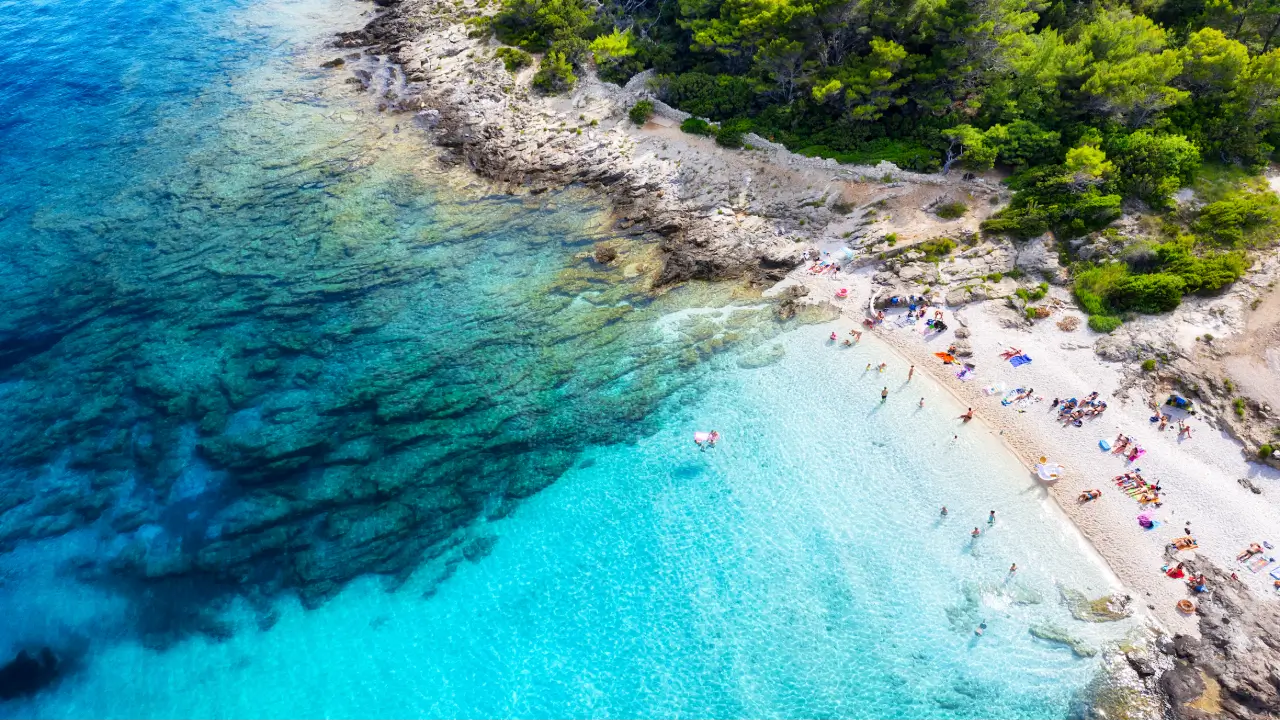
This guide identifies Croatia’s best sandy beaches with crystal clear water, including Nin, Lopar, Lumbarda, Sakarun, and Saplunara, explaining why these shorelines stand out for their pale seabeds, sheltered bays, and fine sand compared to the Adriatic’s more common pebble coastlines. It covers seasonal timing, noting late May, June, and September as ideal for fewer crowds and clear water.
The content also addresses practical logistics such as wind patterns affecting water clarity, choosing a home base near preferred beaches, parking and access considerations, approximate costs for parking and dining, and nearby towns offering dining and sightseeing options. It concludes with tips for planning a smooth beach day, including checking weather, ferry schedules, and parking in advance.
If you want Croatia clear water beaches, start with shorelines where white pebbles, soft sand and a cobalt Adriatic meet, because that is where the sea can look like cut glass by mid-morning along the quieter bays of the coast, and the light bounces off the shallows like silver. Pack reef shoes.
I’m Mark, and after years of standing on headlands, ferry decks and breezy car parks with a notebook in hand, I can tell you the best beaches on the Adriatic coast are often the ones people reach a little later or miss because they look too quiet at first glance, where the sand is finer, the water stays clearer and a family can spend a whole day without fighting crowds, grit or a steep walk back up the hill while still getting that easy swim you came for. In this 2026 guide, I’ll steer you towards croatia beaches with crystal clear water, sandy beaches in Croatia that work for a proper swim, and family-friendly spots where children can splash safely. No guesswork here.
Crystal-clear Adriatic water and rare sandy shores, curated for your 2026 Croatia escape.
Why Croatia’s Adriatic coast stands out for clear water and sandy shores
Croatia’s clearest water is usually found where the seabed is pale, the bays are sheltered and the wind has had less chance to stir up silt. That is why places like Kraljičina plaža in Nin, Rajska plaža in Lopar, Vela Pržina in Lumbarda and Sakarun on Dugi Otok are talked about so much by people who actually spend time here, not just by postcard sellers. If you are hunting sandy beaches in Croatia, these are the names that matter.
The shortlist of Croatia beaches with crystal clear water is small, which is part of the appeal. The Adriatic is not packed with long sandy runs, so the stretches that do have sand feel special rather than routine, and the water often looks clearer because pebbles and rock do not muddy the shore in the same way. On a still morning, Saplunara on Mljet or the Nin lagoon can look almost glassy, with the first line of water turning turquoise before it deepens into blue. Simple enough.
Wind matters too. A calm maestral can keep the sea inviting, while a strong bora or jugo may rough up the surface and bring in a little haze for a day or so. That is normal on this coast. It is also why the best beaches on the Adriatic coast often look their finest early in the day, before boats, swimmers and the afternoon heat wake everything up.
When to plan your trip, and how seasons change beach conditions
If you want space on the sand and water that still feels cool and clean, late May, June and September are the sweet spots. You get long daylight, warmer seas than spring, and far less pressure on parking, ferries and beach access roads than you will see in peak summer.
July and August still deliver, but they come with crowds. Around Makarska, on the approach from the Jadranska magistrala, a short journey can turn into a slow crawl once everyone is heading for the same coves. The trick is simple, go early, leave late, and do not plan a lazy breakfast if you want a prime spot near the water.
Beach conditions shift by week, not just by month. A windy afternoon can change the look of a bay quickly, while the next morning may bring the sea back to its clear, still self. If you are deciding between two places, the more sheltered bay often wins after bad weather, even if the larger beach looked better in photos.
| Period What you can expect Practical note | ||
| April to early May | Quiet beaches, cooler water, long views | Good for walks, less so for long swims |
| Late May to June | Clear water, lighter crowds, easy parking | A strong choice for family trips |
| July to August | Warm sea, busiest beaches, fuller ferries | Arrive before 09:00 if you want calm |
| September | Warm water, softer light, fewer day-trippers | Often the best balance of weather and space |
| October | Milder pace, fewer services open | Check ferry and restaurant hours in advance |
If you are travelling by car, pad your plans by at least half an hour on popular stretches. The difference between a peaceful beach day and a grumpy one can be one bend on the magistrala.
Where to base yourself for the best sandy beaches and quiet coves
Choose your base by the kind of beach day you want. Nin and Zadar work well if you want shallow water, easy access and a mix of town life after the swim. Lopar on Rab is the obvious pick for wide sandy beaches, while Lumbarda on Korčula suits you if you want sand, wine and a slower pace in the evening.
For a quieter feel, Dugi Otok and Mljet are the names to keep in mind. Sakarun draws attention for good reason, but the island still feels relaxed once you move away from the main beach. On Mljet, Saplunara has that calm, tucked-away feel that many people want when they say they want clear water without the beach-club noise.
If you prefer a place with more dining choices, head for towns with a proper mix of konoba culture and simple restoran tables. Zadar gives you that. So do Korčula Town, Šibenik and parts of the Makarska Riviera, where you can spend the morning in the sea and the evening over grilled fish, blitva and a cold drink without needing a taxi back from the middle of nowhere. That is where family-friendly sandy beaches in Croatia start to feel like a proper holiday, not a compromise.
- Nin, best for shallow, family-friendly sand and easy day trips.
- Lopar on Rab, best for long sandy runs and gentle swimming.
- Lumbarda on Korčula, best for a mix of beaches, views and local wine.
- Dugi Otok, best for a quieter island base with striking water clarity.
- Saplunara on Mljet, best for a low-key beach stay with space to breathe.
If you are driving, check the approach from the Jadranska magistrala and the local parking set-up before you commit. A beach that looks simple on a map can involve a narrow lane, a paid lot or a fifteen-minute walk in full sun, and that detail matters when you are carrying towels, children and a cool box.
Where to get local advice, maps and practical help before you go
For up-to-date advice, start with the local tourist board, the ferry operator and the hotel or apartment host. They usually know which beaches are getting crowded, which access roads are closed for works and which bays are awkward after a strong wind. That kind of local knowledge is better than any glossy list.
If you are checking access to a beach house, a plot or a long-stay rental near the coast, you may also hear practical terms such as OIB, katastar and uknjižba. In towns such as Zadar or Šibenik, the Odjel za katastar nekretnina and the land registry office, the gruntovnica, handle the paper trail, while the municipality can confirm whether a lane is public or private. You do not need that for a day at the beach, of course, but if your trip turns into a serious search for a second home, those details come up fast.
Local maps are still worth using, especially around places where the beach is reached by a side road off the magistrala. A sign to a konoba or an OPG often means you are close to a useful access point, and the owner may know where to park without blocking the lane. Ask the same question twice if you are unsure. It is not rude. It is sensible.
As for costs, you may see parking lots charging roughly €3 to €10 a day, and a pair of sunbeds can sit anywhere from about €15 to €30 depending on the beach and the season. On the food side, a simple lunch in a waterfront restoran may land around €20 to €35 per person, while an OPG lunch in the back streets can be gentler on the bill and often better for the mood too.
Final checks, beach-day logistics and easy side trips along the coast
Before you leave, check the wind, the ferry times and the parking plan. A calm sea can turn choppy in a few hours, and a late ferry from the island can ruin a nice lunch if you have not looked at the timetable. That is the sort of small detail that separates an easy beach day from a slow shuffle back to the car in the dark.
- Pack cash and a card, because smaller beach bars and parking machines do not always behave the same way.
- Leave early if you want Kraljičina plaža, Rajska plaža or Bijeca before the crowds.
- Bring shade, water and reef shoes, especially on beaches that switch between sand and pebble within a few metres.
- Watch the forecast after bora or jugo, since water clarity can change quickly.
- Leave room for lunch, because a long swim and a grilled fish plate are a good pair.
For side trips, keep them short and close. Nin pairs neatly with Zadar, where a stroll along Kalelarga works after a swim. Korčula works well with a late-afternoon glass and a walk through the old lanes around the harbour. Šibenik gives you a harbour, old streets and quick access to the Krka area if you want a change from the sea. Makarska is a lively choice if you want a promenade and a strong restaurant scene after the beach, though the August traffic on the coast road can test anyone’s patience.
The best beach day on the Adriatic usually feels unforced. You swim, you eat, you wander a bit, and then you head back before the heat or the crowd turns the mood. Keep it simple, follow the water, and leave yourself a little margin. That is usually where the good part lives.
Conclusion
I’ve found that Croatia’s clearest water and best sandy beaches reward the traveller who plans a little and keeps an eye on the small things, like wind direction, parking, ferry times and whether the bay faces open sea or a sheltered inlet. If you want soft sand, shallow water and an easy day with children, the smartest bets are still the classic names, Nin, Lopar, Lumbarda, Sakarun and Saplunara, each with its own pace and personality.
My advice is simple: go early, stay flexible and leave room for a long lunch in a konoba or a relaxed restoran once the swim is done. That is how the Adriatic works best, with clean water, a quieter stretch of shore and enough time to enjoy the coast without rushing past the good parts.
Questions & Answers
Where should I go for Croatia clear water beaches?
Nin, Lopar, Lumbarda, Sakarun and Saplunara are the names I would start with. They are among the best beaches on the Adriatic coast if you want clear water and some stretch of sand rather than a pebble shelf.
Which sandy beaches in Croatia work best for families?
The shallow bays around Nin and the long sands at Rajska plaža in Lopar are strong family picks. You get gentle entry into the sea, space for children to move about, and usually easier logistics than on the smaller coves.
When is the sea clearest on Croatia’s coast?
It depends on the wind direction and recent weather. After a calm spell, the water can look almost glassy, while a strong bora or jugo can stir things up for a day or two.
Are there many croatia beaches with crystal clear water and real sand?
There are not many, which is exactly why they stand out. Croatia is better known for pebble beaches, so the sandy places with clear water feel rarer and often more memorable.
What should I check before heading to the beach?
Look at parking, ferry times, shade and access roads before you set off. A beach that looks simple on a map can be awkward in practice, especially in July and August when traffic and crowds build fast.