
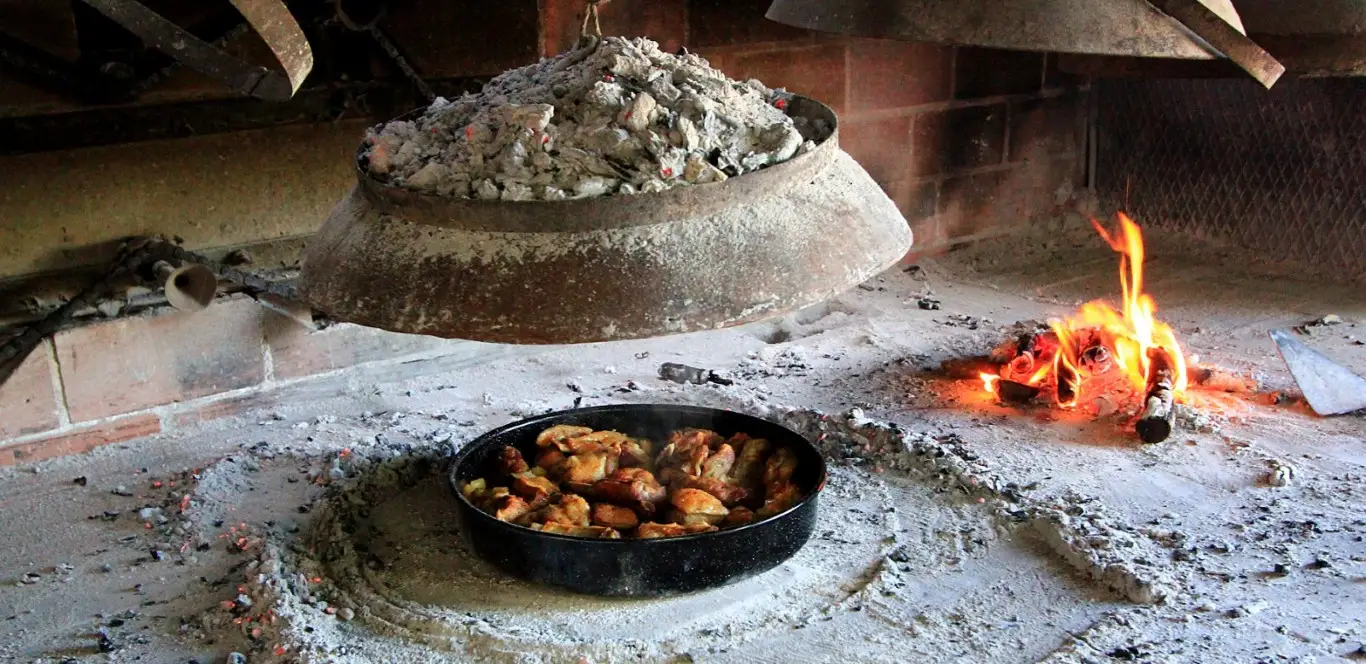
Peka is a traditional Dalmatian dish of meat, octopus, and vegetables slow-cooked under an iron or clay bell covered with embers, producing tender braised results. It typically requires advance ordering, often a full day ahead, and is most authentically found in small family-run konobas rather than tourist-facing restaurants. To experience the traditional Dalmatian peka, it’s essential to seek out these local gems.
The content describes where to find genuine peka across Split, Korčula, Makarska, and Šibenik, along with practical guidance on timing, pricing, and seasonal considerations. It recommends visiting in spring or autumn to avoid summer booking pressures, ordering ahead with group sizes in mind, and includes a FAQ section covering vegetarian options, wine pairings, and cost expectations relative to other Dalmatian dining experiences, particularly if you’re interested in trying the traditional Dalmatian peka.
Peka, the Dish Cooked Under a Bell, and Where to Actually Eat It
Peka is a slow-cooked Dalmatian dish of meat or octopus and vegetables, cooked under a heavy iron or clay bell covered with embers. You need to order it a day ahead in most places. That single fact tells you a lot about how it works.
Ordering it on a whim in July is a mistake I have made myself. My first real peka came in a konoba behind the waterfront in Trogir, after I had asked the owner three times whether it could be ready by eight. He laughed, wrote a name on a napkin, and told me to come back the next evening. It was worth the wait.
The word comes from the Italian “pietra” through the local dialect, and the bell itself is called the peka lid. Cooks set the pot on a bed of hot coals and pile more embers on the top. The heat comes from all sides, which is why the meat braises in its own juices instead of drying out. Lamb, veal, and octopus are the usual choices, with potatoes, carrots, onions, and sometimes chard packed underneath.
Where to Find the Real Thing
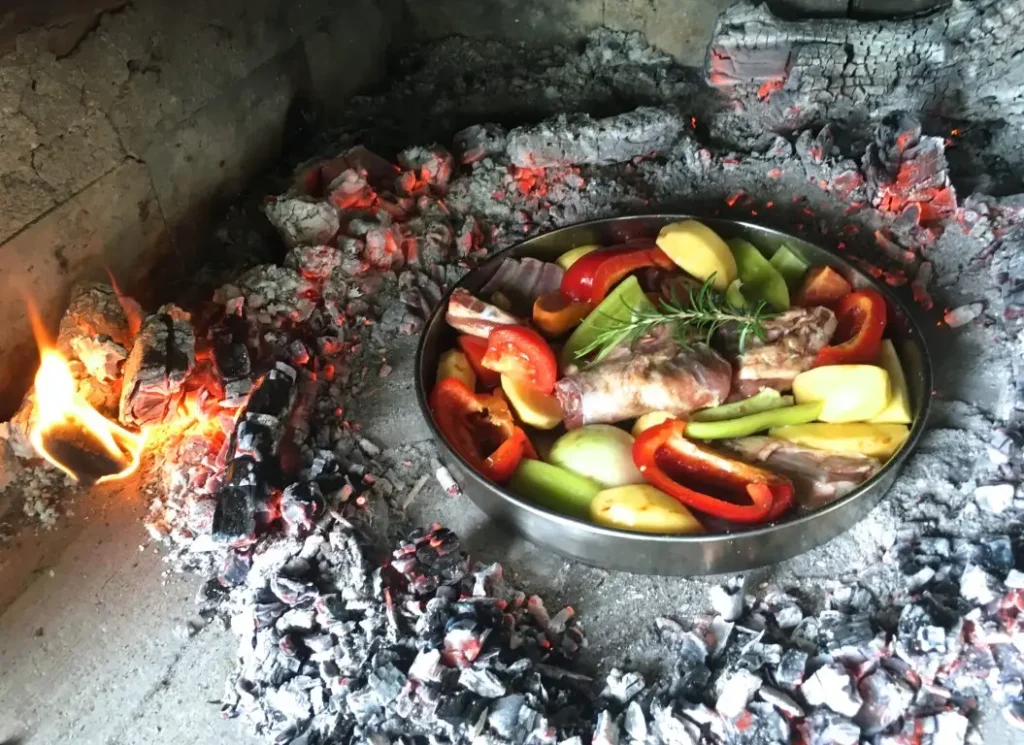
Peka lives mostly in small family-run konobas, the stone-walled taverns that line the back streets of Dalmatian towns. Many of the best ones do not advertise it at all. You learn about them from the waiter, a neighbor, or the sight of a cook clearing a fire pit in the courtyard around four in the afternoon.
The Experience of Traditional Dalmatian Peka
In Split, the older quarters around Radeljevićeva and the streets behind Prokurative hold several places where the owners have cooked this way for decades. I usually bring clients there when they want the authentic version rather than a menu translation. Expect the kitchen to be loud, the portions to be generous, and the bill to land somewhere between 15 and 25 EUR per person for a main with wine, depending on whether you choose octopus or lamb. Prices shift with the season and the cut of meat, so treat those numbers as a guide.
Further south, Korčula and Makarska offer a different feel. On Korčula, the village restaurants in the interior around Blato and Čara tend to cook peka for groups, and the local pršut and cheese often arrive before the bell is lifted. In Makarska, the seafront is full of tourist menus, but walk two or three streets inland toward the market and you will find smaller kitchens serving octopus peka that tastes of the sea and smoke.
Šibenik, slightly off the usual circuit, is a quiet favorite. Its konobas around the Medieval quarter often serve peka only on weekends or when enough diners book ahead, so the simplest approach is to call in the morning. That one phone call has saved more than one lunch for my friends visiting from Zagreb.
Planning Your Visit Without Wasting an Evening
The right time to eat peka is late spring and early autumn, when the coast is calm and the kitchens have room to take orders for the next day. In high summer, popular konobas can book out for a week, especially on Friday and Saturday. I have seen a July crowd turn a relaxed dinner into a stressful one, with couples standing at the door waiting for a table that was never going to free up.
Order before you sit down if you can. Most places ask for at least four hours of notice and often a full day, and for octopus they like to know the number of portions. Group orders of two or more people work best, since a single bell is built for sharing. Ask the cook whether the dish includes potatoes, because some kitchens serve it with bread and salad instead.
Bring cash for smaller konobas, although many now accept cards. Tourist tax, known as boravišna taksa, is usually added to your hotel bill rather than the restaurant bill, so you will not see it on the check. Keep your receipt if you plan to claim anything for business travel.
Frequently Asked Questions
How far ahead do I need to order peka?
For a standard lamb or veal peka, a day ahead is the safe rule. Octopus can sometimes be prepared on shorter notice in quieter months, but in July a full day is what I would budget.
Is peka suitable for vegetarians?
Traditional peka is built around meat or seafood, so it is not vegetarian. Some konobas will prepare a vegetable-only version with potatoes, onions, and peppers if you ask when you book, and that depends entirely on whether the cook is willing to make the effort.
Can I eat peka on a day trip from Split or Zadar?
Yes, though the timing is the challenge. If you want to see the bell lifted, plan a late lunch or an early dinner, and book the dish before you leave your accommodation so the kitchen can prepare it.
What should I drink with peka?
A local dry red such as Plavac Mali from the Pelješac peninsula or a crisp white like Pošip from Korčula pairs well with the richness of the meat and the smokiness of the potatoes. Ask the server what the house wine is, since many konobas pour their own.
Is it expensive compared with other Dalmatian meals?
It sits in the middle range. Expect more than a plate of grilled fish at a waterfront grill but less than a formal fine-dining menu. The price depends on whether you order octopus or lamb, the time of year, and how many people share the bell.