
This guide explains how to travel from Split to Hvar by ferry or catamaran, covering timetables, seasonal demand, and booking advice. It distinguishes between catamaran services for foot passengers arriving in Hvar Town and car ferries landing in Stari Grad, while offering tips on timing, peak-season booking, and port logistics in Split.
The guide also covers finding ticket offices and operators, arrival options on Hvar, and suggestions for side trips such as the Pakleni Islands and inland villages. It closes with practical advice on arriving early, traveling light, and matching the vessel choice to travelers’ luggage and destination needs.
I’m Zoran, and I’ve stood on Split’s ferry quay more than once with a coffee in hand and the salt air in my face.
Take the catamaran. If you want to know how to get to Hvar from Split, this guide walks you through the Split to Hvar ferry, the Split to Hvar catamaran, the Hvar ferry schedule from Split, and the Split Hvar ferry tickets and timetable, so you can pick the right sailing without guessing at the last minute. I’ve seen first-time visitors arrive flustered and leave smiling, which is usually what happens once the timing, port, and ticket details are clear.
From Split’s harbour to Hvar’s sunlit shores, catamaran timings made simple.
When to travel from Split to Hvar, timetables, peak season and booking timing
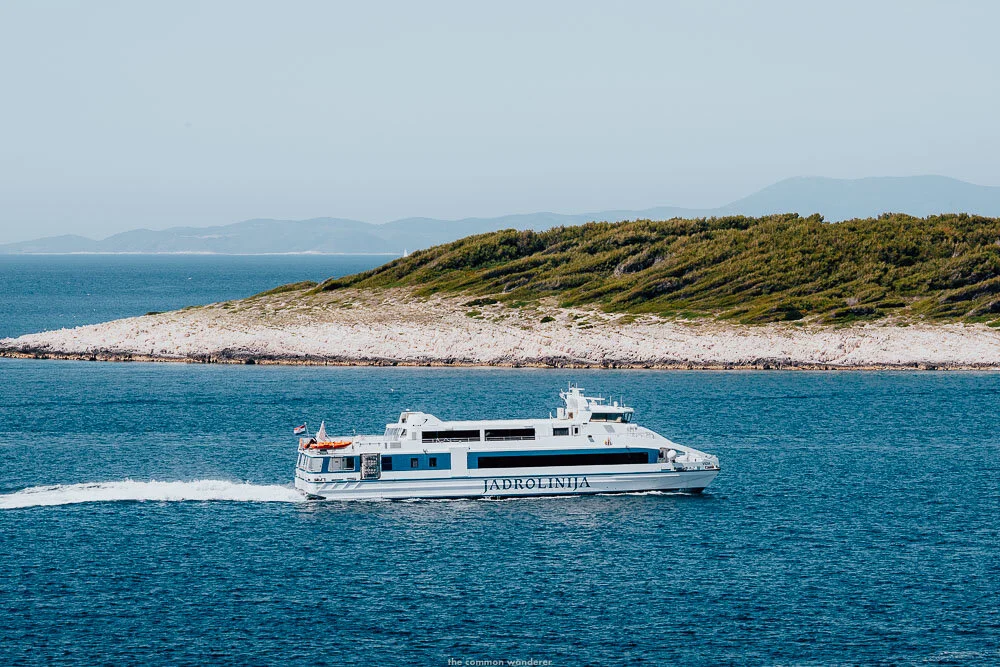
For most first-time visitors, the best time to take the Split to Hvar ferry is the one that leaves you enough room to breathe. Morning sailings work well because the port is calmer, the sea is often steadier, and you do not spend the rest of the day feeling as if you have already missed half of it. If you are aiming for Hvar Town, the catamaran is usually the cleanest option, since it gets you straight to the waterfront without the car-ferry detour through Stari Grad.
Summer changes the game. In July and August, the Hvar ferry schedule from Split gets crowded fast, especially on Fridays, Sundays and public holiday weekends, when everyone seems to have the same idea at once. Seats can go while you are still deciding whether to have another coffee on the Riva. If you already know your dates, buy the ticket in advance rather than gambling on a last-minute place. The difference between a calm departure and a stressful one is often just a day or two of planning.
Shoulder season is easier. In May, June and late September, you still get plenty of sailings, but without the peak-season rush that turns the terminal into a small festival of wheeled luggage. Winter is another story, with fewer departures and more changes, so check the latest timetable on the day you travel. If the sea is rough, some services shift or run differently, and it is better to hear that before you leave your hotel than while standing on the quay with a ticket in hand.
A practical rule helps here: book early when demand is high, book cautiously when the weather looks unsettled, and leave a sensible gap if you are connecting from Split Airport, the bus station or the magistrala. A missed sailing is never romantic. It is just annoying.
Where to book and board your ferry, Split port options and Hvar arrival points
Most passengers head to Split’s main ferry port on Obala kneza Domagoja, beside the bus station and within easy walking distance of the Riva and the old town. It is the right place for foot passengers on the catamaran, and it is usually the point where the whole trip starts to feel real. You will see departure boards, ticket desks and a steady flow of people dragging cases over the pavement, which is your cue to stop wandering and start checking your platform or boarding gate.
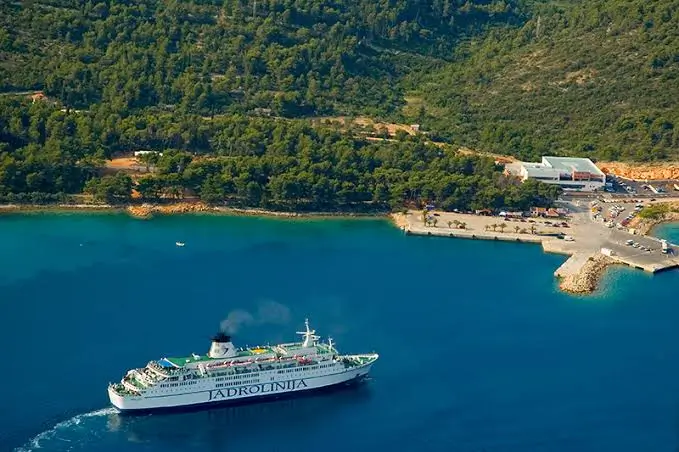
If you are travelling with a car, the plan changes. The car ferry usually runs to Stari Grad, not Hvar Town, so do not arrive expecting to roll straight into the centre of Hvar with the family vehicle. That route is for passengers on foot. Stari Grad is the island’s older port, and once you land there, you continue by road to Hvar Town, Jelsa, Vrboska or wherever you are staying. The drive across the island is part of the trip, with olive groves, stone walls and enough bends to keep you awake without trying too hard.
Booking is easier when you match the vessel to the kind of trip you are actually taking. If you are staying in a hotel near Hvar’s harbour, a catamaran is usually the neatest choice. If you are carrying camping gear, shopping bags, or a week’s worth of luggage and a child who insists on bringing a toy shark, the car ferry may suit you better. Ticket prices vary by operator and season, but a foot-passenger seat often sits in the teens or low twenties in euros, while car fares run higher and depend on vehicle size. Those figures are only a guide, so check the current fare before you pay.
- Foot passengers usually use the Split port catamaran terminal.
- Car travellers usually board for Stari Grad.
- Hvar Town arrivals step out near cafés, taxis and the waterfront promenade.
- Stari Grad arrivals continue by road to other parts of the island.
Where to find answers and local help, ferry operators, ticket offices and travel agents
If you want the least confusing answer, start with the ticket office at the port and then check the operator’s own timetable. Jadrolinija handles the main car ferry link, while catamarans on the route may be run by companies such as Kapetan Luka – Krilo or TP Line, depending on the day and season. That part changes more often than visitors expect. A screenshot from last month can be useless by the time you arrive, so check fresh details rather than relying on memory or a random forum post from somebody who was there in 2023.
Travel agents near the harbour can help when your plans are more complicated than a simple out-and-back ride. If you are fitting the ferry around an OIB appointment, a visit to the Odjel za katastar nekretnina, or paperwork tied to uknjižba, they can point you towards timing that leaves room for the boring but unavoidable parts of the day. That is where local knowledge pays off. A person who works around the port all week knows when the queue starts, when the taxis pile up, and which departures tend to fill first.
Once you reach Hvar, the tourist office and port staff become useful for the next move. They can point you to the last bus to Jelsa, the right taxi rank, or a boat transfer to the Pakleni Islands if you want to turn the day into something a little more interesting than a quick hop from ferry to hotel. If you are looking for lunch, ask a local where the better konoba sits rather than choosing the nearest restoran purely because it faces the sea. Waterfront views are lovely, but so is a meal that tastes like somebody actually cooks there.
A few questions are worth asking before you buy:
- Is this the passenger service or the car ferry?
- Does today’s timetable match the date on my ticket?
- Where should I wait for boarding?
- What happens if the sea picks up or the sailing changes?
Essential booking steps and useful side trips on Hvar for first-time visitors
For a smooth first trip, book in a simple order. Pick the route, check the latest sailing time, buy the ticket, then build the rest of your day around the port rather than trying to squeeze the port into the last five minutes. In summer, leave at least half an hour before departure if you are already in Split town, and more if you are coming from the airport or crossing the city from the wrong side of traffic. The port area is straightforward, but delays have a habit of appearing when you are already running late.
Have your ticket and ID ready before you reach the boarding point. Keep luggage compact if you can, because the walk from the terminal to the catamaran or from the car deck to the road on the island is much easier when you are not wrestling a bag that should probably have gone on a diet. If you are travelling with a bicycle, stroller or extra gear, check the operator’s rules first. A small detail can save a lot of awkward fumbling beside the gangway.
When you land on Hvar, do not treat the island as a place to race through. Hvar Town gives you the postcard version, all polished stone, harbour light and narrow lanes, but Stari Grad, Jelsa and Vrboska show a slower side. If you have time for a short side trip, the Pakleni Islands are a classic choice for a boat outing, while inland villages such as Malo Grablje and Velo Grablje give you a glimpse of the quieter countryside. A walk, a swim and a late lunch in a konoba can tell you more about the island than a day spent ticking off landmarks.
If your wider Croatia trip also includes Korčula, Makarska or Šibenik, Hvar fits neatly into a coastal route, especially if you like moving by sea rather than spending hours on the road. That said, do not overpack the day. One ferry, one good meal, one swim, and maybe a wander through the old streets is often enough for a first visit. The island will still be there next time, and you may leave wanting a second round.
- Book early in peak season.
- Arrive with time to spare.
- Match the vessel to your luggage and destination.
- Leave room for a short side trip on Hvar.
Estimated one-way fares
Comparison, per adult passenger: High season (typically June–September): budget around €10–€20 for a catamaran to Hvar Town. Off-season (typically October–May): allow roughly €8–€15, where services operate. Car ferry to Stari Grad: passenger fares and vehicle charges are priced separately; as a broad estimate, allow about €6–€10 per adult passenger and €30–€50 for a standard car in high season. Off-season, a passenger may cost around €5–€8 and a standard car roughly €25–€40.
These ranges are indicative rather than a published fare table. Prices can vary by year, route, vessel and ticket type, and some operators keep fares similar throughout the year. Vehicle dimensions also affect the car-ferry price. A bicycle, van or camper may be charged at a different rate.
What changes by season?
Summer brings more departures and higher demand, so popular sailings can sell out even when ticket prices remain similar. In the quieter months, fewer connections may run, and some routes operate only on selected days. That can make schedule flexibility more important than finding a lower fare. Always confirm whether your chosen service goes to Hvar Town or Stari Grad; they are different ports and require different onward travel.
Conclusion
I have found the Split to Hvar ferry works best when you treat it like part of the holiday, not a hurdle to clear. Check the latest timetable, choose the right vessel for your bags and plans, and give yourself enough time at Split’s port so the morning stays calm rather than frantic. If you are heading straight to Hvar Town, the catamaran is usually the neatest option. If you are travelling with a car, the route to Stari Grad makes more sense, then you continue across the island at your own pace.
My advice is simple: book early in peak months, travel light if you can, and leave space for a proper first look at Hvar once you arrive. The harbour, the stone streets and the first cold drink by the sea are worth the planning.
Planning a ferry from Split to Hvar? The price depends on your travel date, operator, destination on the island and whether you’re bringing a vehicle. Most fast passenger catamarans arrive in Hvar Town, while car ferries sail to Stari Grad. The figures below are useful planning estimates, not guaranteed fares; check the operator’s current timetable and booking page before you travel.
How to check your total cost
Compare the exact date, destination and passenger or vehicle category on the ferry operator’s official booking system. For a car, include every traveler in the calculation and check whether the vehicle ticket covers its occupants. Book ahead for summer departures, arrive early, and leave room in your itinerary for seasonal timetable changes. This gives you a more dependable Split-to-Hvar budget than relying on a single headline fare.
Questions & Answers
What is the easiest way to get from Split to Hvar?
For most first-time visitors, the Split to Hvar catamaran is the cleanest choice. It is fast, foot-passenger friendly, and usually drops you at Hvar Town, which saves time if you are staying near the waterfront.
When should I check the Hvar ferry schedule from Split?
Check it before you travel and again on the day you leave. Sailings can change with the season, weekend demand, or weather, so a fresh look at the timetable can spare you a bad surprise at the port.
Do I need to book Split Hvar ferry tickets and timetable details in advance?
For summer travel, booking ahead is smart, especially for Friday and Sunday sailings. In quieter months, you may find more room to be flexible, but I would still confirm the times before heading to the terminal.
Does the Split to Hvar ferry take cars to Hvar Town?
It depends on whether you are taking a catamaran or the car ferry. The catamaran is for foot passengers, while car ferries usually go to Stari Grad, with road travel on to Hvar Town after you land.
How early should I arrive at Split port?
Try to be there at least 30 minutes before departure, and longer in peak season. That gives you time to find the correct dock, sort your ticket, and board without rushing through the crowd.