
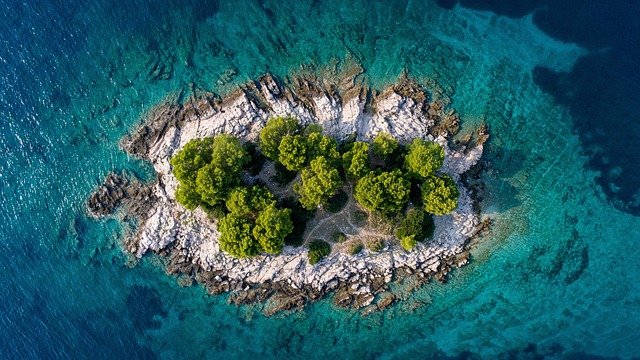
This guide outlines what travelers should pack for a summer vacation adriatic coast trip to Croatia’s Adriatic coast, emphasizing the region’s specific conditions: hot limestone streets, pebble beaches, and ferry travel. It recommends closed-toe sandals with grip, quick-dry swimwear, strong sunscreen, a basic first-aid kit for sea urchins, and layered clothing for cooler evenings.
It also covers practical logistics such as documents (passport or EU ID card), cash versus card payments, the local tourist tax, and power adapters. Additional advice addresses seasonal timing, parking challenges in coastal towns, and differences in packing needs depending on whether travelers arrive by car or ferry. A FAQ section answers common questions about water safety, cash amounts, and essential gear.
Why Packing for the Adriatic Is Different From Packing for Anywhere Else
Pack for the sea, the stone, and the sun. That’s the short version.
For the best experience, consider planning your summer vacation adriatic coast itinerary well in advance to ensure you make the most of your time in this beautiful region.
I have made this trip more times than I can count, usually with a car full of other people’s forgotten sunscreen. Most visitors arrive from Zagreb, Ljubljana, or Vienna with a suitcase built for a city break. Then they spend their first afternoon in Split or Zadar hunting for a pharmacy that stocks the right SPF. Plan better and you skip that.
The coast has its own rhythm. Towns like Hvar, Korčula, and Makarska are built on limestone that holds heat until well after dark. Old town streets are cobbled, steep, and often slick near the sea. Ferries run on schedules that do not care about your luggage weight. Everything in this list comes from years of seeing what people wished they had.
Clothing and Footwear for Stone Streets and Sea Days
Start with footwear, because it matters more here than anywhere I know. Bring a pair of closed-toe sandals with grip. The stone in Dubrovnik’s Stradun and in Trogir gets polished by centuries of feet, and it turns treacherous when wet. Flip-flops are fine for the beach. They are miserable on the Peristil in Split.
Pack light cotton or linen for daytime and one layer for evenings. The sea breeze can drop the temperature by five degrees once the sun goes behind the hills, and konoba terraces are open-air. A thin cardigan or overshirt does the job.
Swimwear deserves two pieces, not one. Pebble beaches like Brela and Bačvice in Split are common, and wet swimwear sitting in a bag for a full day is unpleasant. Bring a quick-dry towel too. Many beaches charge for sunbed rental, and a towel saves you the expense on the rocks.
Health, Documents, and Money
Sunscreen is the item people forget most often, and it costs far more on the islands. Bring at least SPF 50 for the first few days. Summer sun on the water reflects hard, and sunburn can ruin a week within hours.
Bring a basic first-aid kit. Include plasters, antiseptic, and something for sea urchin spines, since you will meet them on rocky coves near Hvar. A small bottle of aloe is also worth the weight.
Carry your passport or ID card, and keep a photocopy separately. EU citizens need only a national ID card for most travel within the bloc, while visitors from outside the EU should check their entry rules before departure. Bring a card that works abroad and some euros in cash, because smaller konobas, bakeries, and some island parking machines still prefer it.
Ask your accommodation about the boravišna taksa, the tourist tax charged per person per night. It is usually a few euros per night in season, though rates vary by town and by the type of accommodation. Pay it directly to your host, and ask for a receipt. That small piece of paper has saved me in a conversation with a rental manager more than once.
The Gear That Actually Earns Its Space
Here is the list I give every friend who asks. Keep it to what you will use, because the ferries are small and the lockers are smaller.
- Reef-safe sunscreen, a hat, and sunglasses with proper UV protection
- Water shoes for rocky entries, plus closed sandals for town walks
- A reusable water bottle, since tap water is safe and free in most towns
- A dry bag for phones and documents on boat trips
- A power adapter with EU two-pin plugs, plus a power bank for long day trips
Leave the heavy hiking boots at home unless you plan a serious climb up Biokovo. Even then, rent locally if you arrive without them.
Packing for the Way You’ll Actually Travel
How you arrive changes what you should bring. If you drive down the magistrala from Rijeka, you can carry more, because you will have a trunk. If you take the ferry from Split to Hvar or from Ploče to Korčula, every bag gets carried by you, up gangways and along quays. I learned that the hard way one July when a client insisted on a rolling case with plastic wheels on a stone-paved walk in Hvar town. Two trips to a bakery later, the wheels were gone.
Driving through the hills also brings the question of parking. In July, spaces near the Riva in Makarska fill by mid-morning. A cheap parking app and some coins for the older meters help more than any clever route.
Consider the season too. A late May trip brings cooler sea temperatures and quieter streets, while August can push the thermometer past 35°C in the interior. September often gives you warm water and fewer crowds, which suits anyone who hates queues for the Dubrovnik city walls.
Frequently Asked Questions
Do I need a power adapter for Croatia?
Yes, if you come from outside the EU. Croatia uses the two-pin European plug, type C and F. Most hotels and apartments have sockets for that, but a multi-port adapter lets you charge several devices at once.
Can I drink tap water along the coast?
Generally, yes. Water from the public supply in towns like Zadar and Šibenik is safe, and it is tested regularly. On some islands the water can taste of minerals, so filtering is a matter of taste rather than safety.
How much cash should I carry?
That depends on your plans. For daily meals and drinks, a few hundred euros covers a week in most places, but if you plan to book private boat trips or rent a villa, pay by card where you can. Some small konobas on remote islands still prefer cash.
Is it worth bringing a lot of beach gear?
Not usually. Most beaches have sunbed rental and simple beach bars, and many accommodations provide towels. Bring your own swimwear, a light towel, and water shoes, then rent the rest.
What if I forget something important?
Pharmacies, called ljekarna, are easy to find in every town, and they stock sunscreen, plasters, and basic medicines. Clothing shops and supermarkets like Konzum and Lidl cover most gaps. Expect higher prices on the islands, so buy what you can on the mainland before the ferry.