
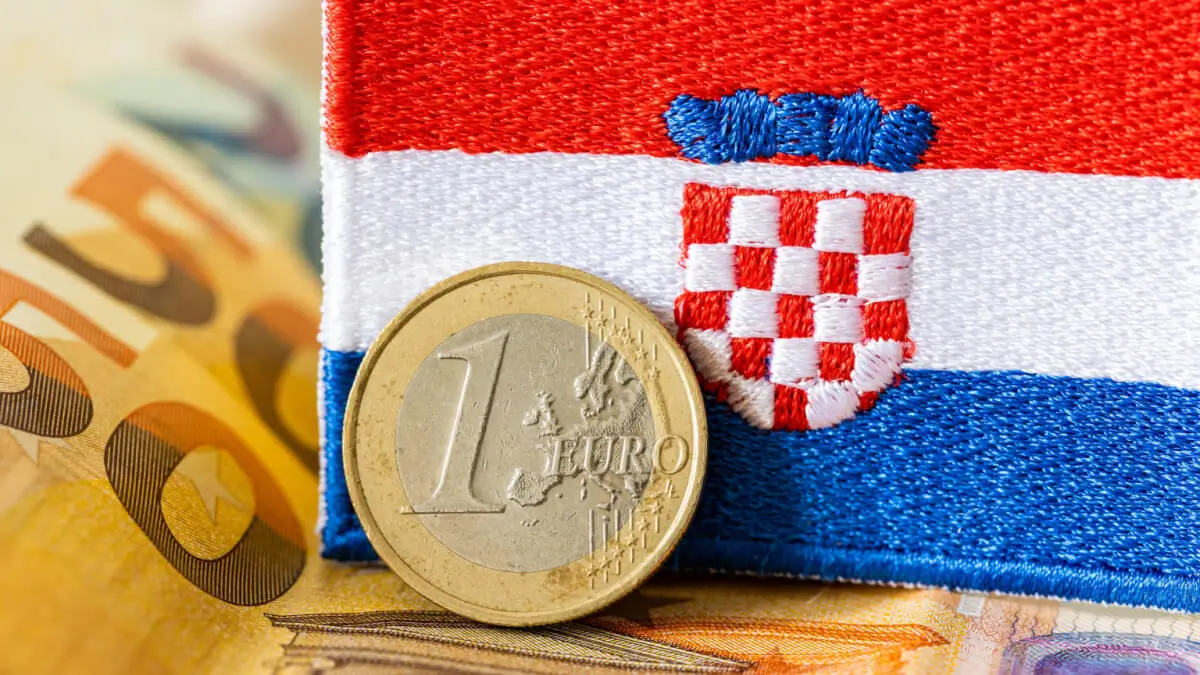
Croatia has used the euro since January 2023, simplifying payments along the coast, though travelers should expect seasonal price increases, inconsistent card acceptance in small shops, and potential ATM fees. Based on over a decade of guiding experience, the author outlines common money-wasting habits involving cash handling, dynamic currency conversion traps, and ATM fee differences between bank-owned and independent machines. Understanding the croatia currency will help you navigate these financial challenges.
The content details typical daily costs for accommodation, food, transport, tourist taxes, and beach access across destinations like Split, Hvar, and Dubrovnik, noting seasonal price variations. It provides budgeting guidance for a mid-range week-long trip and addresses frequently asked questions about card usage, currency exchange, tipping norms, and cost differences between mainland and island locations.
Paying in Euros on the Croatian Coast: What Actually Costs What
Croatia uses the euro now, and that alone simplifies a lot. Since January 2023 the kuna is gone, so you pay in euros everywhere from Umag down to Dubrovnik. Knowing the croatia currency is essential for managing expenses during your trip.
Still, budgeting here has its quirks. Prices jump in July, card machines behave strangely in small konobas, and some ATMs will quietly cost you more than the bill itself. I have spent more than a decade guiding clients along this coast, and most of the money people lose comes from three or four predictable habits.
Cash, cards, and the small-shop problem
Cards work in almost every hotel, restaurant, and supermarket in Split, Zadar, or Hvar Town. Ask for cash only if you visit a family-run place on Korčula’s back roads or a tiny beach kiosk near Kornati. I always carry around 100 to 150 euros in small notes, because a fisherman selling fresh sardines rarely wants a card.
Coins matter more than people expect. Croatia uses 1, 2, 5, 10, 20, and 50 cent coins, plus 1 and 2 euro coins. Bus drivers in Split accept coins for a single ticket, but many shopkeepers in Makarska simply round up when you hand over exact change, which saves everyone hassle.
ATM traps you should sidestep
Dynamic currency conversion is the sneakiest trap on the coast. Some ATMs near the Riva in Split or the bus station in Dubrovnik ask whether you want to pay in your home currency. Always decline. Choose euros, and let your home bank handle the exchange rate, which is nearly always better.
Bank-owned ATMs, such as those from Zagrebačka banka or Erste, usually charge less than independent machines in tourist zones. Independent units stand out with their bright colors and often add a fee of several euros per withdrawal. Withdrawing 200 euros at once instead of four separate 50 euro sums cuts that fee dramatically. My rule: pull out a larger amount once, then avoid machines near the Old Town gates entirely.
Keep your PIN private and cover the keypad. Pickpockets in July crowds around the Diocletian’s Palace entrance know exactly where tourists stand.
Daily costs in a typical summer week
Figures vary a lot by season, location, and taste, so treat these as realistic ranges rather than fixed prices. In peak July and August, a basic double room in a private apartment in Split or Zadar commonly runs 90 to 180 euros per night. Outside peak season, that can drop by a third or more. Accommodation is usually the biggest single expense.
Eating well does not have to drain you. A seafood lunch at a konoba in a village above Trogir might cost 15 to 25 euros per person without wine. Dinner at a waterfront restaurant in Hvar Town often doubles that. Buying bread, cheese, prosciutto, and fruit from a supermarket like Konzum or Tommy keeps lunches cheap while you explore.
Transport adds up in a different way. A single bus ticket in Split costs about 2 euros if bought from the driver, slightly less when purchased in advance at a kiosk. Ferries to islands like Brač or Vis vary widely by route and season, so check the operator, usually Jadrolinija, before you commit. Car rental in summer can easily reach 50 to 80 euros per day for a small car, and parking in Dubrovnik’s historic center is expensive and scarce.
The tourist tax and other small extras
Your accommodation will probably charge a boravišna taksa, the local tourist tax. It is calculated per person per night and depends on the municipality and the category of your accommodation. Amounts are modest, often well under 2 euros per person per night, but they are rarely included in the advertised rate. Ask your host to show the figure on the booking confirmation so nothing surprises you at checkout.
Beach access is another budget line that catches people. Many beaches around Makarska and Brela have paid sunbed concessions, and prices for two loungers and an umbrella in summer typically sit between 15 and 30 euros per day. The pebble beaches farther along the Pelješac side are free and just as lovely.
Planning a realistic budget
For a couple traveling for a week in late May or June, a mid-range budget of around 120 to 180 euros per day covers a comfortable apartment, meals out, a few paid activities, and transport. Travelers who self-cater and rely on buses can stretch that. July and August push costs noticeably higher, so I usually advise clients to book accommodation early and keep a 15 percent buffer.
Watch the difference between spending in a tourist bubble and spending like a local. A coffee at a harbor café in Rovinj can cost 3 euros, while the same espresso at a neighborhood bar a few streets back often costs under 2 euros. Those small choices add up over two weeks.
Frequently Asked Questions
Can I use my credit card everywhere on the Croatian coast?
Mostly yes, in hotels, restaurants, and larger shops. Small konobas on islands, some beach kiosks, and rural markets still prefer cash, so it’s sensible to carry some euros at all times.
Is it worth changing money before I arrive?
Usually not. Exchange offices near the Split ferry terminal and in Dubrovnik’s Old Town often have poor rates. Withdrawing euros from a bank ATM or using a card with low foreign transaction fees is generally the better route.
How much should I tip?
Rounding up the bill or leaving about 5 to 10 percent in restaurants is the norm when service is good. Tipping is never obligatory, and taxi drivers in Zagreb or Split typically appreciate rounding to the nearest euro.
Do prices differ between the mainland and the islands?
They do, and the gap depends on the island and the season. Hvar and Korčula tend to cost more for food and lodging than inland villages near Imotski, while ferry fares add a separate cost if you island-hop.
What’s the cheapest way to get around without a car?
Combining intercity buses from the Split bus station with local lines and occasional Jadrolinija ferries works well for most travelers. If you stay in one base town and take day trips, your costs stay predictable, and you avoid expensive parking entirely.