
Cres, a Croatian Adriatic island reached by car ferry from Brestova or Valbiska, offers a quieter alternative to Krk. It features the towns of Cres, Osor, and Beli, a sparse year-round population, limited bus service, and terrain suited to car or scooter travel. The island is notable for its griffon vulture colony, with conservation efforts centered near Beli.
The guide also covers rocky and pebble beaches such as Sveti Ivan and Koludarc, local konoba dining featuring grilled fish and regional wine, and practical accommodation and travel advice. It addresses seasonal crowding, fuel and shopping limitations, and includes a FAQ section on transportation, timing for vulture viewing, family suitability, and ferry booking.
Cres, a Croatian Adriatic island reached by car ferry from Brestova or Valbiska, offers a quieter alternative to Krk. It features the towns of Cres, Osor, and Beli, a sparse year-round population, limited bus service, and terrain suited to car or scooter travel. The island is notable for its griffon vulture colony, with conservation efforts centered near Beli.
This guide highlights the beauty of Cres Island, including rocky and pebble beaches such as Sveti Ivan and Koludarc, local konoba dining featuring grilled fish and regional wine, and practical accommodation and travel advice.
The guide also covers rocky and pebble beaches such as Sveti Ivan and Koludarc, local konoba dining featuring grilled fish and regional wine, and practical accommodation and travel advice. It addresses seasonal crowding, fuel and shopping limitations, and includes a FAQ section on transportation, timing for vulture viewing, family suitability, and ferry booking.
Getting to Cres and Finding Your Way Around
Cres is the quieter sister of Krk, and most visitors arrive by car ferry from Brestova on the Istrian coast or from Valbiska on Krk. The crossing from Brestova to Porozina takes about 20 minutes, and in July you should expect a queue of an hour or more if you turn up without a booking. I learned that the hard way on a July afternoon when I waited on the Porozina side behind a line of campervans from Graz.
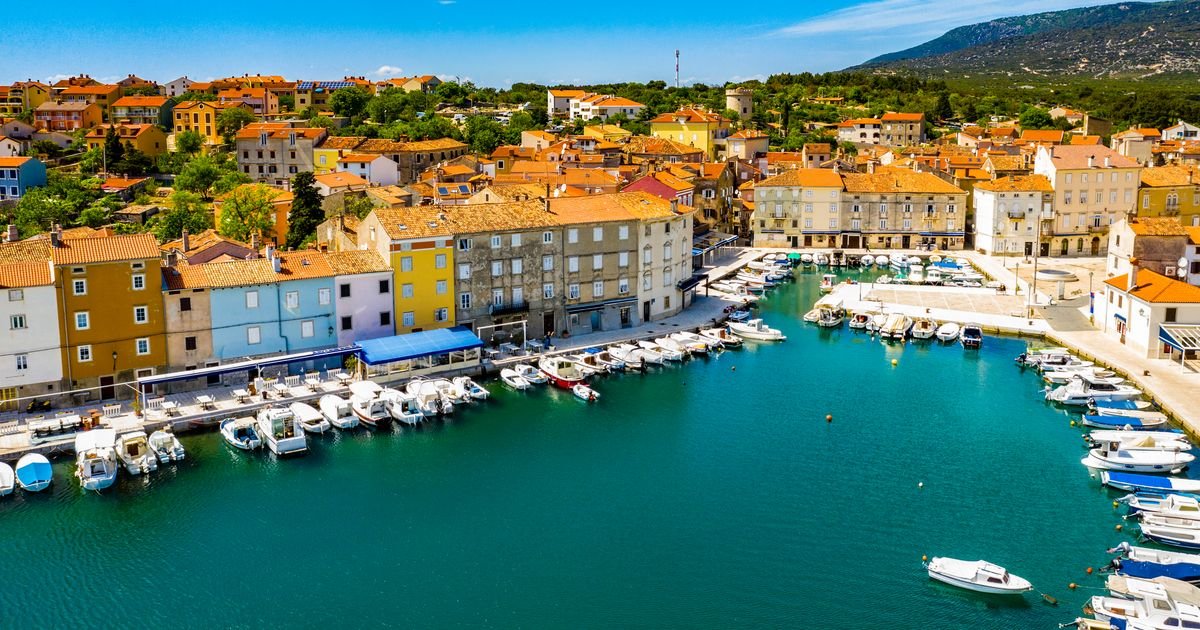
The island runs roughly north to south and is shaped like a long, narrow bone. The main town, Cres, sits on the western shore with its harbour, its old walls and its Venetian-era streets. Osor, at the northern narrows, is smaller, older and far more relaxed. Beli, a stone village high above the sea in the north, looks like something from another century.
Cres has around 3,000 year-round residents spread across villages that are often only a few kilometres apart. Public buses connect the main towns, but they run to a thin timetable outside summer. Renting a car or a small scooter gives you the freedom the island was made for.
Griffon Vultures and the Hills Above the Sea
Cres is one of the best places in Croatia to see griffon vultures. The colony lives on the cliffs of the island’s interior, and the birds ride the thermals above the limestone ridges in the early morning and late afternoon. You will see them most easily around Beli and along the road toward Lubenice.
The Caput Insulae Centre, near Beli, runs a conservation programme and a small visitor point where staff explain the birds’ feeding habits and the long work of protecting them. Vultures here survived by scavenging dead livestock for generations. Once that practice ended, their numbers fell, and the programme now supplies carcasses in controlled feeding sites. Ask at the centre whether a feeding is scheduled during your visit, since the timing shifts with the season.
Bring binoculars if you have them. Early spring and autumn offer the calmest air and the clearest views, while midsummer heat makes the thermals strong but the hike uncomfortable. Carry water, because the shade on those ridges is thin, and wear shoes with grip, since the limestone is sharp and loose in places.
Beaches, Coves and Where to Swim
Cres does not have the sandy resort beaches found further south. Most of its coast is pebble, rock and concrete slabs, and the water drops off quickly. That is precisely why the quiet coves appeal to people who want space. You will find some of the clearest water in the Kvarner Gulf along the western coast.
Sveti Ivan, a small bay south of Cres town, is a popular spot with a simple stony shore and a few tables under the pines. Koludarc, on the opposite side near the village of Valun, is a favourite for snorkelling because of the rocks and fish close to shore. Further south, the small inlets near Martinšćica are quieter and better for a picnic than for a full day of sunbathing.
Wear water shoes. The pebbles are fine for lounging but hard on bare feet, and the sea urchins near the rocks deserve respect. Arrive before ten in July and August if you want a parking space near the popular coves, because the tiny lots fill fast and the verges become impassable.
A beach with a dramatic entrance
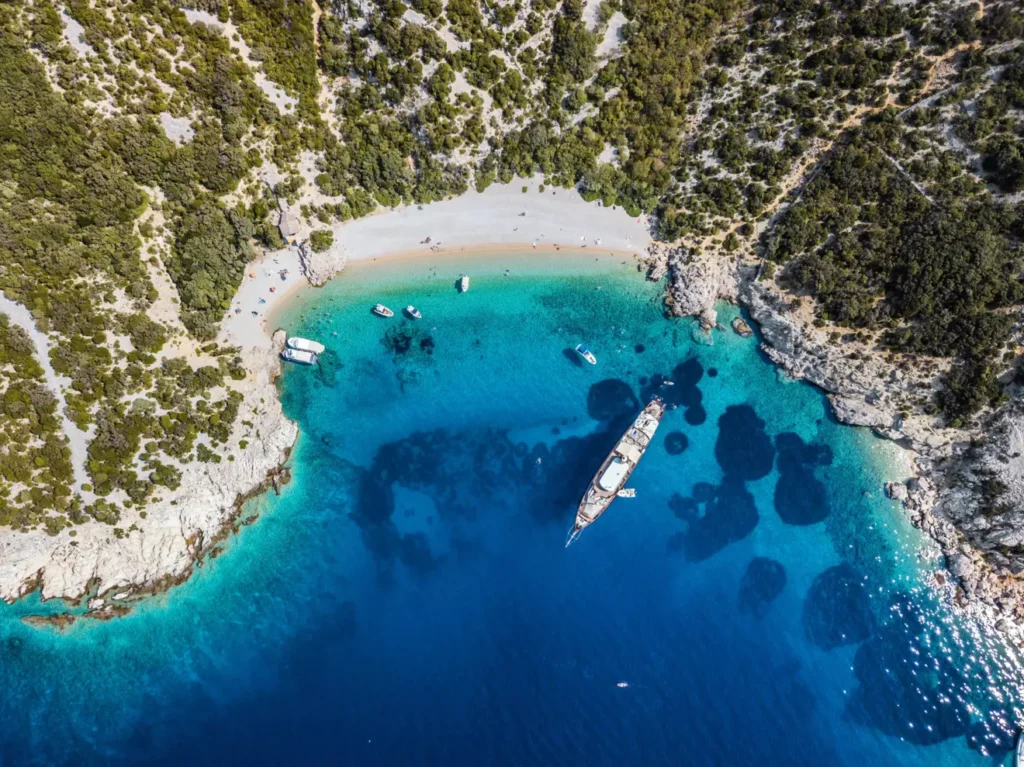
Lubenice Beach, on the island of Cres in Croatia, is the sort of place that makes you earn your swim. The small cove sits beneath the hilltop village of Lubenice, where stone houses perch above the Adriatic like they’ve booked the best seats in the theatre. From the village, a steep, rocky trail descends toward the water. It’s scenic, memorable, and a polite reminder that flip-flops are not mountaineering equipment.
The effort is part of the appeal. As you make your way down, the views open onto cliffs, deep-blue sea, and a secluded shoreline that feels delightfully removed from the usual beach bustle. Bring sturdy shoes, water, and enough optimism for the climb back up. The return journey is less “casual stroll” and more “I have become very familiar with this hillside.”
Clear water, uncomplicated pleasures
At the bottom, the reward is a peaceful crescent of pale pebbles and remarkably clear water. The shoreline is often called Sveti Ivan Beach, after the nearby cove, and it’s ideal for swimming, snorkeling, or simply floating while reconsidering every life choice that led you to pack a heavy beach bag. The sea gets deep relatively quickly in places, so take care, especially with children and less confident swimmers.
Facilities are limited, which is another way of saying nature has not installed a snack bar exactly where you need one. Pack food, drinks, sun protection, and anything else you’ll want for several hours. Shade is scarce, so a hat is less an accessory than a clever little survival strategy.
Make the journey part of the day
Lubenice itself is worth exploring before or after your beach visit. Wander its quiet lanes, admire the old stone architecture, and enjoy panoramic views across the coast. Arriving early can help you avoid the hottest part of the descent and find a calmer spot by the water. Check local conditions before setting out, and leave time for the uphill return.
Lubenice Beach isn’t the easiest beach in Croatia to reach—and that’s precisely its charm. Come prepared, take your time, and you’ll find a wonderfully wild Adriatic escape where the scenery does all the talking.
Eating, Staying and Getting Around Practically
Konoba culture is alive on Cres. Family-run taverns serve grilled fish, octopus under the peka, and lamb cooked with local herbs, usually with a bottle of house wine from the island’s Žlahtina or Cres Malvasija. Book ahead for dinner in July and August, particularly in Cres town and Lubenice, where a handful of terraces serve the same visitors each night.
Accommodation ranges from camp sites near Martinšćica to apartments in Cres town and small hotels in Osor. Apartments in historic buildings tend to be cooler but have stairs and little parking. Check the boravišna taksa on your invoice, which is charged per person per night and varies by category and season.
Shops are open daily in summer but close early in the off-season, and some villages have only one small grocery. Fill the tank before heading north, since fuel stations are scarce away from Cres town. Phone signal is good along the main road and patchy in the interior hills.
Frequently Asked Questions
Do I need a car to explore Cres?
For the best beaches and the vulture hills, yes. Buses cover the main towns, but reaching a secluded cove by public transport means long waits and sometimes no return bus at all. If you travel in June, a scooter is a cheaper and more flexible alternative.
When is the best time to see the griffon vultures?
Morning and late afternoon in spring and autumn are the best windows. The birds soar when the air warms, so a clear day in April, May, September or early October usually gives the strongest views.
Is Cres suitable for families with small children?
It depends on the beach you choose. Sveti Ivan has gentle access and shallow water near the shore, while the rocky coves around Koludarc suit older children who can handle slippery entries and sea urchins.
How early should I book a ferry?
In peak summer, book a ferry crossing a few days ahead if you are travelling with a car. Arriving at Brestova or Valbiska in the early morning avoids the worst queues.
Can I swim from the rocks around Cres town?
Yes, the harbour area has concrete platforms and ladders that locals use every day. The water is deep and clear, so wear water shoes and watch for boat traffic in the harbour.