
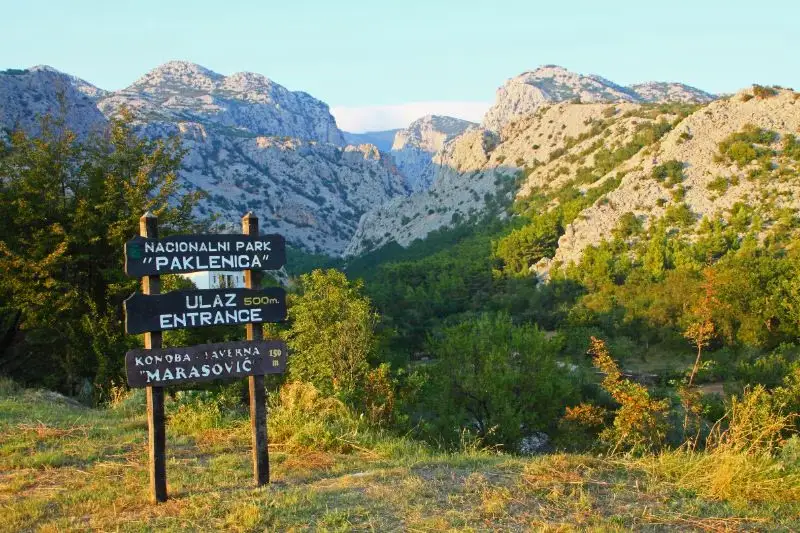
Paklenica National Park, roughly 45 minutes from Zadar, offers two main valleys, Velika and Mala Paklenica, each with separate entrance fees. Hiking options range from an easy, shaded riverside walk suitable for families to the steeper Anića Kuk trail and the longer route to the Manita Peć cave. Mala Paklenica is quieter and favored for early morning walks.
The gorge is also a significant Croatian climbing destination, featuring traditional multi-pitch limestone routes, with local guides available in Starigrad and Seline. Seasonal access restrictions may apply during bird breeding periods. Practical advice covers timing visits to avoid summer heat, nearby accommodation and dining, safety precautions, and guidance on transport, duration, suitability for children, and guide requirements for climbers.
Getting to Paklenica from Zadar, and What to Expect at the Gate
Paklenica is about 45 minutes by car from Zadar, and you reach it by taking the Jadranska magistrala north-east and then turning inland toward Starigrad. Most people I drive up with in spring are surprised by how quickly the landscape changes.
Last April I did a recce trip with a photographer from Zagreb who had never seen the park. We left Zadar at eight, stopped for coffee in Posedarje, and were at the Starigrad entrance before the first tour buses arrived. That timing matters.
There are two main valleys, Velika Paklenica and Mala Paklenica, and each has its own entrance fee booth. The park charges a daily entry fee that is modest, and you pay it at the booth, usually in cash or by card. Staff at the Velika Paklenica visitor centre can give you a printed trail map, which is worth taking even if you carry a phone with offline maps. Signal drops out in the gorge.
Hiking Trails: From the Easy Walk to the Demanding Climb
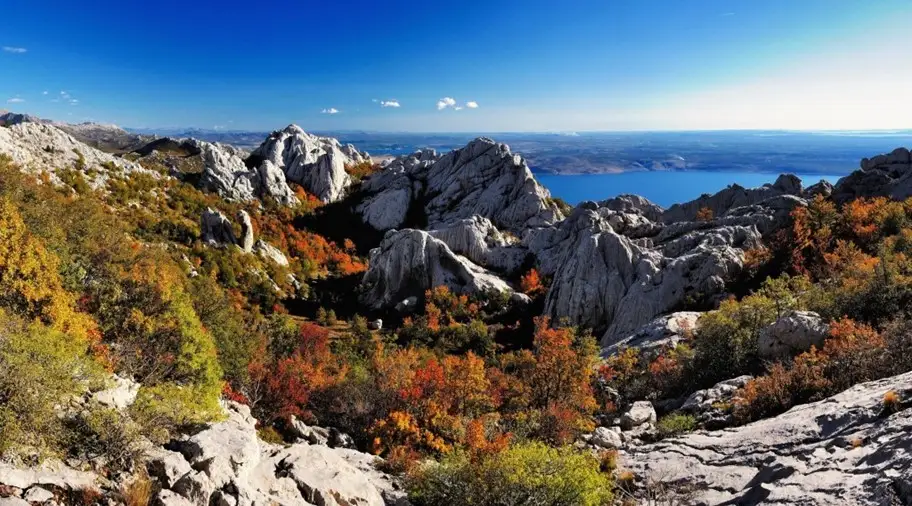
The hiking here splits into a few clear categories. The valley floor walk along the river is flat and shaded, and it suits families with small children. The stream is cold even in July, and in summer locals and visitors alike wade in the pools near the start of the trail.
Then there is the Anića Kuk trail. It climbs steeply from the valley to a viewpoint that looks straight down into the gorge, and the final section involves a short cable-aided stretch. Plan around four to five hours return from the lower car park, and carry at least two litres of water per person because there is almost no shade on the upper part.
For a longer day, the route toward Manita Peć, the cave, is a strong option. The trail is well marked and the ascent is steady rather than brutal. I usually tell visitors that the cave itself is less dramatic than the walk, so go for the landscape.
Mala Paklenica is quieter. The trails there are narrower, and in summer the absence of crowds makes it my favourite place to walk early in the morning. Hikers who want solitude should start before nine.
Rock Climbing in the Paklenica Gorge
Paklenica is one of the most important climbing areas in Croatia, and the cliffs of the gorge have drawn climbers for decades. The limestone walls rise several hundred metres, and the routes range from short sport climbs to long multi-pitch ascents.
Climbers should understand that much of the rock is traditional, meaning routes are often protected with fewer bolts than modern sport areas. Bring a full rack, know how to place gear, and respect the fact that the grades in older guidebooks may feel harder than their numbers suggest. Several local guides operate from Starigrad and Seline, and a day with one is a sensible first visit for anyone unfamiliar with the rock.
Access to some climbing sectors is restricted during the bird breeding season, so check the notices at the visitor centre before you plan a multi-day objective. Rules can change, and the rangers are the people to ask.
Practical Tips for Visiting Paklenica
July is hot, and the gorge can feel like an oven by midday. My advice is simple: walk before eleven, eat lunch in the shade, and save the more exposed climbs for April, May, September or early October. Those four months give mild temperatures and far fewer people on the trails.
Accommodation is easy to find in Starigrad and Seline, where family-run guesthouses and small hotels cluster near the main road. Prices rise sharply in high summer, so book early if you want a room with a view of the mountains. Many restaurants in Starigrad serve grilled fish and lamb under vine-covered terraces, and a konoba meal after a long hike is one of the best rewards the area offers.
Bring proper footwear, since the limestone is sharp and slippery when dry. Leave no litter, and stay on marked paths, because wildlife and fragile vegetation depend on that discipline. A small first-aid kit is also a good idea, as the nearest pharmacy is in Starigrad and the closest hospital is in Zadar.
Frequently Asked Questions
How long should I plan for a visit?
A single day covers the main valley walk and one of the higher trails. If you want to climb or explore both valleys, two or three days makes the visit far more relaxed.
Is Paklenica suitable for children?
Yes, but the answer depends on the child’s age and stamina. The river walk in Velika Paklenica works well for young children, while the Anića Kuk ascent is better suited to older kids who handle steep ground confidently.
Do I need a guide to climb?
Experienced climbers with their own gear and recent multi-pitch experience can go without one. Beginners should book a local guide, who will know the routes and the current access conditions.
Can I reach the park by public transport?
Buses run from Zadar toward Starigrad during the main season, but the schedule is limited and thins out in winter. A rental car gives you far more freedom to start early and leave when you choose.
What is the best season for hiking?
Late spring and early autumn are ideal. Winter brings cooler, quieter trails, though some paths can be muddy after rain and facilities may be reduced.
Finding the Best Hiking in Croatia
Croatia offers a remarkable range of hikes, from shaded forest trails to dramatic mountain routes overlooking the Adriatic. The best choice depends on your experience, the season, and whether you prefer a short scenic walk or a demanding climb. Spring and autumn are often comfortable times to hike, while summer heat makes early starts, plenty of water, and sun protection especially important.
For a first visit, consider trails in national parks and established nature reserves. Marked paths and visitor information can make planning easier, but conditions still vary. Check current weather and trail notices before setting out, and carry a map, suitable footwear, and enough water.
Paklenica National Park: A Standout for Mountain Hikers
Paklenica National Park, in the southern Velebit range near the coast, is one of Croatia’s most rewarding hiking destinations. Its limestone peaks, wooded slopes, and deep canyons create a striking contrast with nearby seaside towns. Velika Paklenica Canyon is a popular starting point, with trails leading through rugged scenery toward mountain huts and higher elevations.
Some routes are relatively accessible, while longer ascents demand good fitness, navigation skills, and preparation. Don’t assume that a trail is easy simply because it begins in a popular canyon: elevation gain and changing weather can make mountain walks strenuous. Follow marked routes and respect park guidance.
Other Trails Worth Considering
For coastal views, the paths on Mljet combine forest, shoreline, and tranquil lake scenery. In the north, Risnjak National Park offers cooler woodland hikes and a different, more alpine character. Experienced walkers may also explore routes on the Velebit range, where panoramic views reward careful planning.
Whatever destination you choose, match the hike to your abilities and allow more time than the distance alone suggests. Croatia’s trails are at their best when explored patiently: take breaks, protect the landscape, and turn back if conditions become unsafe. With thoughtful preparation, hikers can experience the country’s mountains and coastline from some truly memorable viewpoints.