
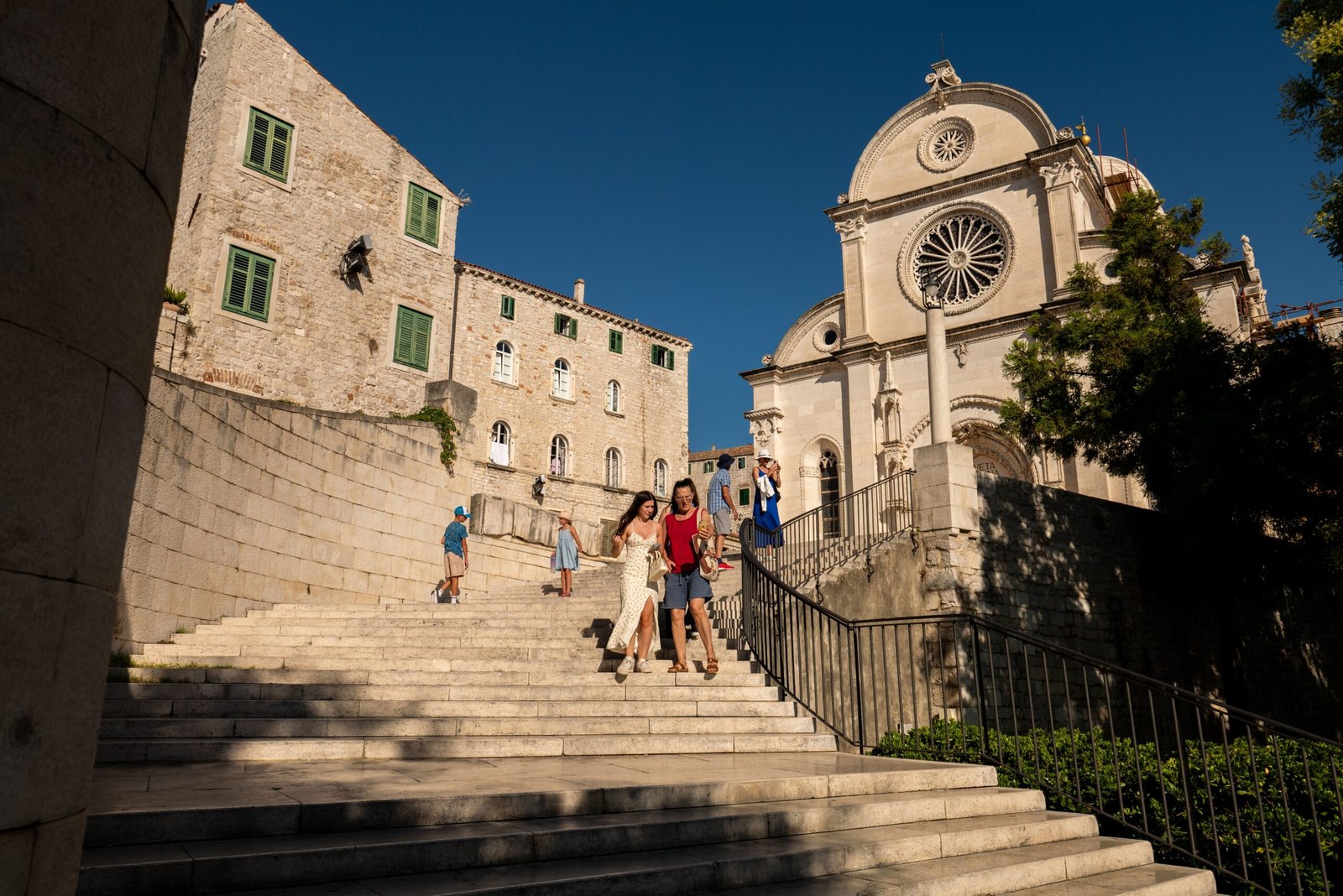
Šibenik is a Croatian coastal city known for its medieval old town, UNESCO-listed St. James Cathedral, and multiple fortresses offering panoramic views, including St. Michael’s and St. John’s. The guide describes key landmarks, practical visitor information such as entry costs and best travel times, and nearby natural attractions like Krka National Park and the Šibenik archipelago.
The content also covers local dining, including seafood specialties and Dalmatian Babić wine, along with transportation options for reaching the city and answers to common visitor questions, such as recommended trip length and comparisons to Split and Dubrovnik.
Šibenik at a Glance: What Makes It Worth Your Time
Šibenik is not a city that needs to compete for attention. It simply exists, confidently perched above the Krka River estuary, with its medieval stone streets, UNESCO-listed cathedral, and a fortress skyline that stops most visitors mid-step. Unlike its more commercialized neighbors, Šibenik feels genuinely lived-in — locals still buy fish at the morning market on the waterfront, kids play football on squares older than some European countries, and the coffee culture runs deep.
Whether you’re staying for a weekend or using it as a base for the entire Dalmatian coast, there’s more here than the average visitor expects. Here’s how to actually experience it.
The Essential Sights: Šibenik’s Must-See Landmarks
St. James Cathedral (Katedrala Sv. Jakova)
The crown jewel. Built entirely from local limestone and marble between 1431 and 1535, the Cathedral of St. James is a UNESCO World Heritage Site and one of the most remarkable Renaissance buildings in Europe. No brick. No mortar. The interlocking stone technique used by architect Juraj Dalmatinac is still studied by architects today.
Walk around the exterior apse before heading inside — the 71 sculpted stone heads lining the outside walls are believed to be portraits of local citizens who refused to fund the construction. The interior is calm, luminous, and architecturally precise. Entry costs around 60 HRK (approximately €8) and is absolutely worth it.
Fortress St. Michael (Tvrđava Sv. Mihovila) and St. John’s Fortress
Šibenik has four fortresses. Two stand out for visitors.
- Tvrđava Sv. Mihovila (St. Michael’s): Highest point in the old town. The views over the channel and islands are exceptional. During summer, open-air concerts and cultural events are staged here regularly.
- Tvrđava Sv. Ivana (St. John’s): Located above the city, connected via a pleasant walk through the old fortification walls. Less crowded, equally rewarding. The panoramic views toward the Šibenik archipelago are among the best on the coast.
- Barone Fortress: Features an innovative multimedia experience recreating a 17th-century Ottoman siege. A good option with kids or history enthusiasts.
A combined fortress ticket is available and significantly cheaper than buying separate entries. Check at the tourist board office near the waterfront for current pricing.
The Old Town Itself
Forget structured itineraries here. The old town rewards wandering. Narrow passages, sudden staircases, stone archways, and unexpected squares emerge without warning. Trg Republike Hrvatske (the main square in front of the cathedral) is the social and architectural centerpiece. The morning fish market along the Riva waterfront runs daily, and it’s one of the most authentic local scenes on the entire Dalmatian coast.
Day Trips and Nature: Beyond the City Walls
Krka National Park
Krka is Šibenik’s most powerful natural asset. The national park entrance at Skradinski Buk is roughly 15 kilometers from the city center, making it one of the easiest major park visits anywhere in Croatia. The iconic wooden walkways around the waterfalls draw hundreds of thousands of visitors annually — arrive before 9am in peak season to avoid the worst of the crowds.
Swimming inside the park was banned for conservation reasons, so plan accordingly. The park also includes the Visovac island monastery and the upper Roski Slap waterfall, both accessible by boat tours from within the park.
Šibenik Archipelago and Kornati Day Trips
The Šibenik archipelago includes over 240 islands, islets, and reefs. Boat excursions depart daily from the Šibenik harbor toward Kornati National Park, Žirje, Prvić, and smaller uninhabited islands. Many local operators run full-day trips with lunch, snorkeling stops, and wine included.
Prvić Luka and Prvić Šepurine are two small, quiet islands just 20 minutes by ferry from Šibenik — perfect for a half-day escape without the Kornati price tag.
Practical Snapshot: Key Information for Visitors
| Best time to visit | May–June and September–October for fewer crowds and pleasant temperatures |
| Cathedral entry | ~€8 per person; combined fortress ticket available |
| Krka National Park entry | €10–€30 depending on season; lower in shoulder months |
| Getting around | Old town is walkable; rent a scooter or car for fortresses and day trips |
| Tourist tax (boravišna pristojba) | Charged per night at accommodation; varies by category |
Eating, Drinking, and Local Culture
Šibenik’s restaurant scene has matured significantly over the past decade. The old town now has genuine quality across several price points — from konoba-style taverns serving grilled fish caught the same morning to more contemporary Dalmatian cuisine. Look for dishes featuring locally caught brancin (sea bass), hobotnica (octopus salad), and fresh shellfish from the Krka estuary.
Pelegrini, directly adjacent to the cathedral, is the city’s most lauded fine-dining experience — reservations essential during July and August. For something more casual, the side streets around the market offer excellent ćevapi and local pečenica.
Craft beer has found a following here too. Several bars along the Riva stock regional Croatian craft options alongside the standard Karlovačko and Ožujsko drafts. Wine lovers should ask specifically for Dalmatian Babić — a red grape variety grown almost exclusively in this area, producing structured, characterful wines rarely found outside the region.
Frequently Asked Questions
How many days do you need in Šibenik?
Two full days covers the old town and main fortresses comfortably. Add a third day if you plan to visit Krka National Park or take a boat trip to the archipelago. For a relaxed pace with day trips, four days is ideal.
Is Šibenik better than Split or Dubrovnik for tourists?
For visitors prioritizing authenticity, manageable crowds, and a genuine local atmosphere, Šibenik often outperforms both. It lacks the international brand recognition of Dubrovnik and the nightlife scale of Split, but the quality of its heritage sites and the livability of the old town are genuinely impressive — and increasingly recognized.
What is the best way to get to Šibenik?
By car via the Jadranska magistrala (Adriatic Highway) or the A1 motorway is most flexible. Split Airport is approximately 70 kilometers south; Zadar Airport roughly 80 kilometers north. Regular bus connections run from both cities. There is no direct train service to the city center.