
Risnjak National Park, located under two hours from Rijeka near Crni Lug, offers a cooler mountain environment distinct from Croatia’s coastal areas. The piece covers access routes, parking, entry fees, and weather considerations, along with trail options ranging from the family-friendly Bijela Vodica waterfall walk to the more demanding ascent of Veliki Risnjak peak.
It also describes the surrounding Gorski Kotar region, highlighting local restaurants, farm-stay accommodations, and tourist tax practices. A closing FAQ section addresses practical concerns including transportation without a car, suitability for children, optimal visiting seasons, guide requirements for difficult trails, and rules regarding dogs in the park.
Why Risnjak Feels Like a Different Croatia
Risnjak is a national park you can reach in under two hours from Rijeka, yet it feels a world away from the sun loungers. Dense beech and fir forest covers its slopes, and the air carries the cold, resinous smell of the mountain. Most visitors arrive expecting the sea and leave surprised by the silence.
I first went up in late April, mostly to scout a trail for a client from Zagreb who wanted a quiet weekend away from the coast. We drove the magistrala north from Rijeka, turned off toward Crni Lug, and by the time we reached the park gate the temperature had dropped four degrees. That contrast is the first thing I tell people about Risnjak.
Getting There and Planning Your Visit
The main access point is Crni Lug, a small village where the park administration and the visitor information point sit. From Rijeka the drive takes roughly 50 minutes by car, depending on traffic through Bakar and the turn toward Jelenje. Public buses run from Rijeka to Crni Lug, but service is thin, so check the timetable before you commit to a day hike.
Parking at Crni Lug fills quickly on summer weekends. I learned this the hard way one July, when we circled the small lot twice and ended up parking almost a kilometre down the road. Go early, before nine in the morning, or accept a longer walk.
Entry requires a park ticket, and the fee changes with the season, so the price you see online may differ from what the booth charges. Expect something in the range of 10 to 20 EUR per adult, with reduced rates for children and students. Pay by card where possible, since cash handling at remote gates is inconsistent.
Weather decides more than any guidebook. Snow can linger on the higher ridges into April, and autumn fog can close the views for days. Wear layers, bring proper boots, and carry more water than seems necessary.
Trails the Locals Actually Walk
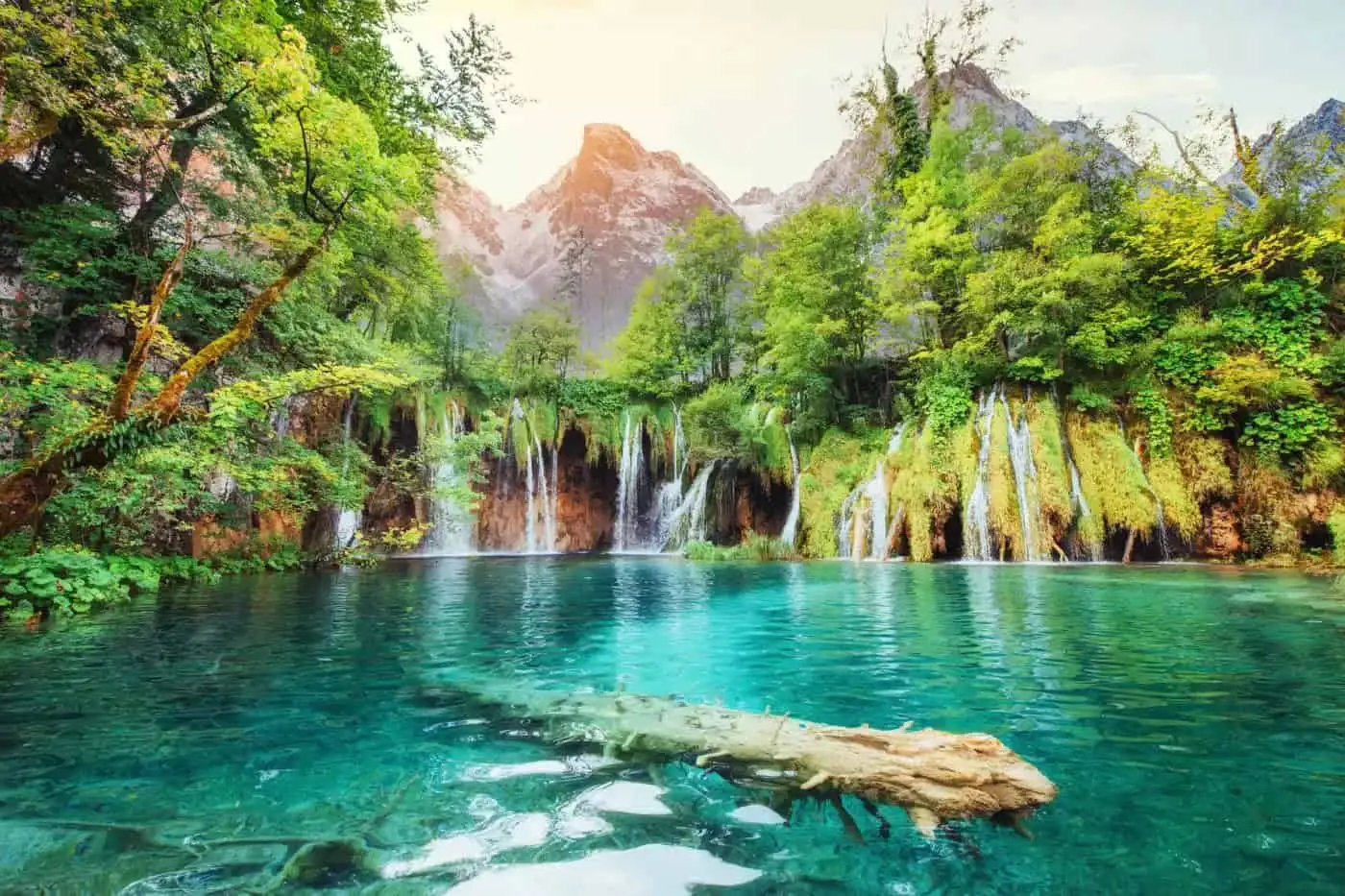
The most popular route is the path to Bijela Vodica, a waterfall that comes down through the trees in a series of pale, tumbling steps. The walk is gentle enough for families, and the stream beside the trail makes a good lunch spot. Plan about ninety minutes each way at a relaxed pace.
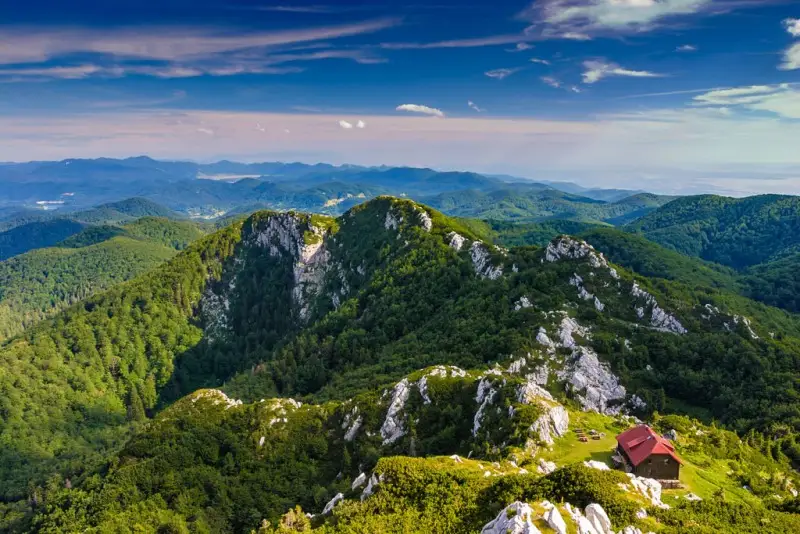
For a longer day, head toward Veliki Risnjak, the highest peak in the park at around 1,528 metres. The ascent is steady and sometimes steep over loose stone, and the summit rewards you with views across the Kvarner islands on a clear day. Only experienced hikers should attempt it in poor weather.
Some visitors prefer the quieter paths through the beech forest, where the ground is soft with leaf litter and the only sounds are birds and your own footsteps. You might spot a brown bear, lynx, or wild cat, although sightings are rare and you should never count on one. Keep food packed away and stay on marked paths, since the park protects these animals strictly.
Gorski Kotar Beyond the Park Boundary
The park sits inside the wider region of Gorski Kotar, and the villages around it deserve a stop. In Lokve and Delnice you will find small family-run restaurants serving štruca, roast lamb, and wild mushroom dishes. Many of them open only for lunch, so ask locals when the kitchen closes before you plan a late arrival.
Accommodation runs from simple guesthouses to converted farmhouses, often run as an OPG, a registered family farm that also sells honey, cheese, and homemade brandy. Prices for a double room generally fall between 50 and 90 EUR per night in shoulder season, rising in July and August. Book ahead on weekends, because the valley fills with day-trippers from Rijeka and Zagreb.
Tourist tax, known as boravišna taksa, applies to overnight stays and is usually included in the quoted price, though you should confirm this when booking. Ask whether the accommodation registers guests with the local tourist board, since that affects your receipts.
Frequently Asked Questions
Can I visit Risnjak without a car?
You can, but it takes effort. Buses from Rijeka reach Crni Lug on a limited schedule, and a taxi from Delnice costs more than most visitors expect. If you plan to stay several days, renting a car in Rijeka gives you far more freedom.
Is Risnjak suitable for children?
Yes, especially for the Bijela Vodica walk and the lower forest paths. Children who can manage two or three kilometres on uneven ground will enjoy the waterfall. The summit routes are better left for older, fitter walkers.
When is the best time to go?
It depends on what you want to see. Late May and June bring green meadows and waterfalls at full flow, while September gives clear air and autumn colour in the beech forest. Winter suits snowshoers, but the higher trails close or become dangerous.
Do I need a guide?
For the marked trails, no. For Veliki Risnjak in cloud or snow, a local mountain guide is worth hiring, and the Gorski Kotar tourist board can point you to certified ones. Guides usually charge by the day, and rates vary with group size.
Are dogs allowed in the park?
Dogs are generally permitted on leads, but the rules are stricter in sensitive zones where wildlife breeds. Check the signage at the entrance on the day you arrive, because restrictions can change with the season.