
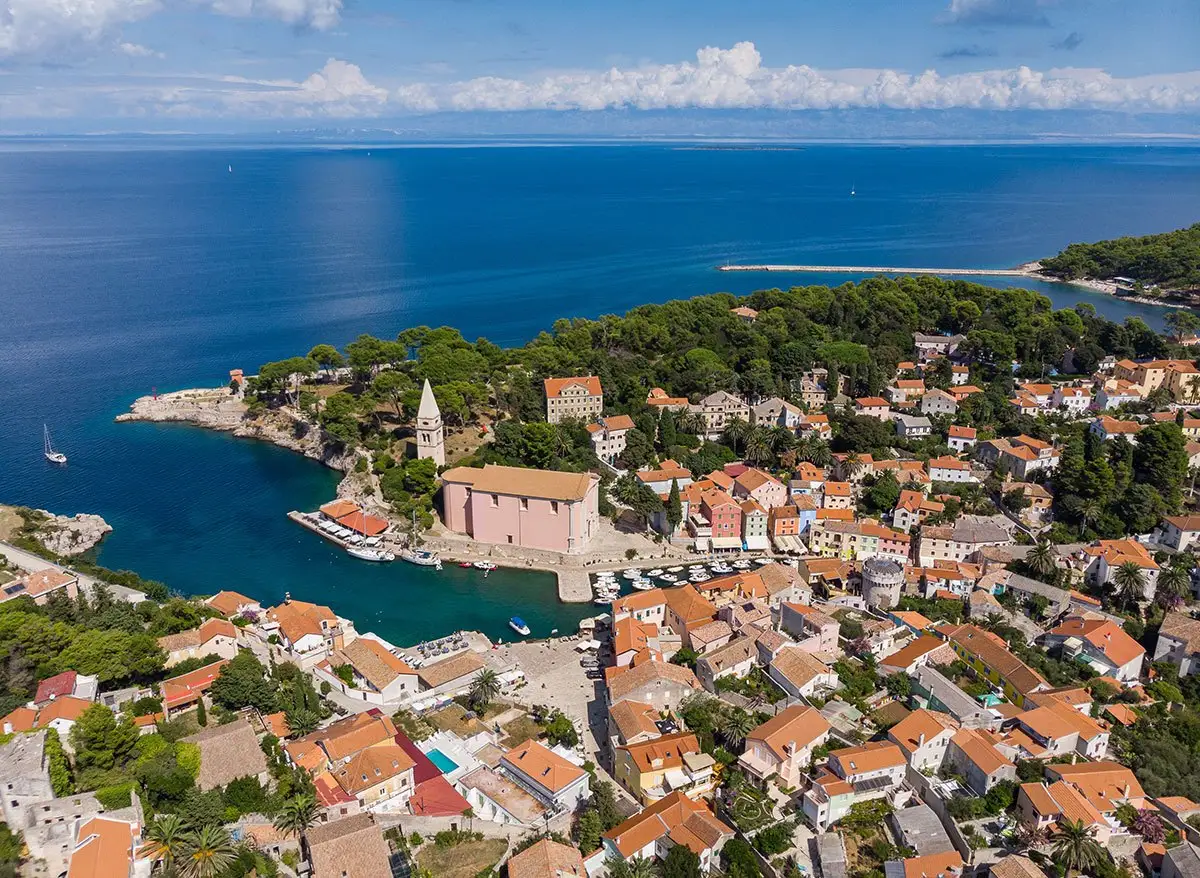
Lošinj Island, an island in Croatia’s Kvarner Gulf, is known for its pine forests, clean air, and a tradition of climate therapy dating to the nineteenth century. The towns of Mali Lošinj and Veli Lošinj offer contrasting atmospheres, while forest trails, wellness hotels, and resident bottlenose dolphin populations studied by the Blue World Institute draw visitors seeking nature and quiet.
The post also covers practical matters regarding Lošinj Island: buying property requires an OIB tax number and land registry process, renting involves a tourist tax, and transportation depends on seasonal bus and ferry schedules. A concluding FAQ section addresses travel routes, family suitability, dolphin-watching timing, car necessity, and weekly budget estimates.
Lošinj in a nutshell: why people keep coming back
Discover the charm and beauty of lošinj island, where every visit brings new adventures.
Lošinj is an island in the northern Kvarner Gulf, and it is one of the few places on the Croatian coast where you can hear a pine breeze before you see the sea. Most visitors arrive by ferry from Brestova or by car across the Krk bridge and then the longer drive south. The island rewards slow planning.
I first went out there in early April, on a recce trip for a client from Zagreb who wanted a holiday home with a view of the sea and no nightlife. We rented a small car in Mali Lošinj, drove the whole length of the island in a single afternoon, and stopped every time the road bent toward water. By evening he had already decided. The island has that effect.
Mali Lošinj and Veli Lošinj sit on opposite sides of a sheltered bay, and the town of Mali Lošinj is the main hub with its harbour, promenade and small shops. Veli Lošinj is quieter and more residential, with a long waterfront walk toward the bay. Between them the land rises into hills covered with Aleppo pine and holm oak, and that forest is the single biggest reason people choose the island over busier parts of the Adriatic.
Pine forests, clean air and the so-called island of vitality
The island’s reputation for health comes from its air. Lošinj has been known for climate therapy since the nineteenth century, when Austro-Hungarian doctors sent patients here to recover from lung conditions. The pine woods release aromatic compounds, and the sea breeze keeps the air moving. You will still see old sanatorium buildings in Veli Lošinj, though most now house hotels or apartments.
Walking the forest paths is the easiest way to feel this for yourself. The trail from Mali Lošinj up toward Čikat and the Sveti Ivan viewpoint takes about an hour at a relaxed pace, and in shoulder season you may have the path to yourself for long stretches. Bring water in July, because the shade is patchy and the rock gets hot fast.
Wellness is also part of the island’s identity. Several hotels offer thalassotherapy, seaweed wraps and pine-based treatments, and many of them are open from spring until autumn. Check opening dates before you plan a stay built around a spa day, since some properties close for a few weeks in winter.
Dolphin watching that is done properly
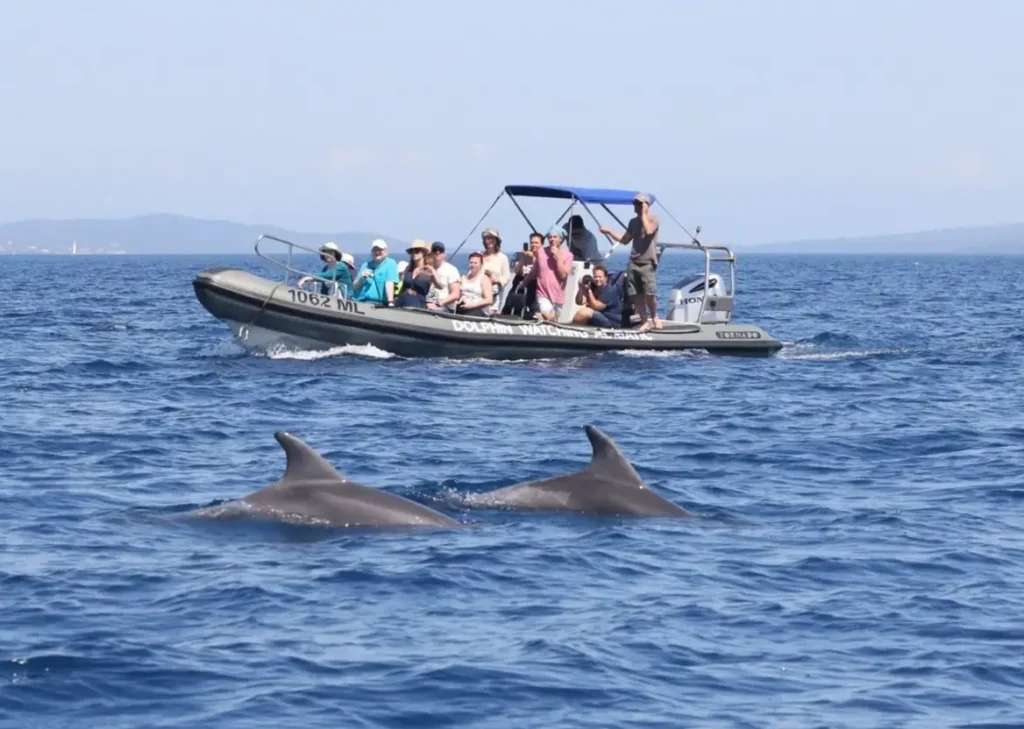
Lošinj is best known among marine biologists for its bottlenose dolphins, and the Blue World Institute, based in Veli Lošinj, has studied the local population for decades. The Lošinj dolphins are a resident group, so you have a good chance of seeing them in the channels between the islands, not only on rare sightings.
Choosing a tour matters more than the price. Look for operators that keep a respectful distance, limit the number of boats around a pod and do not chase animals. A good half-day trip usually costs somewhere in the range of 40 to 70 EUR per person, depending on season, boat size and whether the trip includes a stop for swimming. Prices shift every year, so ask the operator directly what is included.
I once joined a morning trip in late May with a couple from Graz. We saw a group of six or seven dolphins feeding near the rocks off Ilovik, and the skipper cut the engine for almost ten minutes. Nobody on board was taking photos by then. That quiet moment is what the good operators are selling.
Practical notes for buying, renting and getting around
If you are thinking about property on Lošinj, start with the paperwork. Every purchase needs a Croatian OIB, the personal tax number, and the transfer is only complete once the uknjižba is entered in the land registry at the municipal court. Many foreign buyers underestimate how long this takes, so budget several months between signing the contract and getting the keys. Coastal land may also fall under concessions, so confirm early that the plot you want is not subject to one.
Renting a holiday apartment is simpler. Most private landlords on the island are registered and charge a boravišna taksa, the tourist tax, which is calculated per person per night and varies by municipality and category. Expect a short mandatory payment at check-in, and keep your receipt.
Getting around requires some planning. The island has a bus network that links Mali Lošinj, Veli Lošinj and the smaller settlements, but frequency drops sharply outside summer. In July, parking in Mali Lošinj town centre fills by late morning, so I usually tell visitors to leave the car at the edge of town and walk. Ferries connect to Cres and to the mainland, and the timetable changes between seasons, so check it before you commit to a day trip.
Frequently asked questions
How do I get to Lošinj from Zagreb?
Most people drive to Krk, cross the bridge, and continue south to Brestova for the car ferry to Porozina on Cres, then drive across Cres to the Lošinj bridge. The whole trip takes roughly four to five hours depending on ferry waits. Bus services exist, but they are slower and less frequent.
Is Lošinj good for families with small children?
Yes, especially Veli Lošinj and the shallow bays along the coast, where the water warms early and the entry is gentle. Mali Lošinj has a playground near the harbour and easy access to ice cream. Evenings are quiet, so families often prefer it to livelier resorts.
When is the best time to see dolphins?
Late spring and early autumn give you calmer seas and fewer tour boats, which makes sightings easier to enjoy. Summer tours run more often, but the water is busier. Weather can cancel trips in strong northeasterly winds, so keep a flexible day in your plan.
Do I need a car on the island?
It depends on where you stay. If you are in the centre of Mali Lošinj and plan to walk the harbour and forest paths, you can manage without one for a few days. If you want to reach beaches in the south or the smaller villages, a car saves a lot of time and bus waiting.
What should I budget for a week on Lošinj?
Mid-range apartments in summer often cost between 90 and 180 EUR per night for two people, with lower prices in shoulder season. Add food, boat excursions and tourist tax, and a comfortable week for two usually lands somewhere between 1,200 and 2,200 EUR, though the spread is wide and depends heavily on how much you eat out.