
A guide to three staple foods along the Croatian coast—burek, soparnik and fritule—based on fifteen years of scouting trips to the region. It describes each dish’s characteristics, origins and best times to eat them, recommending specific bakeries and konobas in Split, Zadar, Hvar and Korčula, along with approximate prices. This guide is essential for anyone interested in experiencing traditional Croatian food.
Practical advice covers seasonal availability, typical costs for a day of street food, payment customs, and vegetarian considerations. The guide emphasizes eating where locals queue, timing visits around morning bakery hours, and checking seasonal closures, concluding with frequently asked questions addressing common visitor concerns about these traditional foods.
Where to Eat Burek, Soparnik and Fritule Along the Croatian Coast
Want the best cheap food on the Croatian coast? Go to a bakery at seven in the morning. That is where I start nearly every spring recce trip.
For those seeking an authentic experience, indulging in traditional Croatian food is a must during your travels.
Three foods define the Adriatic street food scene for me: burek, soparnik and fritule. Burek is a flaky pastry filled with meat, cheese or spinach. Soparnik is a thin Dalmatian pie of chard and onion. Fritule are small fried dough balls, dusted with sugar and often flavoured with rakija or lemon zest, sold in paper cones at every Advent market and summer festival. Each one tells you something about the place you are standing in.
I have eaten my way through this coast for almost fifteen years, mostly while scouting properties for clients who want to know what daily life actually feels like. Food tells you more about a neighbourhood than any listing photo ever will.
Burek and Bakeries: Breakfast the Way Locals Eat It
Burek is a Balkan staple, and along the Dalmatian coast it arrives hot from the oven before the shutters go up. Ask for a slice of meat burek or a cheese burek with a small yogurt. Locals rarely sit down for it; they eat standing at the counter with a paper napkin and a coffee.
In Split, the bakery I return to most sits near the Pazar market on Ulica Tina Ujevića, opening its doors around 6:30 in the morning. The pastry is shatteringly thin, and the filling is generously seasoned. A standard slice typically costs somewhere between 2.50 and 3.50 EUR, though prices climb in the centre and during July. Pay in cash if you can, because smaller bakeries still prefer it.
Burek is not a dinner food. If you turn up at 9 p.m. hoping for a snack, you will often find the trays empty. Plan your morning around it.
Soparnik: The Pie That Only Pelješac and Dalmatia Really Do Well
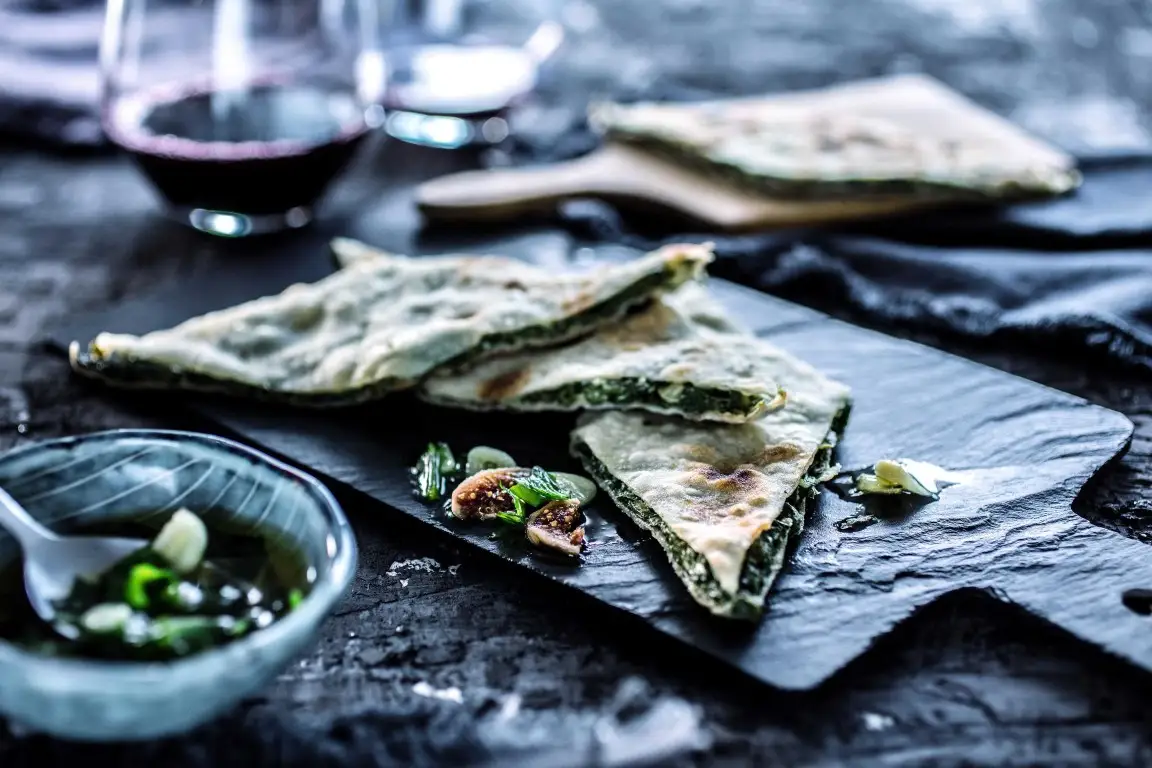
Soparnik is harder to find than burek, and that is part of its charm. The dough is rolled paper-thin and layered with Swiss chard, onion, garlic and olive oil. It is baked on a flat tray, traditionally under a metal lid covered with embers, which gives the edges a slight char. The result is smoky, green and surprisingly light.
Its heartland is the hinterland of Poljica and the Makarska area, and the best versions I have eaten came from a family konoba in the village of Blato on Korčula. The owner bakes it only on certain days, so call ahead. A whole soparnik serves four to six people and costs roughly 15 to 20 EUR depending on the season and the ingredients. Slices are sold by weight in some shops in Makarska along the riva.
Pair it with a glass of local white, such as Pošip from Korčula. The wine is no afterthought; the two were made to be eaten together.
Fritule Season and Where to Find the Good Ones
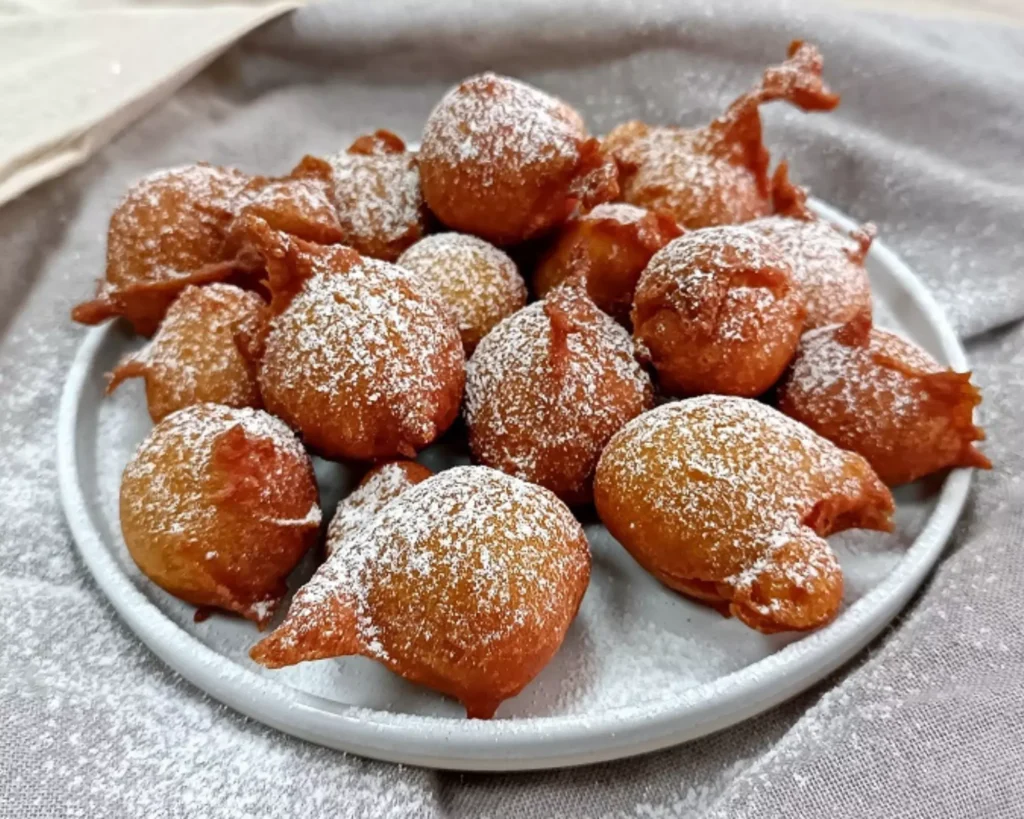
Fritule belong to winter. From early December, every town square fills with stalls selling them, and the smell of frying dough carries across the old stone streets. Some vendors add raisins, some add candied orange peel, and the best ones in my experience add a splash of maraschino or rakija to the batter.
In Zadar, I buy them from a small stand near the Sea Organ during the Christmas market. A paper cone of about twenty costs around 4 to 5 EUR. In summer, you will find them at beach kiosks and at the evening markets in Hvar Town, where prices sit a little higher, usually around 6 EUR for a similar portion.
Fritule are at their best within an hour of frying. After that the sugar starts to sink into the dough and the texture turns heavy. Eat them quickly, preferably while walking.
Practical Tips for Eating on the Coast
Eat where the locals queue. A bakery with a line of pensioners at 7 a.m. is almost always worth the wait. Tourist-facing cafés near the main squares often charge double for the same burek.
Watch the seasons closely. From late May and June through September, bakeries stay open longer and keep more varieties on display. In the shoulder months, many family konobas shorten their hours or close one day a week, so check before you walk a long way. Some places also close entirely for a few weeks in January or February.
Carry small change. Card terminals are common now, but many market stalls and small bakeries still prefer cash, and a 20 EUR note will not always break easily at 7 a.m. Keep a few coins for the kiosk on the seafront too.
Finally, slow down. These foods were never meant to be rushed. Sit on a bench near the harbour, watch the fishing boats come in, and let the second slice of burek go cold while you talk to the baker about the weather.
Frequently Asked Questions
Where is the best place to try burek on the Adriatic?
Split and Zadar have excellent bakeries, but the answer depends on your morning schedule. If you want the freshest burek, go early in Split near Pazar, because the good trays disappear by ten. In smaller towns like Makarska, the bakeries open a little later but often serve equally good pastry at lower prices.
Is soparnik only available in summer?
No, but it is more common in warmer months when chard and other greens are fresh. Some konobas bake it year-round with frozen or preserved greens, though the flavour is noticeably different. Ask whether the chard is seasonal before you order.
Can I buy fritule outside the winter months?
Yes. Beach kiosks and some evening markets sell them through the summer, particularly in Hvar Town and along the Makarska riva. Expect them to cost a little more than the winter stalls, and look for vendors who fry to order rather than reheating old batches.
How much should I budget for a day of street food?
A realistic budget for a full day of bakery breakfasts, a snack and a light lunch runs between 10 and 20 EUR per person, depending on how much soparnik and wine you add. Coastal tourist zones cost more, so venture a few streets back from the seafront to save money.
Are these foods suitable for vegetarians?
Mostly yes, with care. Cheese and spinach burek and plain soparnik with chard are vegetarian, but many bakeries use the same tray for meat and cheese fillings, and some soparnik recipes include pork fat. Ask the baker directly, and they will usually point you to the right tray.