
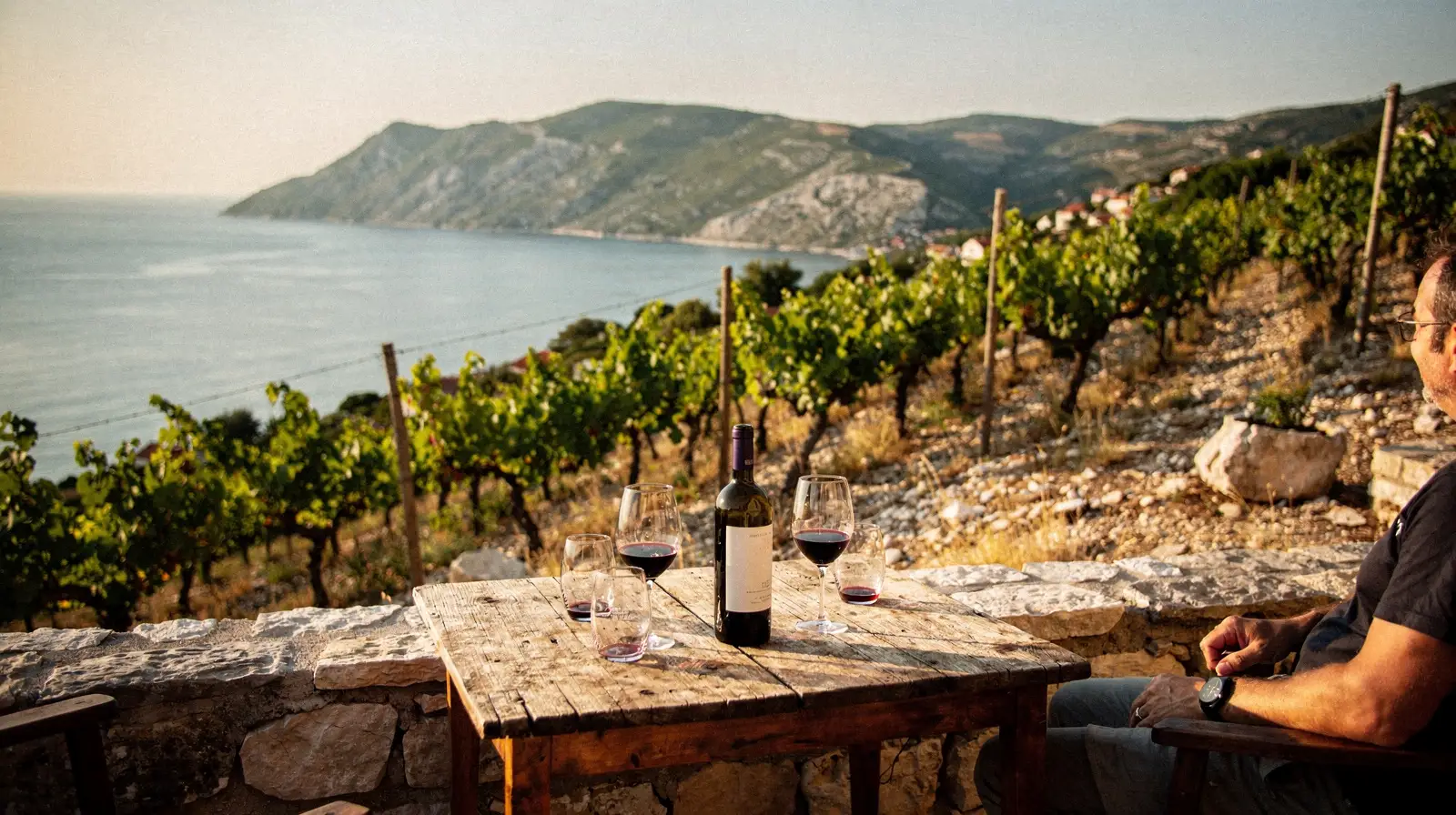
Pelješac, a Croatian peninsula known for viticulture tied to its Mediterranean climate and limestone terrain, produces distinctive wines primarily from the Plavac Mali grape, with Dingač and Postup as notable vineyard areas. Wineries range from small family cellars to polished tasting rooms, including Matuško, Miloš, Korta Katarina, and Grgić Vina, each offering different tasting experiences and requiring advance confirmation of hours and bookings.
Planning a wine route requires accounting for the peninsula’s spread-out villages, winding roads, and seasonal variability in traffic and ferry schedules. Visitors are advised to choose a convenient base, arrange safe transport, confirm reservations, pace their itinerary, and consider pairing wines with regional food while respecting private vineyard property and winery etiquette.
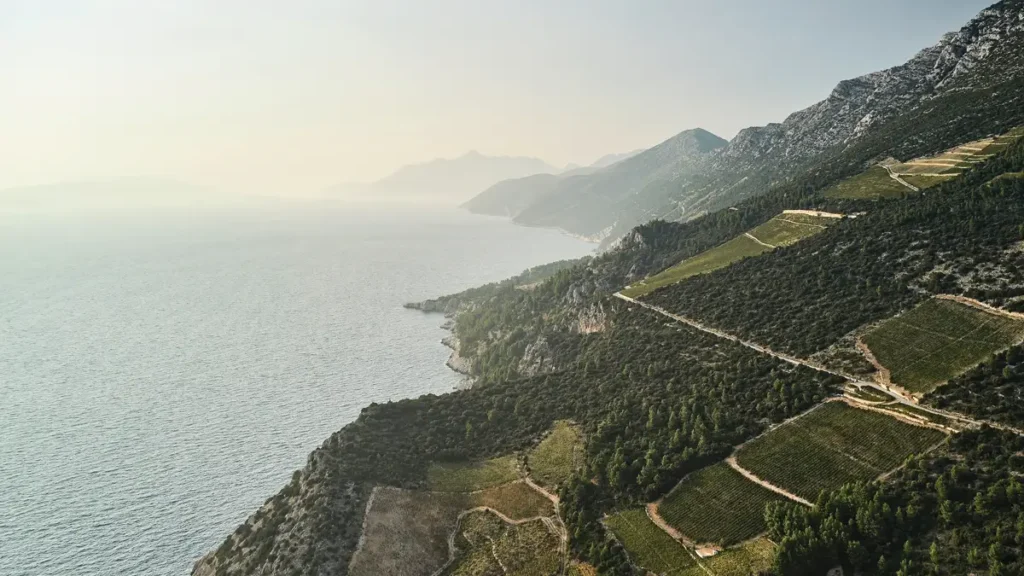
Pelješac has a distinctive place in Croatia’s wine culture, shaped by a long tradition of viticulture and a landscape closely tied to the sea. Vineyards extend across the peninsula, but conditions shift from one slope and valley to another. Abundant sunshine and a dry Mediterranean climate help grapes ripen fully, while Adriatic breezes moderate heat and bring a maritime character. Limestone-rich soils and rugged terrain also influence how vines grow and how wines express their origins. Steep, south-facing slopes receive strong sunlight, creating demanding growing conditions as well as distinctive opportunities for grape cultivation.
The peninsula’s signature red grape is Plavac Mali, a variety known for producing deeply colored, robust wines with ripe fruit and firm structure. Its character can differ notably according to site, exposure, and the decisions made in the cellar. Dingač and Postup are the best-known vineyard areas, associated with dramatic coastal slopes and concentrated expressions of the grape. They are important reference points, but they do not represent the whole Pelješac wine landscape. Other villages and vineyard settings contribute their own styles, and visitors may encounter whites, rosés, and lighter or more approachable reds alongside the celebrated powerful reds.
Wine visits vary as much as the region itself. Some producers welcome guests into small, family-run cellars, where tastings may be informal and personal; others operate more established tasting rooms with a set selection of wines. Opening hours, booking requirements, tasting formats, and transport options can change by season, so checking details ahead of time is useful, particularly outside the busiest summer months. Rather than treating wineries as a ranked checklist, build an itinerary around your route, interests, and available time. A short stop near your accommodation may suit one traveler, while another may prefer to explore a particular vineyard area or arrange several tastings with a designated driver.
Pelješac’s winery landscape ranges from intimate family cellars to purpose-built tasting rooms, and a visit can provide useful context for the peninsula’s powerful red wines. Near Potomje, Matuško is closely associated with Plavac Mali and the steep Dingač vineyards. Visitors may encounter tastings that compare wines from different sites or vintages and hear how the exposed slopes, stone soils, and maritime conditions shape the grapes. The cellar experience and available wines can vary, so confirm what is offered rather than assuming a standard tour or walk-in service. Some visits may require advance booking, particularly during busy summer periods.
Close to Potomje, Miloš offers another perspective on Plavac Mali, with a family-winery setting and wines that reflect the peninsula’s long-standing viticultural traditions. A tasting may introduce the producer’s approach to the grape, vineyard influences, and ageing, though the selection and format depend on current arrangements. In Orebić, Korta Katarina stands out for its scenic setting and polished tasting-room experience, where visitors may sample estate wines while looking across the channel toward Korčula. Its location makes it a convenient stop for travelers exploring the western peninsula, but reservations and tasting options should be checked directly before arrival.
On the southern coast, Grgić Vina in Trstenik is linked with celebrated wines from the Dingač and Postup areas. A visit may offer insight into how these distinct vineyard locations influence Plavac Mali, alongside the chance to taste selected bottlings. Cellar access, tour languages, and food pairings differ among producers and can change seasonally. Before setting out, check current opening hours and book tastings in advance, especially for larger groups or peak travel dates. Ask about the languages available, group-size limits, tasting duration, and whether local cheeses or other food pairings can be arranged. Planning ahead helps match each stop to your interests and avoids relying on unconfirmed walk-in access.
Planning a wine-tasting route on Pelješac starts with understanding its geography. The peninsula’s wineries are not clustered in one compact district: Potomje and the steep Dingač area, Orebić, Trstenik, and smaller villages are linked by winding, sometimes narrow roads. Distances that look short on a map can take longer than expected, especially when stopping for viewpoints or meeting a winemaker. Allow generous driving time and avoid packing too many tastings into one day.
Choose a convenient base and plan visits in nearby areas rather than crossing the peninsula repeatedly. Orebić suits travelers exploring the western side or connecting with Korčula; Ston can work well for arrivals from the mainland and visits to eastern villages. Staying in a village can also reduce daily driving and offer a closer sense of local life. Check winery locations and opening hours before setting out, then group appointments by area.
Build flexibility into the schedule. Seasonal traffic, road conditions, ferry departures, and queues can affect journey times, particularly during busy summer periods. If your plans include an onward trip to Korčula, allow time for the ferry and do not schedule a final tasting close to departure. A designated driver, pre-booked taxi or private transfer, or organized tasting tour can make the day safer and easier to manage. Never drive after drinking, even following a small tasting.
Before leaving, confirm each reservation directly with the winery, including the appointment time, tasting format, and whether cellar access is available. Ask about payment options, as facilities and accepted methods may vary. Bring water, and plan meals between tastings rather than relying on last-minute stops. A relaxed itinerary with time to eat, hydrate, and enjoy each visit is more rewarding than a race between cellars. If a tasting runs longer than expected, be prepared to adjust or skip the next stop.
A winery visit can be one part of a broader Pelješac experience, rather than an activity confined to the tasting room. The peninsula’s robust red wines, including those made from Plavac Mali, pair naturally with regional food. Ask producers for their recommendations: they can suggest bottles to accompany grilled fish, lamb, or aged cheese, and may offer ideas for serving wine with local oysters and other shellfish. Although seafood is often associated with lighter wines, a producer’s guidance can help match a particular dish with a suitable style. Tasting with food also offers a useful way to understand how acidity, tannins, and fruit interact.
Pelješac’s appeal extends beyond its vineyards. Hillside vines and coastal roads create opportunities to enjoy broad views of the Adriatic, while nearby villages and shoreline stops can add variety to a day of tastings. Viewpoints and routes may be visible from public roads, but vineyard plots and winery grounds are not automatically open for independent exploration. Follow signs, respect boundaries, and ask before walking among vines or taking a route across private property. A relaxed schedule leaves room to pause for scenery, enjoy a meal, or visit a public coastal area without turning the day into a race between appointments.
Many wineries are small, family-run businesses, so considerate communication helps visits go smoothly. Arrive at the agreed time, and contact the host promptly if traffic or another delay affects your arrival. Check booking policies in advance, including group-size limits and cancellation terms. Ask permission before photographing people, production spaces, or work in progress, and follow any requests about where visitors may go. There is no obligation to buy every wine tasted; choose bottles you genuinely enjoy and can transport appropriately. For a balanced itinerary, select a few contrasting producers, reserve ahead, arrange safe transport, and leave time to experience the peninsula beyond the tasting room.
Explore Pelješac Through Its Wines
Pelješac, a rugged peninsula in southern Croatia, is best known for sun-loving Plavac Mali grapes grown on steep, stony slopes. Sea breezes, intense sunshine and varied terrain give local wines plenty of character. These five styles offer a useful introduction, from powerful reds to refreshing whites. Availability varies by winery and vintage, so ask for a local recommendation when tasting.
1. Plavac Mali
Start with the peninsula’s signature red grape. Plavac Mali wines are often full-bodied, with ripe dark-fruit flavors, firm structure and noticeable warmth. Depending on the site and producer, you may also find notes of herbs, spice or dried fruit. Try a young bottle for vivid fruit, or an aged example to discover how the wine develops.
2. Dingač
Dingač is a renowned appellation on Pelješac’s steep southern slopes, where Plavac Mali vines receive abundant sun. These wines are typically concentrated and robust, making them a memorable choice with grilled meat or aged cheese. Look for the protected designation on the label and ask the producer about the vintage.
3. Postup
Another celebrated coastal growing area, Postup also produces expressive Plavac Mali. Compared with other bottles, individual examples can feel more approachable or more intense; vineyard, harvest and winemaking all matter. Tasting Postup alongside Dingač is a practical way to notice differences between neighboring sites.
4. Pošip
Though Pelješac is famous for reds, seek out Pošip, a Croatian white variety found across Dalmatia and available from peninsula producers. Expect a dry wine with fresh citrus or stone-fruit character and enough body to pair with seafood. Ask whether the bottle was aged in stainless steel or oak, as this affects its style.
5. Rukatac
Rukatac, also known as Maraština in some regions, offers another white-wine perspective. It can be aromatic and rounded, with orchard-fruit notes and a pleasant freshness. A chilled glass makes a good match for shellfish or a warm afternoon meal. Together, these five wines reveal Pelješac’s signature reds and its less expected white side.
📅 Last updated: