
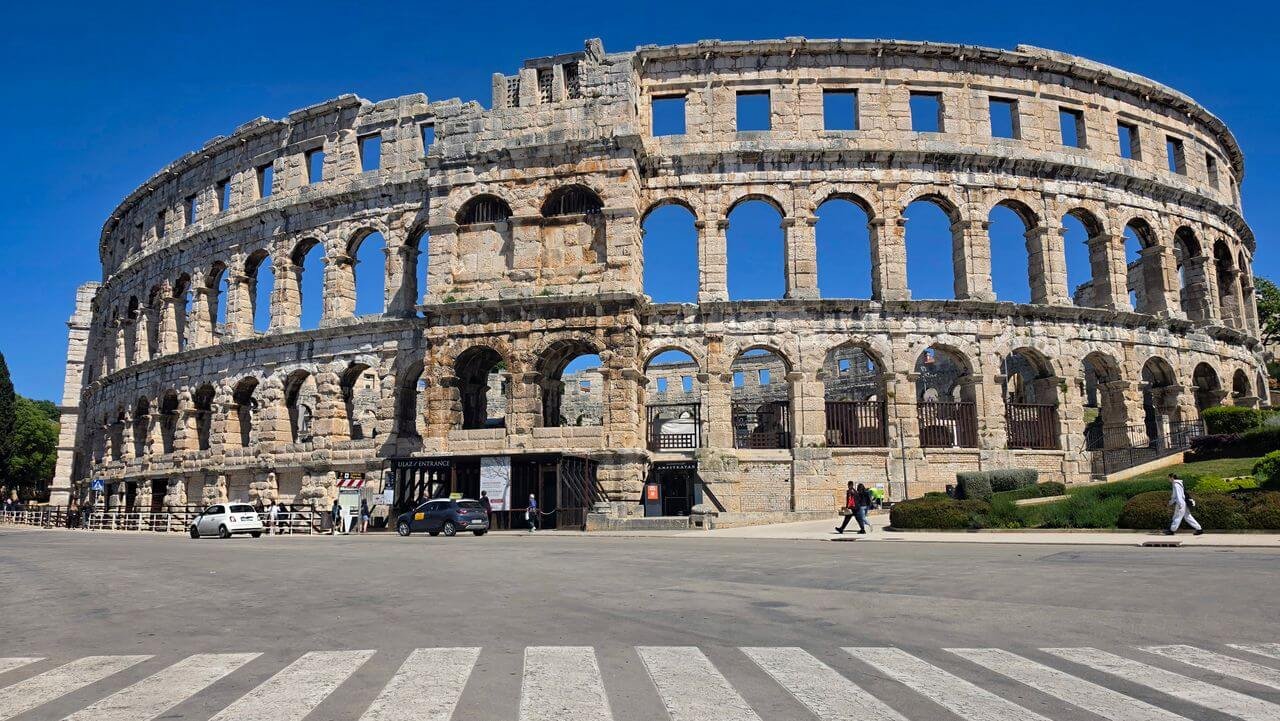
This guide explains, step by step, how to buy and renovate a historic property in Croatia — from Dalmatian stone houses in Hvar and Korčula to Istrian village homes and old-town apartments in Šibenik or Rovinj. It is written for foreign buyers, second-home seekers and investors who want to understand the legal checks, taxes, notary process, heritage rules and realistic renovation costs before committing money to a centuries-old building.
Buying a historic stone house in Dalmatia requires careful legal checks before signing anything. Key steps include verifying a clean land registry entry, confirming heritage protection status, and ensuring all heirs agree to the sale, since ownership records often involve complex inheritance histories.
The process involves notarized contracts, registry fees, transfer taxes around 3%, and obtaining a tax number (OIB). Heritage-protected buildings require Ministry of Culture approval for renovations. Buyers should budget for potentially costly legalization, specialized craftsmen, and conservation office approvals, and are advised to hire a local lawyer.
If you want a stone house in Dalmatia with a centuries-old story, the process is doable, but the paperwork is where most foreign buyers get stuck. Start with three checks: confirm the land registry (zemljišna knjiga) entry is clean, verify whether the building is under heritage protection, and make sure the seller can transfer full ownership without family disputes. Get these right before you sign anything.
Why Historic Properties in Croatia Need Extra Caution Before You Buy
Old houses in towns like Hvar, Korčula, Rovinj or the inland villages behind Zadar carry charm, but they also carry history. Some date back to Venetian times, and their ownership records are often a patchwork of inheritances, partial shares and informal handovers. A house that looks perfect on a sunny afternoon can hide a decade of unresolved claims.
Heritage status changes everything. Buildings listed in the Register of Cultural Goods (Registar kulturnih dobara) or located inside a protected historic core cannot be renovated freely. You will need approval from the Ministry of Culture and Media conservation department before touching facades, roofs or windows.
The scale of this is easy to underestimate: Croatia’s Ministry of Culture and Media lists thousands of entries in the Register of Cultural Goods, and UNESCO protects entire inhabited historic cores such as Dubrovnik’s Old City, the Historical Complex of Split with Diocletian’s Palace, the town of Trogir and the Stari Grad Plain on Hvar — meaning many attractive “village houses” on the market sit inside legally protected zones where conservation approval is mandatory.
The Legal Checks and Due Diligence to Complete Before You Buy
Croatian property transactions are formal and relatively slow. Ownership changes only when the transfer is registered in the land registry, which is why the entry (uknjižba) matters more than any handshake or private contract.
- Land registry extract (izvadak iz zemljišne knjige): Order it from the municipal court’s land registry department. Check for mortgages, easements (služnosti) and pending entries.
- Cadastral extract (katastarski izvadak): Compare the physical plot with the official cadastral data. Historic houses often have extensions that were never legalized.
- Building permit and use permit (građevinska i uporabna dozvola): Ask for these. If they do not exist, budget for legalization, which can be expensive and slow.
- Heritage status check: Confirm with the regional conservation office whether the property or its zone is protected.
- Inheritance status: Many old houses still belong to multiple heirs. Every co-owner must agree to the sale, or the deal can collapse.
The Role of the Croatian Public Notary in the Sale
Sales contracts must be made in notarial form, typically through a public notary (javni bilježnik). The notary checks the registry, drafts the contract and handles the submission to the land registry. Buyers pay a notary fee, and you should ask for an estimate upfront.
Taxes, Fees and Hidden Costs You Should Budget For
The purchase price is only the start. Foreign buyers in Croatia face the same tax framework as locals, and the figures below reflect typical ranges, so confirm current rates with your notary or tax office.
| Cost item | Typical range |
| Property transfer tax (porez na promet nekretnina) | Usually 3% of the declared value, sometimes reduced for certain cases |
| Notary fees | Roughly 1 to 2% of value, depending on the work involved |
| Land registry fees | Small fixed amounts plus stamp duties |
| Legal or due diligence support | Varies widely, often a few hundred to a few thousand euros |
| Renovation under heritage rules | Often significantly higher than standard renovation, sometimes double or more |
You will also need a tax number (OIB) to complete the purchase. Get it early. Non-residents can obtain one through the tax administration, and your notary or lawyer can usually help arrange it.
Renovating a Historic Home in Croatia: The Practical Reality
Renovation is where dreams meet budgets. Stone walls, lime mortar, wooden roof beams and terracotta tiles are all part of the appeal, but skilled craftsmen who understand traditional methods are scarce, especially in the summer when everyone is busy with tourism work.
Plan the project in phases. Start with structure and roof, because water damage spreads fast. Only then move to interiors. Get the conservation office’s opinion on your plans before hiring builders, since changes made without approval can result in fines or orders to restore the original state.
Living Under Coastal Conditions: Salt, Damp and Stone
Sea air, wind and humidity affect old buildings differently than inland properties. Check for rising damp, salt damage on stone and failing lime plaster. A survey from a surveyor familiar with traditional construction is worth every euro.
Frequently Asked Questions About Buying Historic Property in Croatia
Can foreigners buy historic property in Croatia?
Yes. Foreign nationals can generally buy property in Croatia, though rules for certain areas near borders and for specific property types can differ. Confirm your situation with a notary or lawyer.
Is a historic house more expensive to insure?
Often, yes. Insurers may require specific coverage for heritage buildings, and premiums can reflect the cost of traditional materials used in repairs.
How long does the purchase take?
Expect anywhere from a few weeks to several months. Delays usually come from inheritance issues, missing permits or slow registry processing.
Do I need a permit to repaint or change windows?
If the building is protected, yes. Even in unprotected buildings, facade changes may need municipal approval, so check before starting work.
Should I hire a local lawyer?
Strongly recommended. A lawyer who works with property transactions can verify the registry, review contracts and flag issues the notary may not raise, particularly around heritage status and inheritance.
What is an OIB and why do I need one to buy property in Croatia?
The OIB (osobni identifikacijski broj) is the Croatian personal identification number used for all tax and administrative matters. Without it you cannot be registered as an owner, pay the transfer tax or open utility accounts. Non-residents can apply through the Tax Administration (Porezna uprava) in person or via an authorised representative, and it is usually issued quickly.
How do I check whether a house is listed in the Register of Cultural Goods?
Ask the regional conservation department (konzervatorski odjel) of the Ministry of Culture and Media that covers the county where the property sits. They can confirm whether the building itself is individually listed or whether it falls inside a protected historic urban core. Request this confirmation in writing before you sign a pre-contract, because the answer directly affects renovation freedom and cost.
What happens if a historic house was never legalized?
Unpermitted extensions, enclosed terraces and converted attics are extremely common in older Croatian properties. Legalization is possible under Croatian legalization procedures, but it requires surveys, architectural documentation and fees, and it is not guaranteed in protected zones. Negotiate the price accordingly, or make the sale conditional on the seller completing legalization first.
Is it better to buy a historic property in Istria or Dalmatia?
Istria tends to offer inland stone villages, shorter drives to Central Europe and a longer shoulder season, while Dalmatia offers island locations, stronger summer rental demand and higher prices in prime old towns like Hvar, Korčula and Dubrovnik. Istrian properties often have slightly simpler ownership histories; Dalmatian island houses more frequently involve multiple heirs. Your choice should follow your intended use — year-round living versus seasonal rental income.
Can I rent out a renovated historic house to tourists?
Yes, but you need a tourist rental licence (rješenje) from the local county office, which requires the property to meet categorisation standards for things as specific as bathroom size, bed dimensions and fire safety. Heritage restrictions can complicate meeting those standards, so discuss the rental plan with both your architect and the conservation office early. Registered properties also pay tourist tax and a flat-rate or income-based tax depending on structure.
Do I need a survey before buying an old stone house?
Strongly recommended. A structural survey by someone experienced with lime mortar, stone masonry and timber roof structures will identify rising damp, beam rot, cracked lintels and salt-damaged plaster that a visual inspection misses. The cost is minor compared with discovering a failing roof after completion.
Can I pay for a Croatian property in cash or foreign currency?
Payments are normally made by bank transfer, frequently through a notary or lawyer escrow arrangement, and Croatia uses the euro since January 2023. Large cash payments are restricted under anti-money-laundering rules, and banks will ask for proof of the source of funds. Plan transfers in advance to avoid delays at the signing stage.
📅 Last updated: