
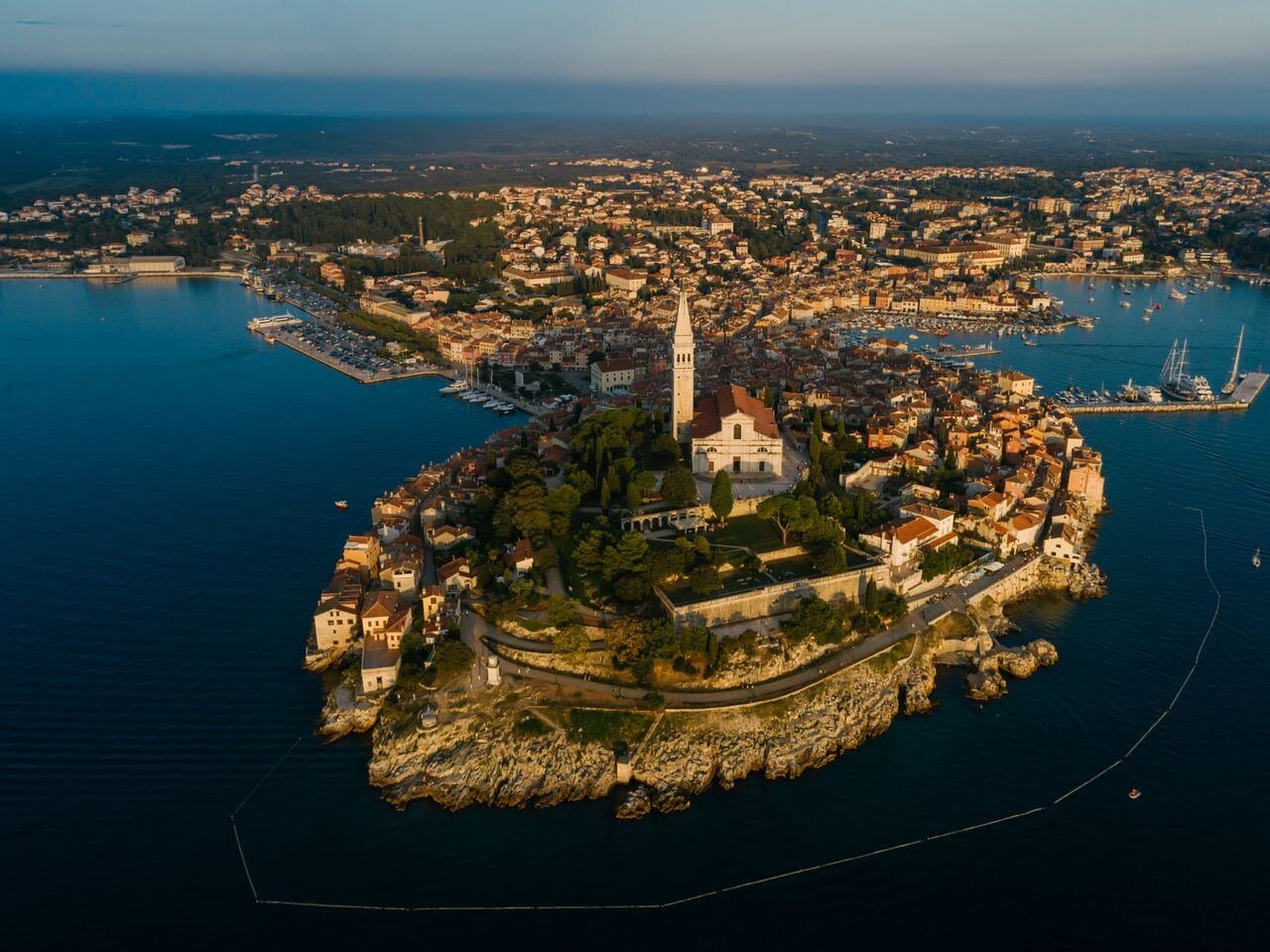
Rovinj, on Croatia’s Istrian coast, is presented as a strong location for luxury property investment due to its historic old town, limited housing supply, heritage protections, and steady demand from domestic and foreign buyers. Investment strength varies by neighborhood, with old town properties commanding the highest prices but facing renovation restrictions, while areas like Lone Bay and Valkane offer different balances of rental performance and entry cost.
The content outlines legal requirements for foreign buyers, including obtaining an OIB, verifying land registry status, and confirming use permits, along with costs beyond the purchase price such as taxes, fees, and renovation expenses. It also addresses short-term rental regulations, seasonal occupancy expectations, and answers common questions about foreign ownership, rental yields, permits, and purchase timelines.
If you are looking for a premium property investment on the Istrian coast, Rovinj remains one of the strongest options in Croatia. Its historic old town, clear sea and steady demand from both domestic and foreign buyers make luxury apartments here a reliable store of value, though returns depend heavily on location, legal status and how you plan to use the unit.
Why Rovinj Attracts Premium Buyers
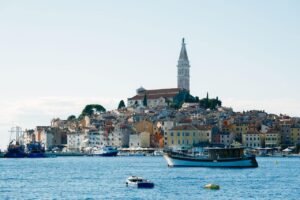
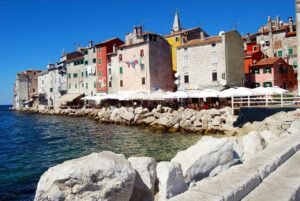
Rovinj sits on a small peninsula and feels more like a Mediterranean village than a resort town. The Church of St. Euphemia dominates the skyline, and the narrow stone streets of the old town are lined with galleries, wine bars and boutique hotels.
Demand is driven by a few clear factors. The town has a limited supply of new construction, and much of the historic core is protected, which keeps competition for quality units tight.
- Tourism: Rovinj draws visitors from Germany, Austria, Italy, the UK and the Nordic countries, with a strong season from April to October.
- Scarcity: Sea-view apartments in the old town rarely come to market, and well-renovated units sell quickly.
- Lifestyle appeal: Proximity to Lone Bay, Sv. Katarina island and the Limski kanal makes the area attractive for long-term residents as well as renters.
- Infrastructure: Rovinj Airport at Valtura, the Pula and Trieste airports within reach, and the A9 motorway give good access.
According to recent market insights, the Croatian real estate market saw a 5% increase in property value in the Istrian region over the past year, underscoring the growing interest and investment potential.
Choosing the Right Location and Property Type
Not every address in Rovinj carries the same premium. The gap between a renovated palazzo apartment in the old town and a modern flat on the outskirts can be substantial, both in price and in rental performance.
Old town properties command the highest prices per square metre, but renovation is often complex. Buildings may fall under cultural heritage protection, so any façade or structural work needs approval from the relevant conservation authority before you start.
| Location | Typical Profile | Investment Strength |
| Old town (Stari grad) | Historic, sea views, heritage limits | Highest value, strong short-let demand |
| Lone Bay / Monte Mulini area | Modern villas and apartments, pools, quiet | Premium long-term and holiday lets |
| Valkane and Villa Rubin area | Mixed residential, walkable to town | Stable rental income, good value |
| Rovinjsko Selo / outskirts | Newer builds, larger units, parking | Lower entry cost, longer payback |
Property Types Worth Considering
Luxury stock in Rovinj ranges from restored townhouses with original stonework to new-build penthouses with terraces. Penthouses and sea-facing units with private parking tend to attract the best long-stay tenants and the most demanding holiday guests.
Be careful with units described as “luxury” without verified specifications. Check the actual floor area, the presence of a building permit for the finished space, and whether the apartment is registered in the land registry.
Legal Checklist Before You Buy
Croatian property law is manageable for foreign buyers, but the paperwork must be in order. Most problems come from incomplete land registry records or unregistered extensions rather than from the purchase itself.
Work through these steps with a licensed attorney (odvjetnik) and a notary:
- Obtain an OIB: Every buyer, including non-residents, needs a personal identification number (OIB) before completing the transaction.
- Check the land registry (zemljišna knjiga): Confirm ownership, encumbrances, mortgages and any pending entries.
- Verify uknjižba: Make sure the unit is formally registered in the seller’s name and that the registration is complete.
- Review the building permit and use permit: Ask for the uporabna dozvola (use permit). Without it, financing and resale become difficult.
- Confirm the utility and community fees: Check for outstanding debts on water, electricity and the building association.
- Understand foreign buyer rules: Non-EU buyers may need reciprocity confirmation and additional approval, so verify this early.
Costs to Budget For
Beyond the purchase price, plan for transfer tax, notary and attorney fees, and the land registry entry. Renovation costs in heritage buildings can be significantly higher than in modern properties, so get a written estimate before committing.
Rental Income and Tourist Tax Rules
If you plan to rent the apartment to tourists, you must register it as a private accommodation unit and comply with the local tourist tax rules. Short-term rentals in Rovinj are regulated, and the municipality and national tourism authorities expect proper registration, reporting and tax payment.
Realistic occupancy in Rovinj is strongest from late spring to early autumn. Winter lettings are possible, but most owners rely on long-term tenants or personal use during the quieter months. Build your financial model on conservative occupancy figures rather than peak-season assumptions.
Frequently Asked Questions
Can foreigners buy luxury apartments in Rovinj?
Yes. Foreign buyers can purchase property in Croatia, though non-EU citizens may need additional approvals depending on their nationality and the reciprocity rules in place. A local attorney can confirm the requirements for your case.
What is a good rental yield for a luxury apartment in Rovinj?
Yields vary widely by location, condition and season. Well-managed holiday units in prime areas can perform strongly in peak months, but net returns depend on management costs, taxes and vacancy. Always base projections on verified occupancy data.
Do I need a use permit to rent my apartment?
In most cases, yes. A use permit (uporabna dozvola) confirms the building is legally habitable, and tourist registration requires a valid property status. Without these documents, legal and insurance problems can arise.
How long does the purchase process take?
A straightforward transaction with clean documentation can close in roughly one to three months. Complex cases involving heritage restrictions, inheritance issues or unregistered works can take considerably longer.
Is the old town a good investment compared to newer areas?
The old town offers the strongest prestige and rental appeal, but it also brings renovation limits and higher purchase prices. Newer premium areas may offer better cash flow and fewer surprises, so the right choice depends on your budget and goals.
What legal documents are essential for property acquisition?
Essential documents include a valid land registry extract, a building permit, and, if available, the use permit. These ensure that the property is legally sound for both purchase and potential resale.
Are there any specific rules for short-term rentals in Rovinj?
Yes. Short-term rentals require tourist registration and compliance with local tax regulations. Rental activities must be reported and are subject to both city and national tourism taxes, ensuring all rental laws are adhered to.
📅 Last updated: