
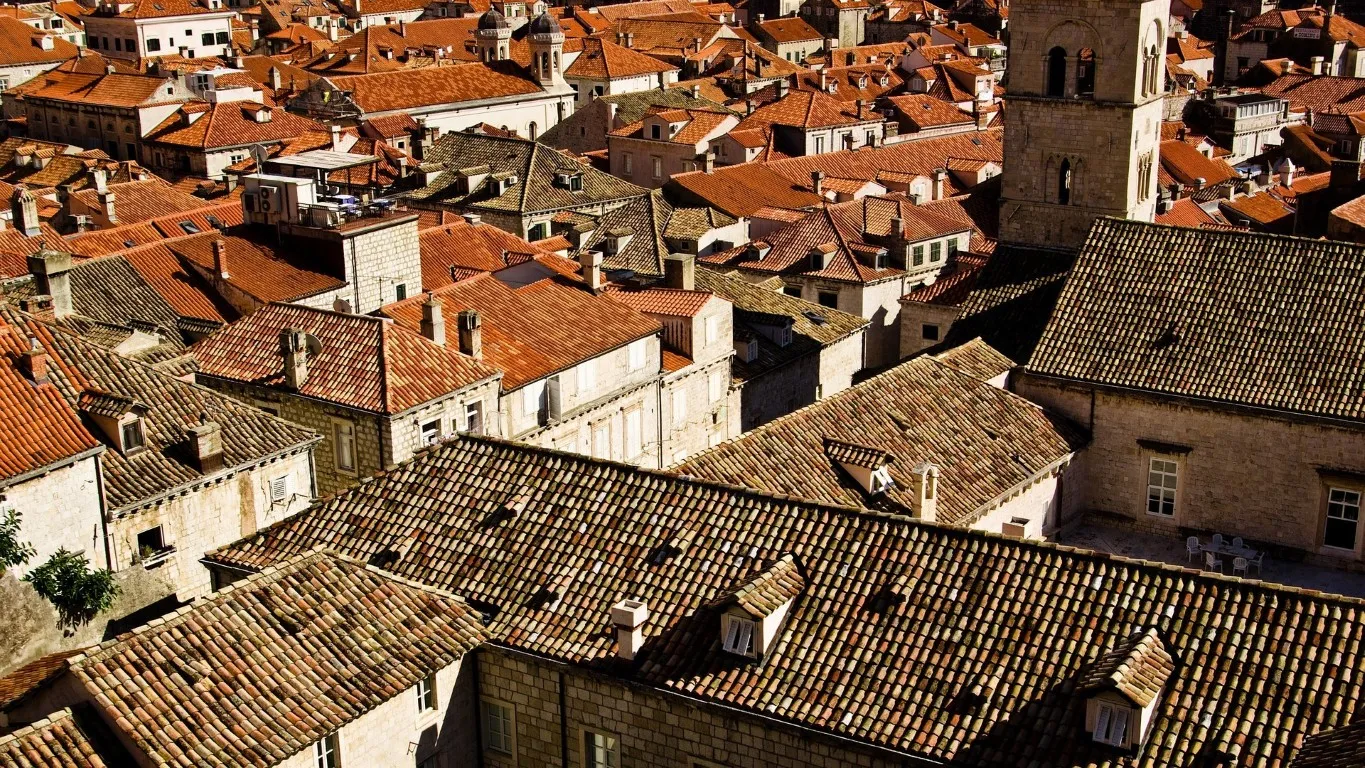
Finding long-term winter rentals Dalmatia on the Dalmatian coast requires looking beyond major booking platforms, often through local contacts and in-person searches. The guide covers neighborhood recommendations in Split, Makarska, Korčula, Zadar, and Šibenik, noting quieter, more affordable micro-locations and considerations like heating quality and proximity to town centers.
It also details realistic monthly rental prices for long-term winter rentals Dalmatia (roughly 500-1,100 EUR depending on location and size), contract essentials including deposits and OIB numbers, tourist tax handling, and property verification steps like checking the katastar registry. Additional FAQs address seasonal timing, residence permits, and the tradeoffs between using rental agencies versus renting directly from owners.
Where to Look and What You’ll Actually Pay
Winter rentals on the Dalmatian coast are easier to find than most people expect. The catch is that the good ones rarely appear on the big booking platforms, and the prices shift more than you’d think between Split and Zadar.
I learned this the hard way. Two winters ago a client from Zagreb, a retired engineer who wanted four months in Makarska, spent six weeks refreshing listings that were mostly July ghosts. Then we walked the old quarter together and found three apartments through the windows of local shops and a neighbor’s cousin. Let me save you that detour.
Neighborhoods and Micro-Locations Worth Considering
Start with the micro-location, not the town. In Split, Varoš and the streets behind Trg Brace Radić stay quiet and affordable after October, while Bačvice empties into a sleepy promenade with a few cafés open. Faster access to the city matters more than a sea view in January, when the wind off the channel can make the front row unpleasant.
In Makarska, the Krvavica side near the Kotač area gives you quieter streets and easy walking to the promenade. Korčula Town works well for long stays too, though the stone houses are cold and damp without proper heating, so ask about the heating system before you sign anything.
Zadar offers something the southern towns don’t: a year-round university population that keeps rents steadier. Neighborhoods like Bulevar and the streets near the Morske orgulje are good bets. Šibenik, further south, is quieter still and often the cheapest of the group per square meter.
Realistic Prices and How Contracts Work
Monthly rates for a one-bedroom apartment in the off-season generally run from about 500 to 800 EUR in smaller towns and roughly 700 to 1,100 EUR in Split or Zadar. Two-bedroom places in Split can reach 1,200 EUR or more, depending on the view, the floor, and whether heating is central or electric. These numbers move with the year, so treat them as ranges, not promises.
Most owners ask for a deposit equal to one month’s rent, paid in cash or by bank transfer. Get a written contract. A proper one names both parties by their OIB numbers, lists the monthly sum, and states who pays utilities. Electricity bills in winter can surprise people who expected summer-level costs, so ask for the previous winter’s invoices.
Be careful with the tourist tax. The boravišna taksa is normally collected for short stays, and owners often try to avoid registering a long-term tenant. Long rentals of six months or more are usually handled differently, but the arrangement should be clear on paper, not just a handshake.
Checking the Property Before You Pay
Before committing, look up the property in the katastar and ask whether the owner’s name matches the land registry entry. If the owner has not completed the uknjižba for an inherited or newly built flat, you may be renting something legally murky. A quick visit to the local land registry office or a notary can settle it.
Ask the owner directly whether they run an OPG or hold a registered business for renting. Many small landlords do, and the paperwork affects your receipts and any tax questions later. A friendly konoba owner or the neighbor who sweeps the stairs often knows exactly who lives where and who has rented out their flat for years.
Visit in person if you can. I always insist on seeing the boiler, the window seals, and the water pressure in the top-floor shower, because those are the things that ruin a winter.
Frequently Asked Questions
Is it cheaper to rent in winter than in summer?
Usually yes, and by a wide margin. A flat that costs several hundred euros a week in August might rent for a few hundred a month from November to March. Prices climb again in April as owners prepare for the season.
Do I need a Croatian residence permit to rent for six months?
It depends on your citizenship. EU citizens can stay without a residence permit, while non-EU citizens staying longer than 90 days generally need one. Check your situation with the police administration office before you arrive.
Which months are best for finding a rental?
Late October and November offer the widest choice, since owners have just closed the summer season and are eager to fill their flats. December and January have fewer listings but often better prices.
Should I pay through a rental agency or directly to the owner?
An agency adds a commission, often one month’s rent, but it handles contracts and registrations. Renting directly saves money, though you carry more of the checking yourself. For a first winter, an agency can be worth the cost.
What heating should I expect in an older stone building?
Many stone houses in the old towns use electric heaters or small wall-mounted units, which can be expensive to run. Ask whether there is central heating, a gas boiler, or a heat pump, and request sample bills before signing.