
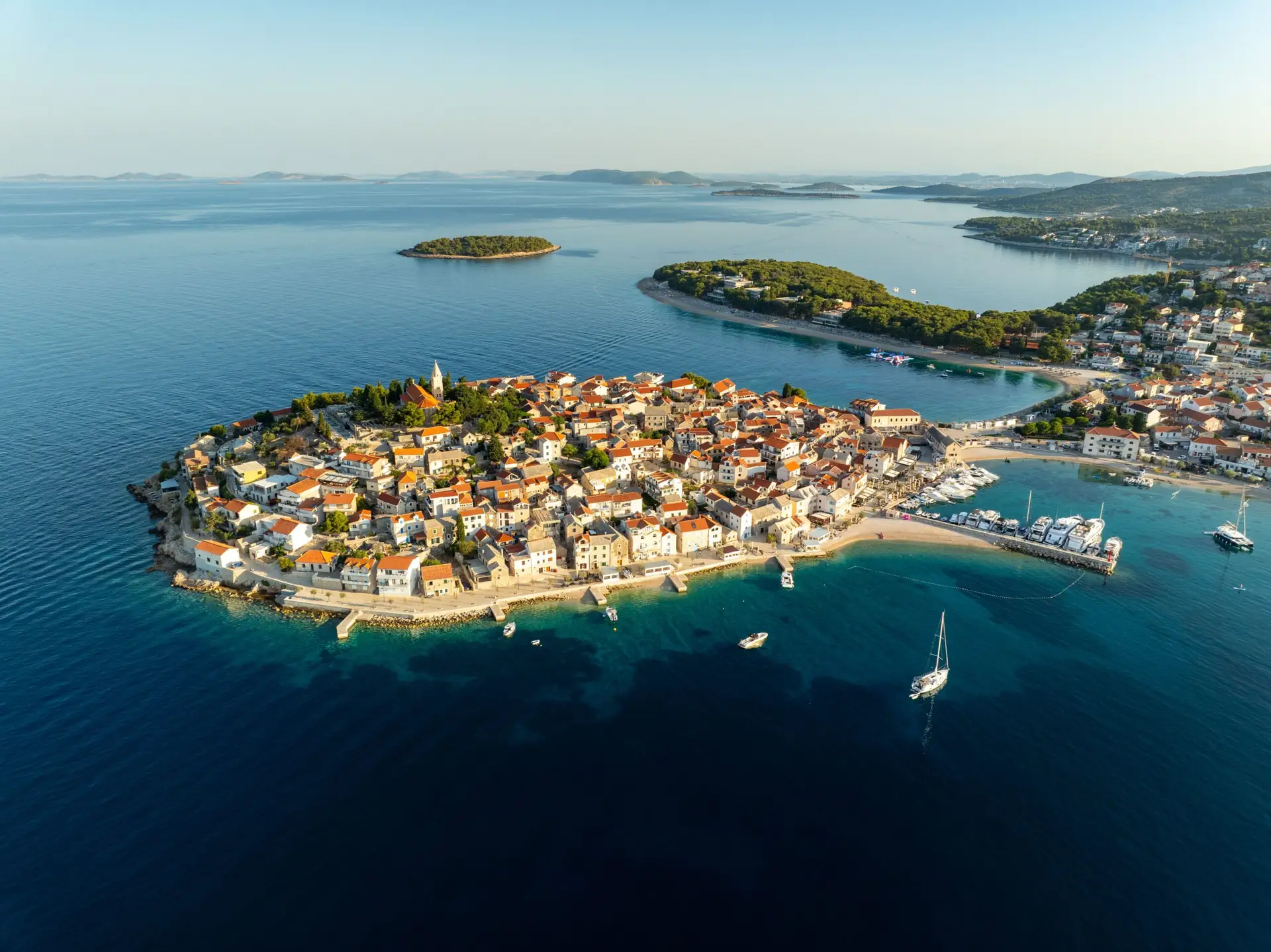
Croatia’s islands offer distinct experiences suited to different travel priorities, from lively nightlife and historic towns to quiet nature escapes. Hvar combines Venetian architecture with energetic evenings; Korčula offers a calmer, medieval heritage setting; Brač blends beaches, hiking, and watersports; Vis provides remote coves and the Blue Cave; Mljet suits nature-focused, quiet visits.
Choosing the right island depends on priorities such as beaches, culture, nightlife, or nature, alongside practical factors like budget, season, and ferry connections. Short trips benefit from focusing on one well-connected island, while longer itineraries can combine islands with complementary strengths, provided ferry schedules and transfer times are carefully planned.
Croatia’s islands offer markedly different experiences, from lively destinations with historic ports and late-night venues to quieter places known for swimming, walking trails, and local food. There is no single best island for every traveler. The right choice depends on what you want from the trip, how many days you have, when you are visiting, and how much you plan to spend. Your preferred pace and comfort with ferry travel also matter: some islands are straightforward to reach, while others require more planning or connections.
Start by identifying your priorities. For beaches and swimming, consider the kind of coastline you prefer, such as sheltered coves, sandy stretches, or rocky shores with clear water. Travelers drawn to architecture and history may favor islands with well-preserved towns and cultural sites. Nightlife seekers should look at the seasonal range of bars, restaurants, and events, while nature-focused visitors may prioritize hiking routes, quiet villages, and protected landscapes. Food and wine can also shape a decision, particularly for those interested in regional specialties, vineyards, and relaxed meals. Families may value calm swimming spots, convenient accommodation, and activities suited to different ages.
Practical details can narrow the options further. Peak summer brings the warmest swimming conditions and the busiest services, while shoulder seasons may offer a quieter atmosphere but fewer connections and opening hours. Compare accommodation and meal costs, and check whether local buses, taxis, or rental vehicles will be needed once you arrive. Ferry frequency, departure points, and transfer times are especially important on shorter trips: a long journey between islands can take time away from exploring. Visiting more than one island is certainly possible, but it works best when routes align and the schedule leaves room for delays. For a brief stay, choosing one well-connected island—or pairing nearby destinations—can make the trip easier and less rushed.
Hvar and Korčula both combine attractive historic towns, good dining, and opportunities to swim, but their atmospheres differ. Hvar Town is known for Venetian architecture, a handsome main square, and a waterfront promenade lined with cafés and restaurants. From the harbor, boats reach the nearby Pakleni Islands, where visitors can find swimming spots, beaches, and quieter coves. Boat trips are a major part of the experience, while summer evenings bring a lively nightlife scene that can continue late. Travelers who want a slower stay can choose villages elsewhere on Hvar, where the pace is generally more peaceful.

- UP TO 75% COMPRESSION – Maximize your suitcase capacity with our premium compression packing cubes for travel. The cleve…
- REINFORCED PIPING TECHNOLOGY – Unlike flimsy alternatives, these luggage cubes feature a specialized reinforced side str…
- HEAVY DUTY 300D POLYESTER – Crafted for the rigors of travel, our travel packing organizers are made from premium, long-…
Korčula Town offers a more enclosed, medieval setting, with stone lanes and walls that frame a compact old town. Its cultural appeal extends beyond architecture: the island has strong traditions of local wine and food, and restaurants provide an opportunity to sample regional varieties and seasonal dishes. Swimming coves are scattered along the coast, making it easy to combine town visits with time by the water. Compared with Hvar Town in peak season, Korčula often feels more relaxed, although its old town and waterfront can still be busy during popular summer hours.
Accessibility and cost can help determine the better fit. Hvar is a frequent choice on first-time island-hopping routes, with regular connections from Split, though schedules and onward transfers vary by season and destination. Its popularity, upscale venues, and summer demand can make accommodation and dining relatively expensive, especially in Hvar Town. Korčula is also reachable by ferry, but services may require more planning, depending on the departure point and time of year. Prices vary, yet the island can feel less focused on nightlife and premium beach-club spending. Couples may appreciate either island: Hvar for energetic evenings and boat excursions, Korčula for relaxed meals and historic streets. Culture-focused visitors may favor Korčula’s medieval atmosphere, while first-time travelers seeking easy connections and varied activities may find Hvar a convenient introduction to Croatia’s islands.
Brač offers a convenient blend of beach time, outdoor activity, and everyday island life. The town of Bol is the best-known base, close to Zlatni Rat, the distinctive pebble beach whose shape shifts with currents and wind. Its clear water suits swimming, while breezes draw sailors and windsurfers. Elsewhere, accessible resorts sit alongside quieter villages, making it possible to choose between visitor services and a more local atmosphere. For a change from the shore, follow hiking routes up Vidova Gora, the Adriatic islands’ highest peak, for broad views over the coast and neighboring islands. Brač works well for travelers who want varied days without giving up convenience.
Vis has a more remote feel, with clear water, scenic coves, and a slower rhythm than many better-connected islands. Visitors can spend unhurried days swimming, exploring the coastline by boat, or lingering over locally caught seafood and regional wines. Excursions to the Blue Cave on nearby Biševo are a major draw, particularly in summer, when sunlight gives the grotto its vivid blue glow. The trade-off is the longer ferry journey from the mainland, so it pays to check schedules and allow more time for travel. Demand for accommodation and boat trips can also rise sharply in peak season; booking ahead helps secure preferred dates and excursions.
Mljet is the strongest choice for a quiet, nature-centered escape. Much of its appeal lies within Mljet National Park, where saltwater lakes, wooded paths, and shaded forests invite visitors to slow down. Walking and cycling are rewarding ways to explore the park, with routes passing peaceful waterfronts and viewpoints. The island’s calm setting suits travelers who value fresh air and time outdoors over a tightly planned itinerary. While there are villages and places to eat, Mljet is less suited to anyone seeking nightlife, extensive shopping, or a packed schedule of headline attractions. Choosing among these islands depends on the balance desired: Brač for variety and access, Vis for secluded coves and excursions, or Mljet for restorative time in nature.
Choosing an island is easier when you start with the experience you want rather than a list of supposed winners. Hvar suits travelers seeking lively evenings, stylish waterfront restaurants, and polished coastal scenery. Its mix of dining and coastal views suits travelers seeking an energetic base. Korčula offers a stronger sense of heritage, with a handsome old town and a calmer, town-based stay.
Brač provides a convenient balance of beaches and activities. Vis is better suited to travelers who value a more remote feel and want time for boat outings and secluded coves. Mljet appeals to those drawn to national-park landscapes, forested paths, and a quieter pace. On each island, choose a base close to the activities that matter most; distances and transport options can make a nearby village more useful than a famous address.
Before booking, check current ferry routes and seasonal timetables, since services and frequencies can change through the year. Confirm whether your preferred island is reached directly from your arrival point or requires a transfer, and allow buffer time for connections. If you are traveling in peak summer, reserve popular crossings and accommodation in advance. Shoulder season can bring fewer crowds and a more relaxed visit, though some services or businesses may operate less frequently.
For a short stay, select one island that matches your main priority—for example, Hvar for evenings, Korčula for history, or Mljet for quiet nature—and avoid spending limited time in transit. With a longer trip, combine two or three islands with distinct strengths, such as Brač for beach activities followed by Vis for boat excursions, while checking that ferry links fit your dates. Use pairings as starting points. The right choice is the island, or combination, that supports your pace, interests, and practical travel plans; no single destination is best for every itinerary.