
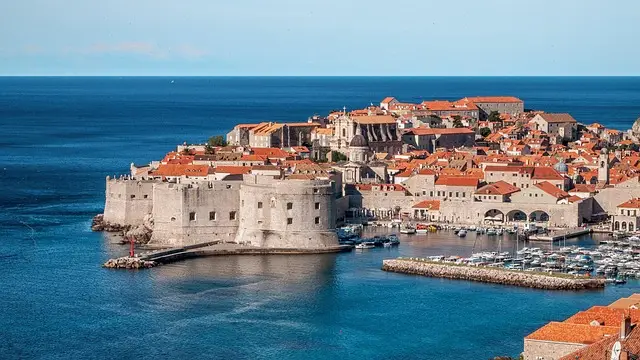
Planning a first visit to Dubrovnik’s Old Town involves deciding between one or two days based on personal priorities rather than the area’s size alone. One day suits travelers focused on main landmarks like Pile Gate, Stradun, the Rector’s Palace, and the city walls, while two days allow for museums, quieter lanes, and leisurely meals.
The guide addresses practical factors including seasonal crowds, summer heat, uneven walking surfaces, and the one-to-two-hour city walls walk. It recommends starting early, pacing activities around midday heat, and extending stays beyond two days only for additional excursions like Lokrum Island or Mount Srđ, concluding with a brief FAQ section.
For most first-time visitors, one full day is enough to see Dubrovnik’s Old Town highlights. You can walk the main streets, visit key landmarks, pause for a meal, and take in the historic centre’s atmosphere without rushing constantly. If you have two days, the experience can be more relaxed: you can linger over meals, explore museums, take breaks, and return to places you particularly enjoyed. The best length depends on what you hope to do, rather than on the Old Town’s size alone.
Allow for your arrival and departure times, walking pace, travel season, and mobility. A day that begins after a late arrival or ends with an early departure may offer only a few practical hours for sightseeing. In summer, heat and heavy visitor numbers can slow progress, while queues for popular attractions may take longer than expected. The Old Town is compact, but its steep steps and uneven routes can make walking more demanding than a map suggests. Build in time to rest, especially if you are travelling with children or have limited mobility.
Also decide whether your plans extend beyond the historic centre. Walking the city walls takes additional time and may involve waiting at busy periods; nearby beaches, swimming breaks, or a day trip require still more. One full day can work well if your priority is the Old Town itself and you keep the itinerary focused. Two days are preferable if you want to combine the main sights with the walls, museums, and time by the water. Remember that time spent inside the Old Town is not the same as time needed to experience Dubrovnik more broadly. For a first visit, treat one day as a useful minimum for the central highlights, and choose two if you value flexibility over fitting everything into a schedule.
Begin early at Pile Gate, before the Old Town’s busiest hours, and follow Stradun, the broad main street, toward its eastern end. This gives you a useful orientation and leaves room to pause in the smaller lanes and squares branching off the route. There is no need to visit every landmark: choose the places that interest you most, and allow time simply to look around rather than treating the day as a checklist.
Several central sights fit naturally into a first-day walk. The Rector’s Palace offers a look at Dubrovnik’s civic history, while the nearby Dubrovnik Cathedral is worth entering if you would like to see its interior and treasury. The Franciscan Monastery, close to Pile Gate, is another appealing stop, known for its cloister and historic pharmacy. Opening hours and queues can affect how much you manage, so check current details and adjust your route as needed. A relaxed lunch break, followed by coffee or a pause at a viewpoint, will make the day feel less rushed.
Walking the city walls is a major attraction and generally takes around one to two hours, depending on your pace and how often you stop for photographs or views. Consider going early or later in the day, particularly during warmer months, when the exposed route can feel hot and crowded. If you also plan to visit several museums, enjoy a long sit-down meal, or spend substantial time shopping, you may need to choose priorities or extend your stay beyond one day. The Old Town’s stone paving and stairways can be uneven and tiring, so wear comfortable shoes and carry water. With a focused route and a few unplanned pauses, one day can provide a rewarding introduction without requiring you to see everything.
A second day in Dubrovnik’s Old Town is most valuable for travellers who would rather explore than simply tick off the main sights. It gives time to visit several museums, follow quieter lanes away from the busiest routes, and stop for meals without watching the clock. The extra hours also make it easier to experience the historic centre at different times of day: morning can feel calm, while evening brings a distinct atmosphere as visitors thin out and the streets take on a softer light. A longer visit is especially welcome in peak season, when queues and crowds can slow progress.
A simple two-day plan is to devote the first day to the principal landmarks and the city walls. Allow time for pauses, since the walls involve steps and exposed sections, and the central sights can be busy. On the second day, take a slower cultural approach: choose a museum or two, wander side streets, and enjoy an unhurried lunch. Add a swim or a short pause along the nearby coast if it appeals, then return to the Old Town in the evening for a different perspective. This structure keeps the visit flexible without making every hour part of a fixed itinerary.
More than two days can be worthwhile, but the extra time usually adds experiences beyond the Old Town itself. A visit to Lokrum Island, time at the beach, a trip up Mount Srđ, or an excursion beyond the city can each fill a day or part of one. These are good reasons to extend a stay, but they are not required to feel that you have seen the historic centre. As a compact guide, allow a few hours for a brief highlights visit, one full day for the core sights, and two days for a comfortable, fuller Old Town visit. Plan three or more days when adding island, beach, or regional excursions.
When planning a visit to Dubrovnik’s Old Town, consider both the season and the time of day. Summer brings long daylight hours, but midday heat and cruise-ship arrivals can make the narrow streets and major sights particularly crowded. Begin early, when temperatures are lower and the lanes are quieter. Around midday, pause in a shaded café, visit an indoor attraction, or return to your accommodation to rest. Later in the afternoon, explore again as the light softens and some day visitors depart.
Spring and autumn often provide more comfortable conditions for walking, with milder temperatures and fewer intense crowds than peak summer, though busy periods can still occur. Winter may feel quieter, but daylight hours are shorter and some attractions or businesses may operate reduced schedules or close seasonally. Before setting out, check current opening hours, weather forecasts, and ticket arrangements for the city walls and other attractions. Do not assume that tickets will be available at the entrance or that every site follows the same seasonal timetable.
Is one day enough for Dubrovnik’s Old Town? Yes. One day is enough to see the main sights if you prioritise and allow time for breaks rather than trying to fit in everything.
How long does the city-wall walk take? Usually about one to two hours, depending on your pace, stops for views, and crowd levels.
Can the Old Town be seen in half a day? It can be visited as a highlights stop, but half a day is limited, especially if you include the walls.
Is Dubrovnik walkable? The centre is compact, but expect many steps, uneven paving, and sloping streets. Comfortable shoes are useful, and visitors with mobility needs should plan routes carefully.
Should visitors stay overnight? Staying overnight makes it easier to explore early and return in the evening, with less pressure to rush between sights. Allow one full day at minimum; choose two if you want to enjoy the Old Town rather than simply check off its attractions.
