
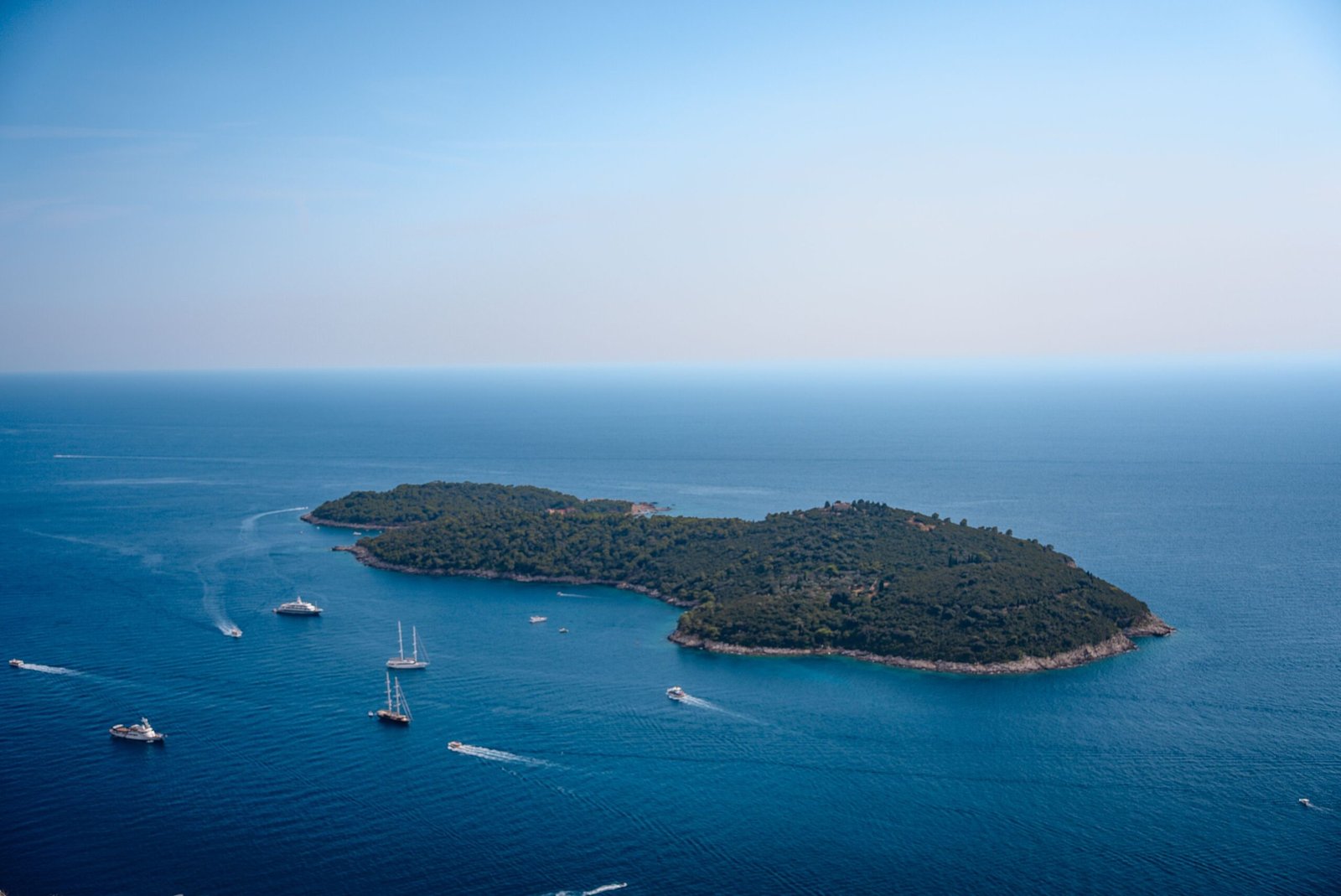
Croatia’s Adriatic islands vary widely in character, from lively, well-connected destinations to remote, quiet retreats. Hvar offers nightlife, dining, and historic sights; Brač features Zlatni Rat beach and traditional stone villages; Korčula combines a medieval old town with vineyards and accessible coves; Vis provides a remote, slower-paced experience with notable food culture.
Mljet centers on protected nature with saltwater lakes for swimming and cycling, while Rab balances sandy, family-friendly beaches with a historic town and walking paths. Choosing an island depends on desired pace, activities, and logistics, since ferry schedules, accommodation availability, and seasonal crowds vary significantly between peak summer and shoulder months.
Croatia’s Adriatic islands range from large, populated destinations with historic towns and regular transport to small, sparsely settled places where days revolve around swimming and quiet. There is no single best island for every traveler: the right choice depends on whether you value sheltered coves, evening energy, cultural sights, walking and cycling, child-friendly shorelines, or the possibility of staying for a week or longer. Before choosing, consider the pace you want as well as the attractions. A destination that suits a short sightseeing stop may feel inconvenient for an extended holiday, while a remote island can be rewarding if limited services and slower connections fit your plans.
Seasonality matters: in July and August, ferry reservations, rooms, restaurants, and popular beaches can fill quickly, and prices generally rise. Shoulder months often bring milder conditions and fewer crowds, although some seasonal businesses reduce hours or close. Check ferry and catamaran schedules for your dates rather than assuming frequent service; routes vary, and crossings may be less convenient outside peak months. Larger islands tend to have more connections and services, while smaller islands can require careful timing and advance planning. If you are combining destinations, verify whether a direct sailing exists or whether you must return to the mainland to transfer.
Compare practical details alongside scenery. Check total travel time from your arrival point, how often boats run, and whether local buses, taxis, or rental vehicles can take you where you want to go. Some islands are easiest to explore by car, while others have compact settlements and walking routes. Beach conditions also differ: look for sandy, pebbled, or rocky shores, shade, shallow entry, and nearby facilities to match your needs. Families may prioritize calm water and services; active travelers may prefer hiking, cycling, or water sports. Finally, consider accommodation availability and summer crowds. These criteria help match an island’s character and logistics to your itinerary, budget, and preferred pace.
Hvar combines dramatic coastal scenery with a well-developed dining and nightlife scene, making it a strong choice for travelers who want more than beach time. In Hvar Town, polished stone lanes wind past historic squares, Venetian-era architecture, and the hilltop fortress, while waterfront restaurants serve Dalmatian seafood and local wines. After sunset, bars and clubs bring a sociable energy that is especially pronounced in summer. Boat trips connect the town with the Pakleni Islands, where pine-fringed coves offer clear water and quieter places to swim. Visitors seeking a slower pace can stay in villages such as Stari Grad or Jelsa instead.

Brač offers a different balance: its best-known resort Bol pairs an attractive harbor with access to Zlatni Rat, the distinctive pebble spit whose shape shifts with currents and wind. It is a prime spot for swimming, sunbathing, windsurfing, and other water sports, though the beach can feel busy in high summer. Beyond the coast, Brač’s stone-built settlements show a more traditional side of island life. Explore villages such as Škrip and Pučišća, or head inland for hiking across dry hills and scenic viewpoints. The island’s varied landscapes make it appealing to visitors who want active days as well as time by the sea.
Both islands are popular, so planning matters from June through September, when ferries are frequent but accommodation and boats fill quickly. Reserve transport and lodging early for peak dates, and expect crowds at beaches and waterfront areas. Hvar and Brač are reached by passenger and car ferries from ports; schedules vary by season, so check timetables before fixing connections. Buses and taxis serve towns, but a rental car or scooter makes beaches and villages easier to reach. Choose Hvar Town for nightlife and excursions, a quieter village for evenings, or Bol for beach days and watersports.
Korčula suits travelers who want history and local character alongside easy opportunities to swim. Its compact old town is enclosed by stone walls, with narrow lanes, Gothic and Renaissance buildings, and views across the channel. St. Mark’s Cathedral and the town museum offer a closer look at the island’s artistic and maritime past, while cafés and small shops keep the center lively without losing its traditional feel. Beyond town, villages such as Lumbarda are known for vineyards and Grk wine, and the surrounding coves provide sheltered places for a refreshing dip. The island’s blend of heritage, food, and accessible beaches makes it a comfortable choice for a relaxed, well-rounded stay.
Vis offers a more remote-feeling experience, shaped by its position farther from the mainland and a quieter pace of development. Historic settlements include Vis Town, with layers of Greek, Roman, and Venetian history, and Komiža, a working fishing town with a strong maritime identity. Clear-water bays, including Stiniva and the Blue Cave area on nearby Biševo, are highlights of boat excursions, though popular sites can be busy in peak season. On land, visitors can explore vineyards and family-run restaurants, where locally caught fish, seasonal produce, and regional wines are central to the food culture. Vis is especially appealing to travelers who value scenery, swimming, and unhurried evenings over a packed schedule.
The islands differ in access and infrastructure. Korčula is reached by ferry from several mainland ports, and its towns and accommodation options make it relatively straightforward to organize a short visit. Vis is served by ferry from Split; the longer crossing and limited connections mean visitors should check schedules and allow flexibility, particularly when linking it with other islands. Services are available, but distances between bays and settlements can make a car, scooter, or boat trip useful. Choose Korčula for medieval streets, wine country, and convenient variety; choose Vis for a quieter, more exploratory escape with memorable boat outings and a distinctive local table. Both reward travelers willing to slow down and spend time beyond the main waterfront.
Mljet offers a quieter alternative to Croatia’s more frequented islands, with much of its appeal rooted in protected nature. In Mljet National Park, wooded trails lead through Mediterranean forest to Veliko and Malo Jezero, two saltwater lakes suited to swimming, kayaking, and gentle cycling. A small island monastery adds a cultural stop to the landscape. Outside the park, the island remains rural and spread out, so a car or bicycle can make it easier to reach coves and villages. Mljet suits visitors who value outdoor exploration and unhurried days more than a packed schedule of nightlife or landmark-hopping.
Rab combines a different kind of escape: sandy beaches, pine-shaded walking routes, and a welcoming old town. Lopar is known for shallow, sandy bays that can work well for families, while the historic town of Rab offers stone streets, churches, cafés, and harbor views. The island’s forested peninsula also provides paths for walking and cycling, making it possible to balance beach time with light activity. For other interests, Brač has varied beaches and watersports; Vis appeals to travelers seeking a more remote feel and a strong food culture; and Hvar offers sailing, lively towns, and quieter inland routes away from its busiest waterfronts.
Island choice depends on travel time and preferred pace. Check ferry and catamaran timetables before booking, since routes, frequencies, and seasonal services vary, and some connections require a mainland transfer. In peak summer, reserve accommodation early, especially on smaller islands where options are limited; shoulder-season visitors should confirm which restaurants, buses, and activities remain open. A short trip may be simplest with one island, while a longer stay can pair places with complementary character rather than attempting too many stops. Follow marked paths, respect park rules, take rubbish away, and avoid disturbing wildlife or damaging fragile coastal habitats. On beaches, use established access points and leave natural features in place.
When Is the Best Time to Visit the Croatian Islands?
Late spring and early autumn are wonderful times to explore. May, June, and September often bring warm days, pleasant swimming, and fewer crowds than July and August. High summer is lively and sunny, but ferries and popular beaches can be busy, so book accommodation and transport ahead.
How Do You Get Between the Islands?
Passenger ferries and catamarans connect many islands with coastal cities such as Split, Dubrovnik, and Zadar. Some routes operate year-round, while others run more frequently in summer. If you plan to bring a car, check which boats carry vehicles and reserve early. Timetables can change by season, so confirm details close to your travel date.
Which Islands Should First-Time Visitors Consider?
Hvar is known for sunny waterfront towns and lively evenings, while Brač offers famous Zlatni Rat beach and a relaxed island feel. Korčula charms visitors with historic streets and wine country, and Vis is a rewarding choice for quieter coves and a slower pace. Each island has its own character, so choose based on the kind of holiday you enjoy.
Can You Visit the Islands Without a Car?
Yes. Many visitors arrive by ferry and get around by bus, taxi, bicycle, or on foot. In towns, walking is often easiest, and organized boat trips can reach beaches and nearby islets. A car can be useful for exploring larger islands, but it is not essential everywhere. Check local transport options before choosing where to stay.
What Should You Pack for an Island Holiday?
Bring comfortable walking shoes, swimwear, sun protection, and a light layer for breezy evenings. Water shoes are handy on rocky beaches, which are common along the Adriatic coast. Carry some cash for small purchases, and pack any essentials you may need on less populated islands. Most importantly, leave room in your plans for a leisurely swim, a waterfront meal, and a little spontaneous exploring.