
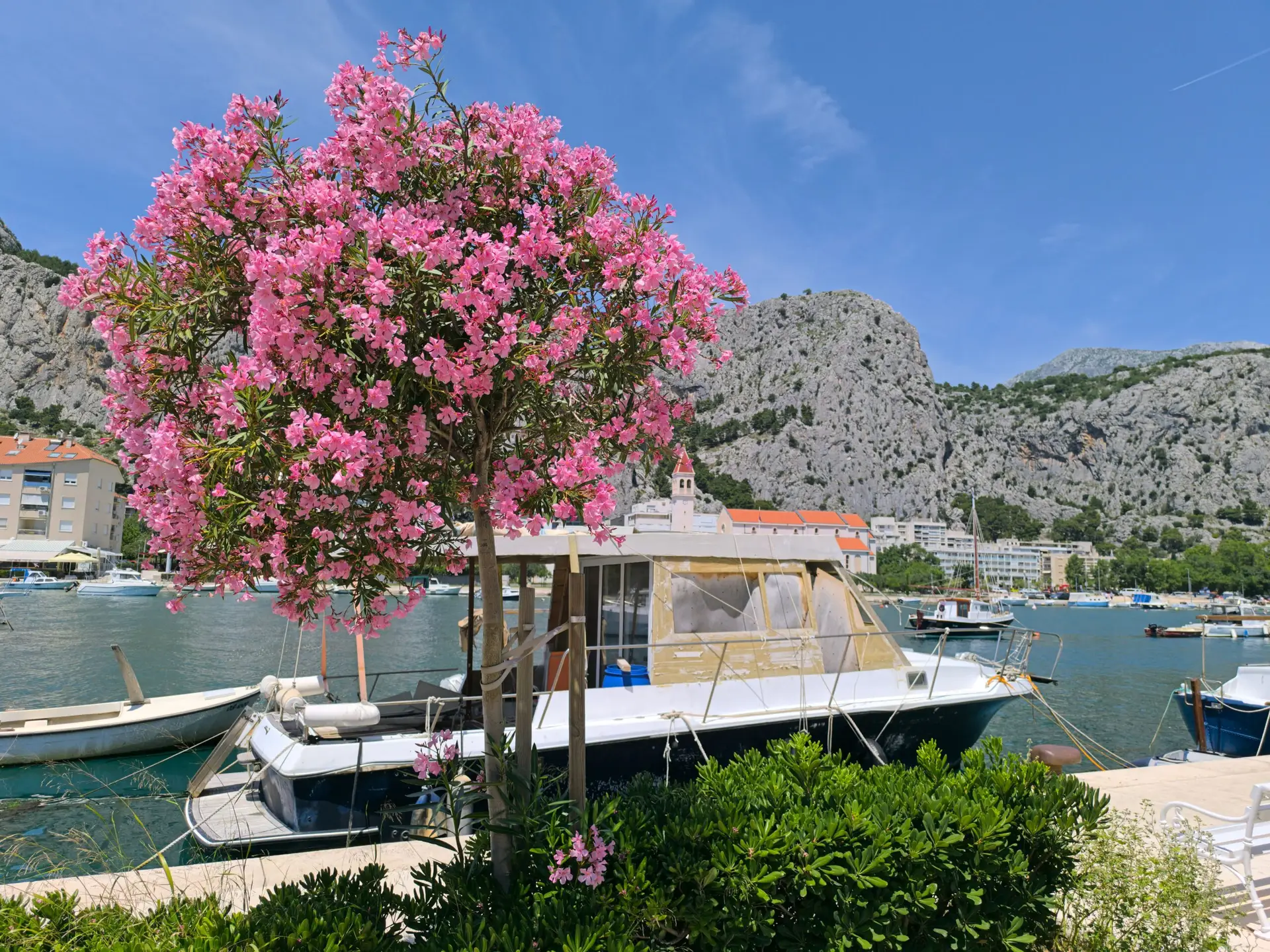
Why Croatia’s Coast Is Drawing More Retirees Than Ever
Croatia has quietly become one of Europe’s most practical retirement destinations — not just a scenic backdrop for postcards, but a place where your pension actually stretches far. The cost of living sits well below most Western European capitals, healthcare is accessible, and the Adriatic coastline offers over 1,200 islands, clean air, and a Mediterranean pace of life that’s genuinely hard to replicate elsewhere.
For EU citizens, relocating is relatively straightforward. Non-EU retirees — Americans, Australians, Canadians — can apply for a temporary residence permit renewed annually, provided they show sufficient income and health insurance. Property ownership rights for foreigners are clearly defined and legally protected. The process of buying involves obtaining an OIB tax number, signing a preliminary contract (predugovor), and completing formal ownership registration through uknjižba in the land registry.
The real question isn’t whether Croatia works for retirement. It’s which coastal town suits your lifestyle.
Best Coastal Towns for Retiring in Croatia
Rovinj — Istria’s Most Livable Gem
Rovinj consistently tops expat and retiree lists, and the reasons are obvious the moment you walk its cobblestone old town. It’s walkable, culturally rich, and has a functioning year-round community — not a seasonal ghost town that empties in October.
The town has solid infrastructure, including a general hospital in nearby Pula (25 minutes by car), good supermarkets, and reliable connections to Trieste and Zagreb. Italian influence is strong here — many locals speak Italian fluently, which eases the transition for many Western European retirees.
Property prices in Rovinj are among the highest in Istria, ranging from €3,500 to €6,000+ per m² for renovated stone houses in and near the old town. Quieter inland villages around Rovinj offer significantly lower entry points around €1,500–2,500/m² while keeping you within 10 minutes of the coast.
Šibenik — The Underrated Dalmatian Choice
Šibenik doesn’t get the same attention as Split or Dubrovnik, and that’s precisely its advantage. It’s a real city with 46,000 residents, two UNESCO World Heritage sites, a functioning hospital, and a quality of life that doesn’t come with an inflated price tag.
The old town perched above the St. Anthony Channel is genuinely beautiful — less touristy than Dubrovnik, more manageable than Split. You’re 45 minutes from Split airport and close to Krka National Park. Island connections to Prvić and Zlarin run year-round, giving you that island lifestyle without total isolation.
Apartment prices in Šibenik’s old town hover around €2,500–3,800/m². For a detached house with a garden in the wider municipality, expect €180,000–350,000 depending on sea views and renovation status.
Opatija Riviera — The Northern Adriatic for Comfort Seekers
Opatija is where Austro-Hungarian aristocracy once came to recover. Today, it attracts retirees who want urban comforts without sacrificing sea views. The Riviera — stretching through Lovran, Ičići, and Medveja — offers a temperate micro-climate, excellent medical infrastructure (Rijeka, Croatia’s third-largest city, is 15 km away), and a promenade (Lungomare) stretching 12 km along the coast.
This area also has the best connectivity in coastal Croatia — direct highway to Zagreb (2 hours), close to Trieste (1 hour), and Rijeka Airport nearby. For retirees who want to travel frequently or receive family visits, this matters enormously.
Properties here range widely: a renovated villa in Lovran can reach €5,000/m², while apartments in Ičići or Opatija’s back streets remain available at €2,800–3,500/m².
Comparing the Top Retirement Locations at a Glance
| Town | Region | Avg. Property Price/m² | Year-Round Community | Nearest Hospital |
| Rovinj | Istria | €3,500–6,000 | Strong | Pula (25 min) |
| Šibenik | Dalmatia | €2,500–3,800 | Very Strong | Šibenik General |
| Opatija / Lovran | Kvarner | €2,800–5,000 | Strong | Rijeka (15 min) |
Each of these towns offers a fundamentally different lifestyle. Rovinj suits those drawn to Istrian culture and proximity to Italy. Šibenik is the value-driven choice for those who want a real Dalmatian city. Opatija is ideal if urban infrastructure and transport links are non-negotiable.
Frequently Asked Questions
Can non-EU citizens retire and buy property in Croatia?
Yes. Citizens from countries like the USA, Australia, and the UK can purchase property in Croatia on the basis of reciprocity agreements. You’ll need an OIB tax number to complete any transaction. Residency requires a separate application — typically an annual temporary residence permit — with proof of sufficient income and valid health insurance coverage.
What is the minimum monthly income needed to retire in Croatia?
Croatia doesn’t publish a fixed minimum for retirement residency, but immigration offices generally expect proof of at least €1,000–1,300 per month in stable income (pension, savings withdrawals, or passive income). This comfortably covers a modest lifestyle outside tourist-heavy areas, including rent, food, utilities, and local transport.
Are there ongoing costs after buying a house in Croatia?
Yes. After purchasing, expect a 3% real estate transfer tax payable once at purchase. Annual costs include communal fees (komunalna naknada), utility bills, and if renting short-term, tourist tax obligations and license requirements. Property maintenance — especially for older stone houses — should also factor into your annual budget planning.