
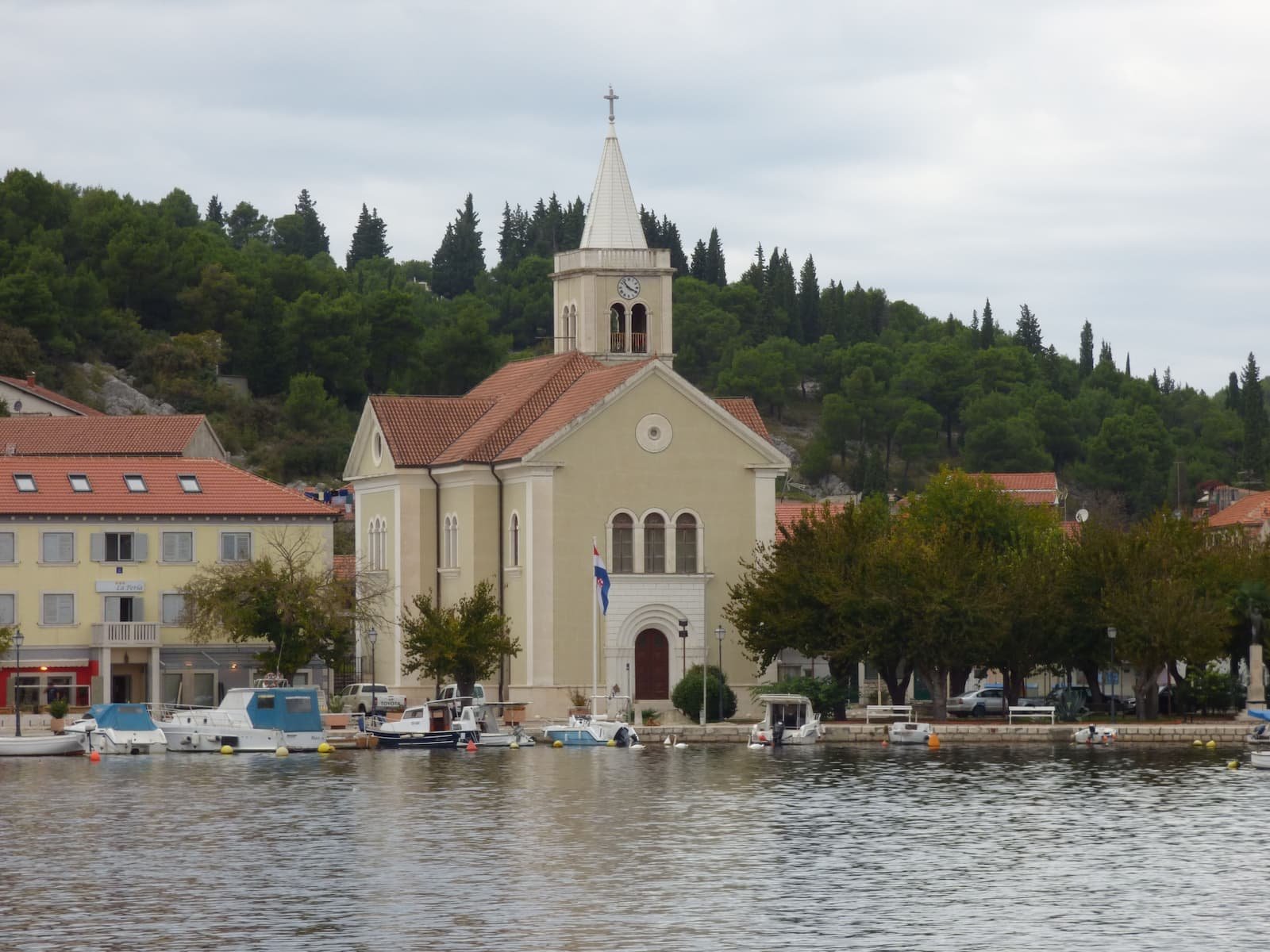
The content identifies five coastal villages in Croatia suited for retirement: Mali Lošinj, Banjol on Rab Island, Pirovac, Primošten, and Mošćenička Draga. Each is evaluated for climate, walkability, healthcare access, and year-round livability, with practical advice on checking hospital proximity, transport links, and winter conditions before choosing a location.
The piece also outlines practical steps for foreign buyers, including obtaining an OIB identification number, verifying property registration through a notary, and understanding residence permit requirements. A comparison table and FAQ section address costs, healthcare accessibility, property purchase rules for EU and non-EU citizens, and the best time to visit before committing to a location.
If you want a calm, affordable, and genuinely livable place to retire on the Croatian coast, the best bets are small towns and villages where the pace stays slow year-round, healthcare and services are within reach, and the sea is part of daily life rather than a summer backdrop. Below are five villages that consistently come up among expats and Croatian retirees alike, each with a different character.
What Makes a Coastal Village Right for Retirement
Not every pretty fishing hamlet suits later life. Winter can be brutally quiet in some places, and a steep stone staircase that charms a tourist becomes a problem at seventy-five. Before you pick a spot, check a few practical things.
- Distance to a hospital or health center (dom zdravlja): ideally within 30 minutes by road.
- Year-round ferry or bus connections, since many island routes cut back sharply after September.
- Walkability: flat access to a pharmacy (ljekarna), grocery store, and post office.
- Local community: a parish, a café where people actually sit, and some neighbors who stay in winter.
The Five Villages Worth Considering
1. Mali Lošinj (Lošinj Island, Kvarner)
Mali Lošinj is a small town rather than a village, but it has the calm that retirees look for. The island is known for its pine forests, its long-established botanical gardens, and a mild microclimate that keeps frost rare. Lošinj also has one of the country’s better-known clinics, and the town is genuinely walkable.
The trade-off is the ferry. Crossings from the mainland are reliable in summer but thinner in winter, so plan your travel with the timetable in hand.
2. Rab Town’s Quieter Neighbors (Rab Island)
Rab Town draws crowds in July, but the surrounding bays and the village of Banjol offer a much gentler setting. Banjol sits on the island’s eastern side with a small pebble beach, quiet lanes, and a slower routine once the day-trippers leave. Rab’s airport and regular ferry links make it one of the more accessible islands for those who still travel to see family.
Property here tends to cost more than on the mainland, so budget carefully and look at older stone houses that already have a land registry (uknjižba) in order.
3. Pirovac (Central Dalmatia, near Biograd)
Pirovac is a practical choice for anyone who wants the Adriatic without isolation. It sits on the mainland side of the Adriatic Highway (magistrala), so getting to Zadar or Šibenik is straightforward. The village has a sheltered harbor, a long promenade, and a mix of Croatian residents and long-stay foreigners.
Its real appeal is the balance. You are close enough to a regional hospital and a proper market, yet the village itself stays quiet outside the summer months. The sea is clean, the air is mild, and the cost of living sits below that of the big islands.
4. Primošten (Šibenik-Knin County)
Primošten is built on a small peninsula, with a medieval old town that climbs toward the church of St. George. It is one of the most photographed villages on the coast, which means it can be busy in season. Outside July and August, however, the streets are calm and the community is steady.
Be realistic about the hill. The old town is steep and stair-heavy, so many retirees choose apartments in the newer, flatter parts of the settlement near the sea, then visit the old town for coffee and the sunset.
5. Mošćenička Draga (Opatija Riviera, Istria)
Mošćenička Draga is a small village on the Istrian coast with a pebble beach, a fishing harbor, and a relaxed rhythm that owes a lot to its location near the more established Opatija Riviera. The Riviera gives you access to hospitals, cultural life, and the Rijeka airport within reach.
The village is compact and sheltered, and the Istrian climate is milder than many expect. Its drawback is occasional bora wind in winter, so check how exposed your property is before you commit.
Quick Comparison
| Village | Region | Best For | Main Drawback |
| Mali Lošinj | Kvarner islands | Mild climate, walkability | Ferry dependence in winter |
| Banjol (Rab) | Kvarner islands | Quiet island life | Higher property prices |
| Pirovac | Central Dalmatia | Value and access | Less dramatic scenery |
| Primošten | Dalmatia | Character and community | Steep old town |
| Mošćenička Draga | Istria / Opatija | Compact and sheltered | Winter bora wind |
Practical Steps Before You Buy or Rent
Foreign residents who plan to stay long-term need an OIB (personal identification number) before any property purchase or contract, and the process for a residence permit depends on your country of origin and income source. Ask a local notary (javni bilježnik) to check the land registry and confirm there are no unresolved inheritance or building permit issues. Some older houses in these villages were built without full permits, so verify that the property is legally registered for residential use.
Frequently Asked Questions
Do I need Croatian citizenship to buy property in these villages?
No. Citizens of EU and EEA countries can buy property freely, while non-EU buyers may need reciprocity checks and additional approvals depending on their nationality.
Which village is cheapest for retirees?
Pirovac and villages on the Dalmatian mainland generally cost less than the larger islands such as Rab and Lošinj.
Is healthcare accessible in small coastal villages?
Most villages have a local health center (dom zdravlja), but for specialist care you will usually travel to a regional hospital in Zadar, Šibenik, Rijeka, or Split.
When is the best time to visit before deciding?
Visit in late autumn or February. This shows you the real winter routine, including ferry schedules, open shops, and how quiet the streets become.
Are there tourist taxes or extra costs for residents?
Tourist tax applies to visitors and short-term rentals, not to long-term residents. Factor in municipal utility fees, communal charges, and annual property taxes when budgeting.
📅 Last updated: