
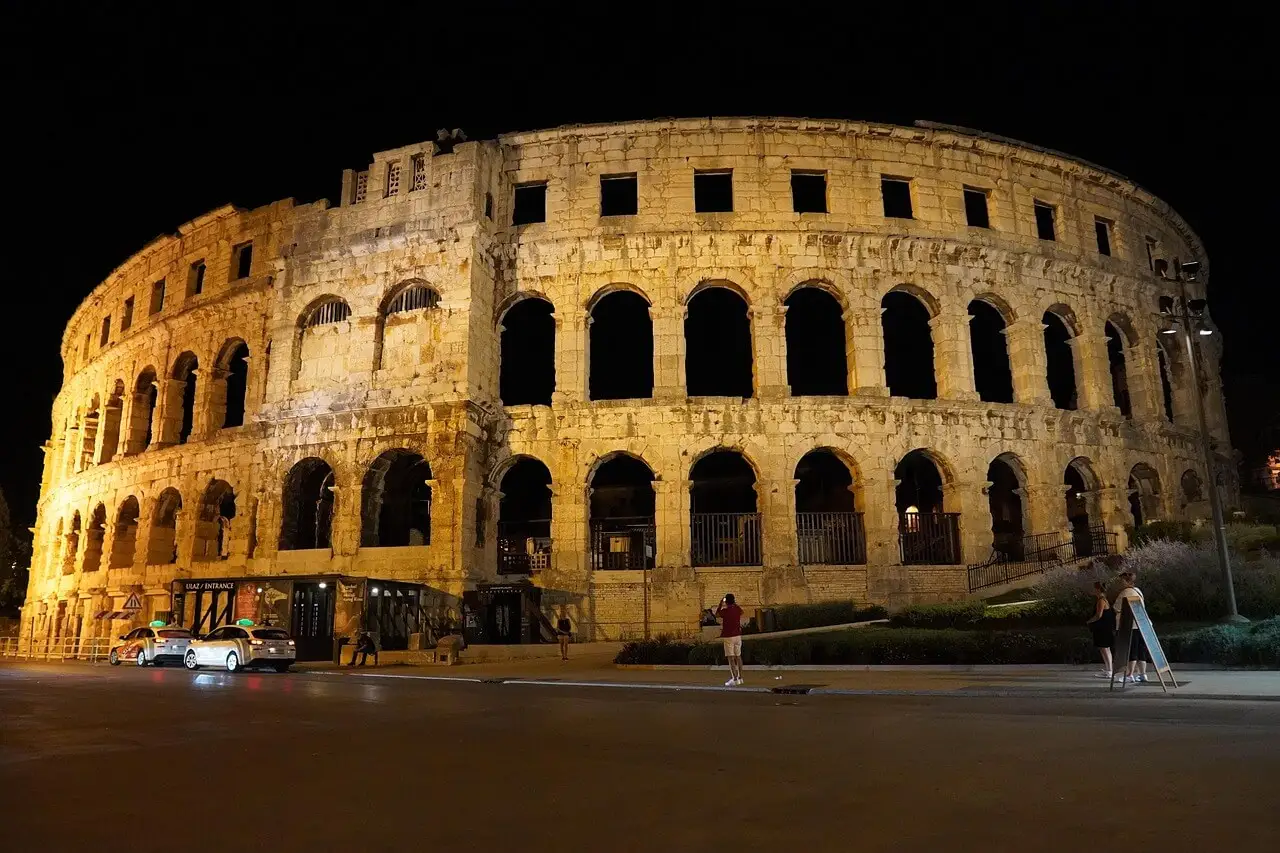
This guide outlines a two-day itinerary for Pula, Croatia, combining its Roman heritage with nearby coastal areas. It suggests spending one day exploring the walkable historic centre, including the Arena, Twin Gates, Arch of the Sergii, and Forum, paired with Istrian cuisine, and devoting the second day to beaches near the Verudela peninsula.
The content details transport options (walking, buses, taxis, or rental car) for reaching beaches several kilometers from the centre, noting that most are rocky or pebbled rather than sandy. It compares specific beaches—Verudela, Ambrela, Hawaii Beach, and quieter peninsula coves—by accessibility and atmosphere, and offers practical advice on timing, seasonal crowds, accommodation choices, and packing essentials for a balanced weekend trip.
Embark on a vibrant two-day journey exploring Pula’s magnificent Roman history and charming Istrian beaches. Perfect for culture enthusiasts and beachgoers alike, this guide offers invaluable insights for making the most out of your weekend trip to the Adriatic coast.
Pula is a practical choice for a two-day escape because its historic centre, working harbour, and nearby swimming spots offer contrasting experiences without requiring a long-distance journey. The centre is compact and largely walkable, making it easy to explore Roman streets and landmarks between meals or during an evening stroll. The Arena is the city’s defining sight, but it is only one part of Pula’s Roman heritage: temples, arches, and fragments of the ancient settlement add depth to a visit that extends beyond a quick photograph. Allow time to look around rather than treating the monument as a brief stop.
The main planning consideration is that the best-known beaches are not clustered beside the old town. Many lie several kilometres south, around the Verudela peninsula and neighbouring stretches of coast. A rental car offers flexibility, particularly for reaching quieter coves, but parking can take time during the busy summer season. Local buses connect the centre with Verudela, while taxis can simplify a return trip; cycling is another option for confident riders, though routes and distances should be checked before setting out. Choose transport based on your preferred beach and the time you want to spend swimming, not just on the map. According to realadriatic.com, over 20% of visitors to the area opt for rental cars for greater flexibility during peak season.
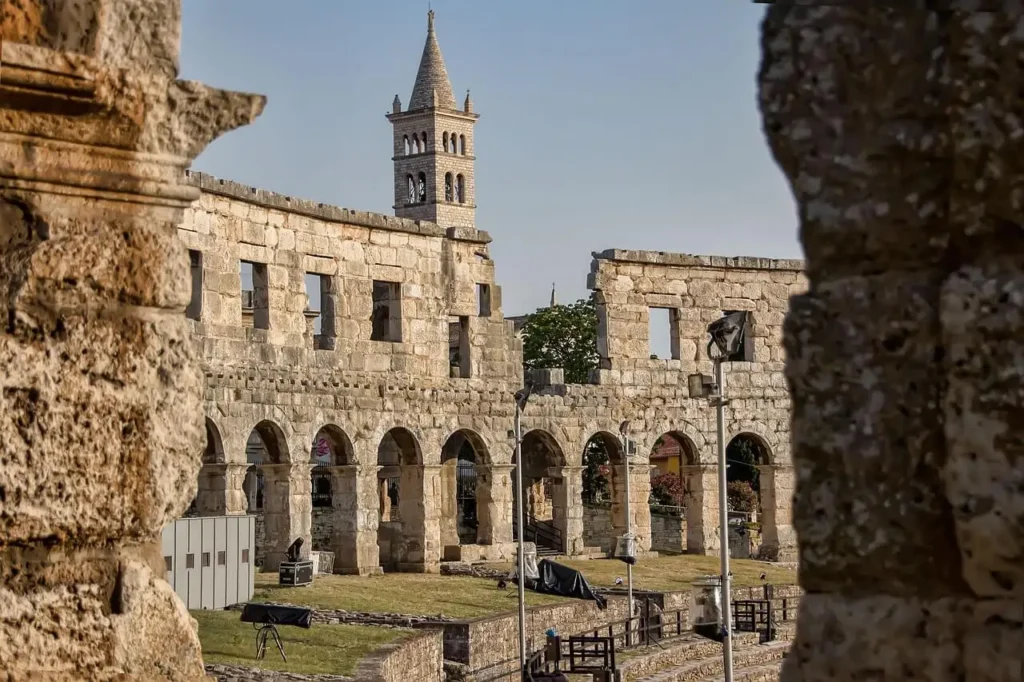
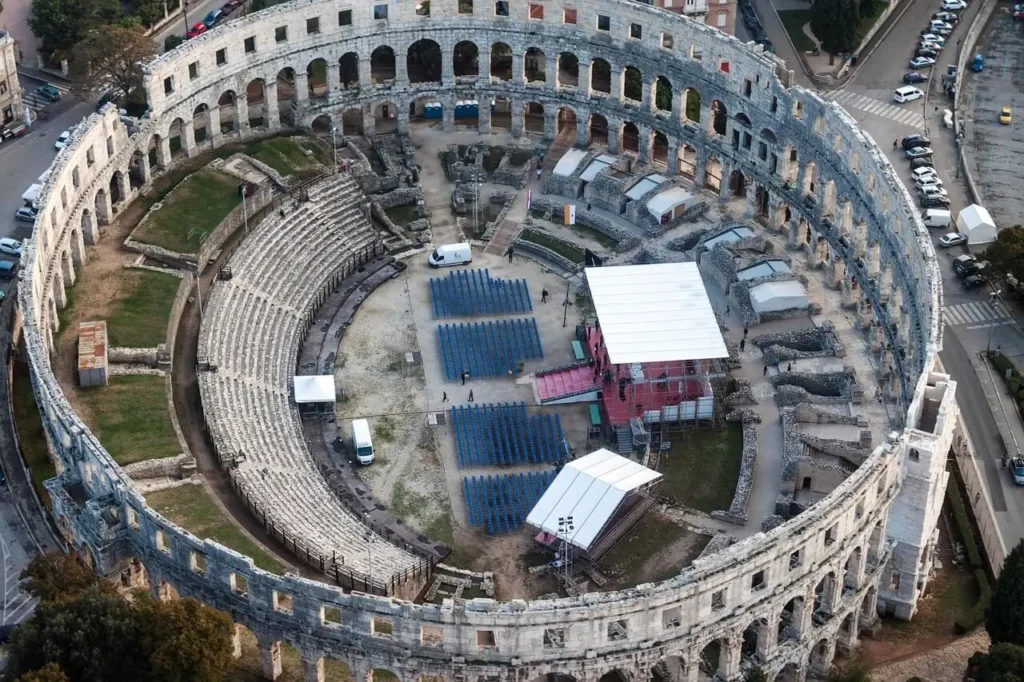
Begin your first day in Pula early at the Arena, when temperatures are cooler and tour groups are less likely to crowd the entrances and passageways. Allow roughly one to two hours to explore the amphitheatre’s interior, including its tiers, underground spaces, and exhibitions, checking which displays are open during your visit. Walking inside offers a different perspective from admiring the Arena’s exterior: you can appreciate its scale, construction, and role as a venue, rather than simply viewing its imposing stone walls from the surrounding streets.

Season also shapes the experience. In peak summer, popular swimming areas may be crowded, and midday heat makes an early start worthwhile. Coastal water is generally clear, but many beaches are rocky or pebbled, so water shoes can be useful; conditions and facilities vary by location. A sensible weekend plan gives one part of the day to the Arena and central sights, and a substantial block to the coast, with enough time for travel and a relaxed meal. Istrian food culture is part of the appeal, from seafood to regional specialities. With realistic timing and suitable transport, Pula can deliver both Roman history and a proper beach visit without feeling rushed.
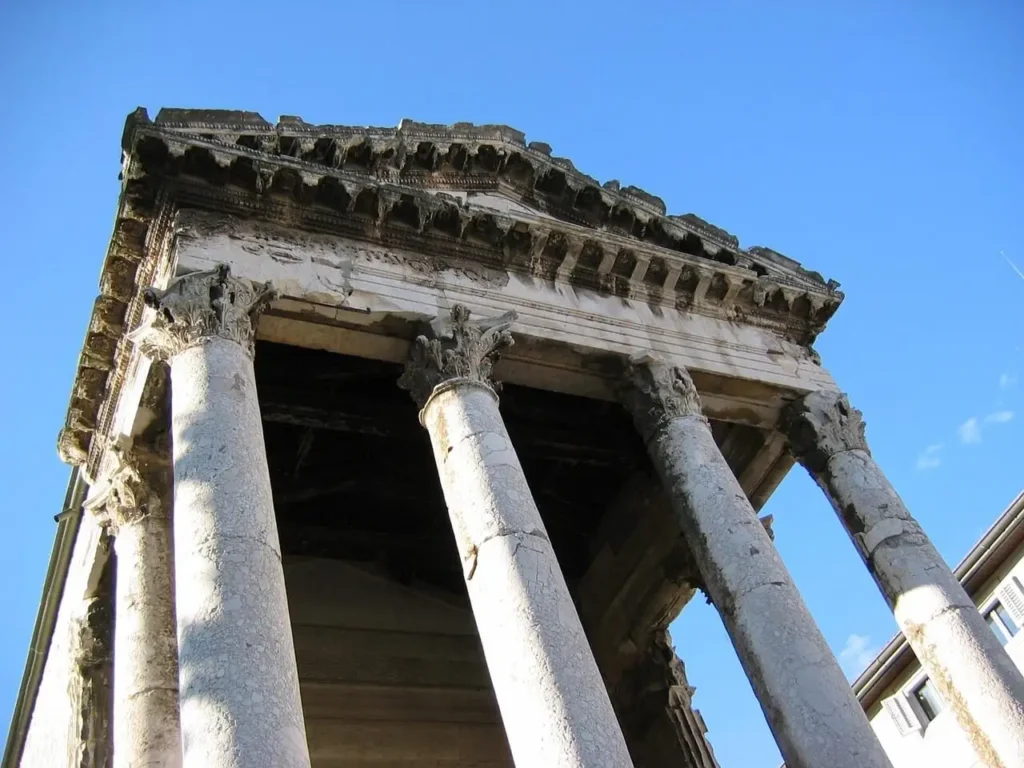
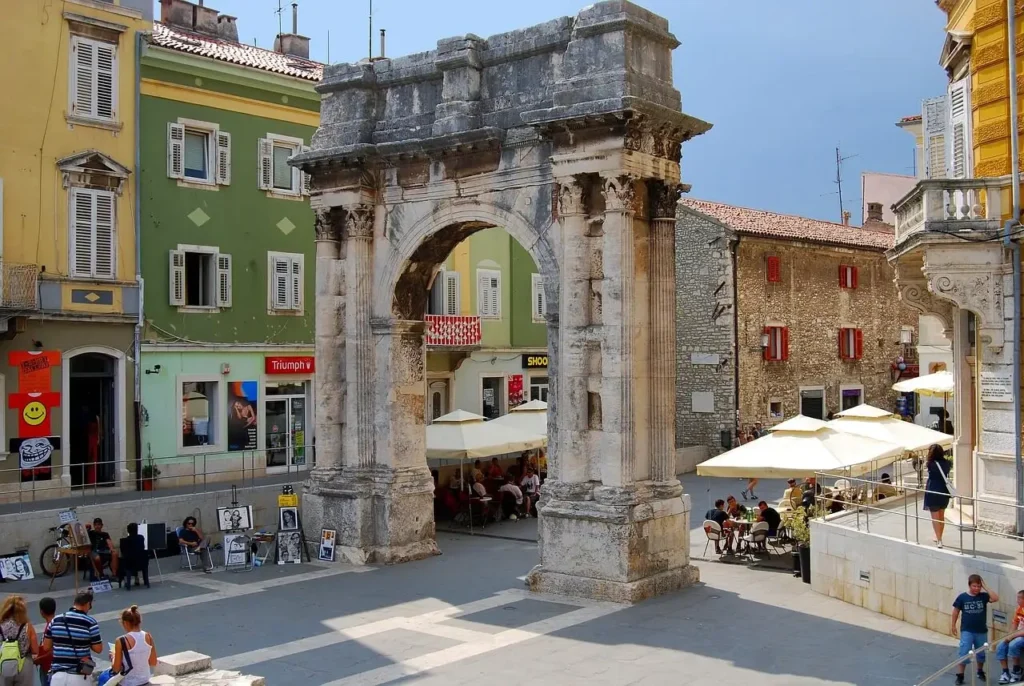
Afterwards, continue on foot into the compact historic centre. A relaxed route can take you past the Twin Gates and onward toward the Arch of the Sergii, then through lively streets to the Forum, where the Temple of Augustus stands. These Roman landmarks are close enough to connect at an unhurried pace, with time to pause for photographs or explore a small museum along the way. There is no need to treat the walk as a checklist; the character of the old town is part of the experience.
Set aside time for lunch and a restorative pause in the centre. Look for menus featuring Istrian specialities: fresh seafood, seasonal vegetables, local olive oil, and regional wine. A shaded terrace or café provides a welcome break, particularly in summer, and lets you enjoy the rhythm of town without rushing between sights. If you prefer a lighter meal, local produce and a glass of wine can make a simple, satisfying stop before the afternoon.
As evening approaches, return to the Forum or stroll toward the waterfront for a change of scene. Choose dinner nearby, or enjoy a pre-dinner walk as the light softens over the harbour and historic streets. Opening times, event schedules, and summer crowds vary, so verify current details for attractions and performances before setting out. Popular restaurants may fill quickly in peak season; reserve ahead when possible, especially if you have a particular place or dining time in mind.
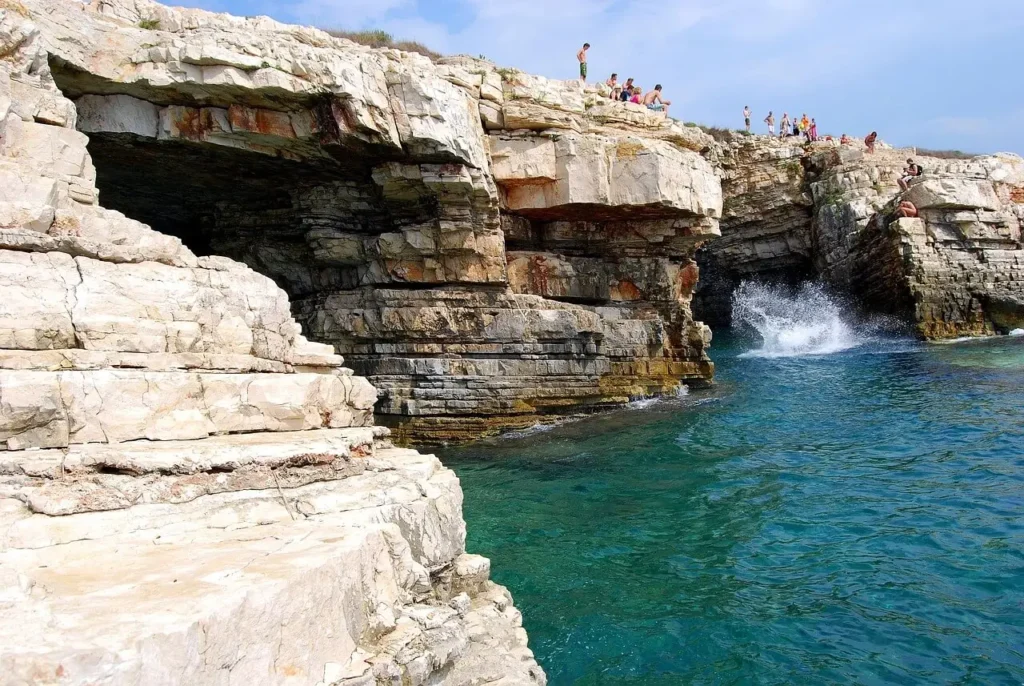
Pula’s coast is shaped more by rocky bathing platforms, sheltered coves and pine-shaded inlets than by long stretches of sand. Some locations have pebble or gravel sections, but sturdy water shoes are useful on uneven rock and when entering the sea. Choose a beach according to the kind of day you want, rather than expecting every spot to offer the same facilities or access.
Verudela: A convenient choice for amenities and straightforward access, making it suitable for visitors who want services nearby. Check what is open during your visit, since facilities can vary by season. Ambrela: Popular and family-friendly, with a well-used swimming area; expect more people at busy times and do not assume shade or lifeguard provision is guaranteed. Hawaii Beach: Dramatic scenery and clear water make it memorable, but access can be steep, and the small cove may feel crowded. Quieter peninsula coves: Better for a calmer, less developed setting if you are willing to walk farther; bring water and expect fewer facilities.
From central Pula, local buses can take you toward the Verudela peninsula, while taxis or a car offer other options. Routes and seasonal frequency may change, so check current bus information before setting out. If driving, allow extra time to find parking, especially on warm weekends. The final approach to some coves may involve steps or uneven paths, which can affect accessibility; confirm conditions if mobility is a concern.
For a more comfortable swim, head to the coast in the morning or late afternoon, avoiding the strongest midday heat. Carry drinking water, sun protection and any supplies you may need, particularly when visiting a quieter cove. Facilities, shade, lifeguard coverage and accessible routes differ by location and season, so check locally rather than relying on assumptions. Before entering the water, look at the sea conditions and follow any posted advice. A simple comparison helps: Verudela prioritises convenience, Ambrela suits families seeking a popular bathing area, Hawaii Beach offers striking views, and the peninsula’s quieter coves reward those prepared to walk.
Keep the weekend simple: spend the first morning and afternoon exploring Pula’s Roman Arena and nearby historic sights, allowing time for breaks rather than rushing between landmarks. Finish with dinner in the centre, where you can choose from restaurants serving Istrian dishes and local seafood. On the second day, set aside a half-day or longer for the coast. Verudela and other nearby bathing spots make it possible to enjoy the water without turning the day into a tightly scheduled excursion. If energy and transport plans allow, return to town for a final meal.
Where you stay can shape the trip. Accommodation near the historic centre is convenient for walking to the Arena, shops, and evening dining. Staying near Verudela makes beach access easier, though you may need transport for sightseeing. Combining both areas is straightforwardest for visitors comfortable using local buses, taxis, or a rental car; check current routes and operating details before relying on a particular service.
Summer generally means hotter weather, more visitors, and busier beaches. Shoulder seasons can feel calmer, but the sea may be cooler and some seasonal services may be reduced. Consider your priorities when choosing dates, and check conditions close to travel.
Frequently Asked Questions
Can I see the Arena and visit a beach in one weekend? Yes. Reserve the first day for the Arena and old town, then use the second for a beach visit. Allow for travel time and breaks.
Does Pula have sandy beaches? Many swimming spots are rocky, pebbly, or paved rather than broad stretches of sand. Water shoes can make access more comfortable.
Do I need a car? Not necessarily. Walking, buses, and taxis may suit your plans, while a car offers flexibility for reaching more distant coves.
When is the best time to visit? Summer suits warmer swimming and a lively atmosphere; spring and early autumn may be quieter, with cooler water or fewer services.
What should I bring for swimming? Pack swimwear, a towel, sun protection, drinking water, and water shoes. A lightweight cover-up is useful between the beach and town.
How can I ensure a stress-free trip? Plan ahead with reliable transport options and reservations for popular dining spots. Balance your activities with relaxation to make the most of your visit.
Are there any local food specialties to try in Pula? Yes, Pula boasts a range of Istrian delicacies, including fresh seafood, olive oil, truffles, and local wines. Be sure to sample these at local restaurants.
📅 Last updated: