
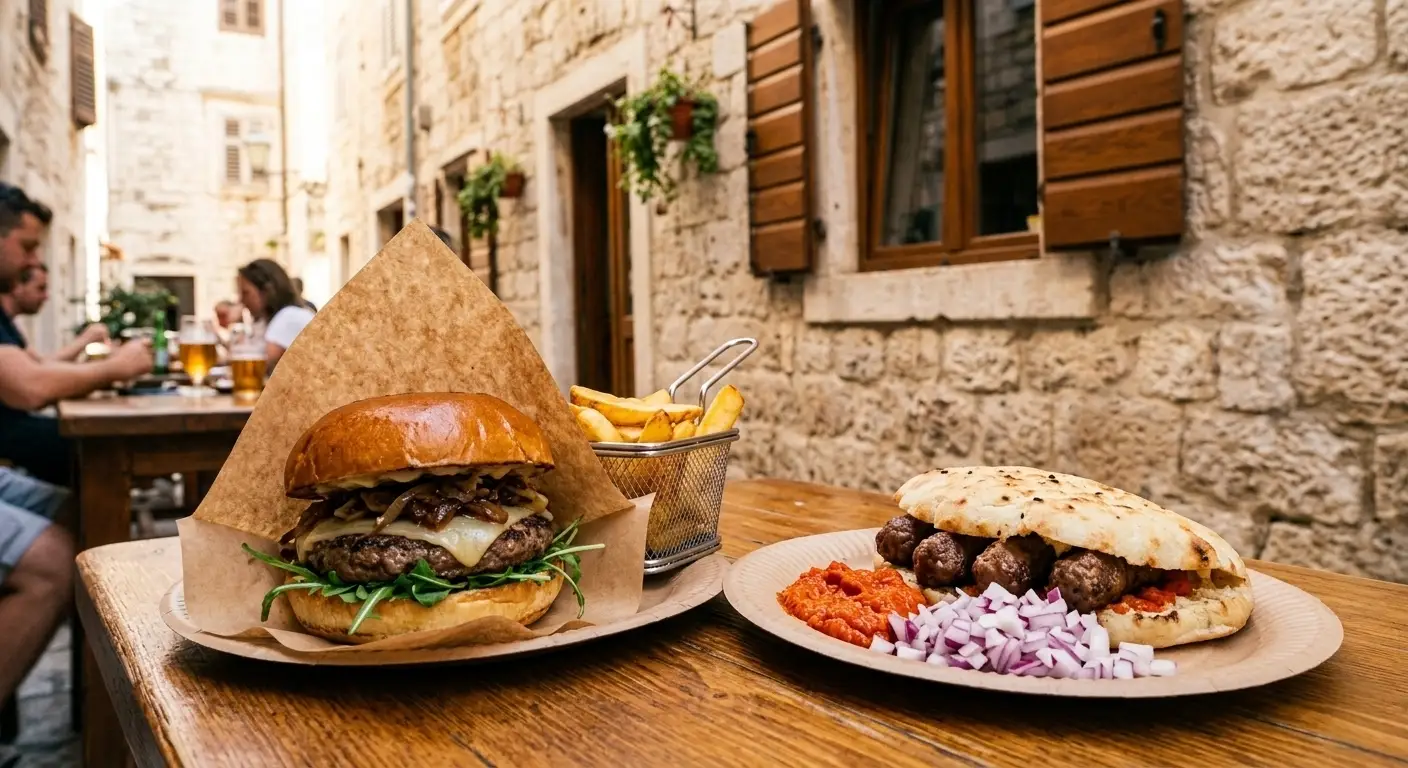
Welcome to a culinary journey through Split, Croatia. This guide is ideal for travelers and food enthusiasts looking to explore the local food culture, highlighting iconic dishes such as burek and ćevapi, and offering tips on how to find the best deals away from tourist hotspots like Diocletian’s Palace.
Split’s everyday food culture blends Dalmatian ingredients like fish and olive oil with heartier Balkan staples such as burek and ćevapi, typically sold at bakeries, grill counters, and markets rather than food trucks. Prices and hours vary by location and season, with better value found a few streets away from Diocletian’s Palace and the tourist-heavy waterfront.
The guide offers practical ordering advice, including useful phrases, payment norms, and questions to ask about ingredients for dietary needs. It details burek’s varied fillings and ćevapi’s typical accompaniments, notes limited vegetarian options, and suggests strategies like sharing portions, checking daily specials, and comparing menus to eat affordably and authentically.
Split’s everyday food culture is shaped by the Adriatic and the wider Balkan tradition of meals that are satisfying, portable, and reasonably priced. Dalmatian cooking draws on fish, olive oil, seasonal vegetables, and herbs, while familiar regional staples such as burek and ćevapi offer a heartier counterpoint. These foods are part of ordinary routines, not merely attractions for visitors. A quick bite might come from a bakery, a grill counter, a market stall, or a casual konoba; dedicated food trucks are not the main format. Looking at where residents pause for lunch can lead you beyond the landmark circuit.
Expect a relaxed but sometimes variable rhythm. Bakeries may open early, while grill counters and smaller eateries can keep different hours depending on the day, season, or local demand. Check posted times and have a backup option, especially outside the busiest months. Portions are often generous, so sharing a dish or asking what comes with it can help you order comfortably. Around Diocletian’s Palace and the waterfront, convenience and tourist foot traffic can mean higher prices. Walk a few streets away from the most crowded lanes to find neighborhood cafés and casual places with more everyday menus and prices.
Ordering is usually straightforward: point to items at a counter, or ask staff for recommendations if you are unsure about portion sizes. For takeaway, say “za van” or simply ask whether the food is available to go. Many businesses accept cards, but smaller stalls and bakeries may prefer cash, so carrying some euros is practical. If you have dietary needs, ask directly about ingredients, fillings, and cooking methods; burek commonly contains cheese or meat, and grilled dishes may be served with bread or sauces. A translation app can help, though a brief, polite question is often enough. Eating casually in Split offers a useful glimpse of daily life beyond its famous sights. According to a recent tourism report, food and drink expenses in Croatia account for about 13% of the total trip budget for most travelers.
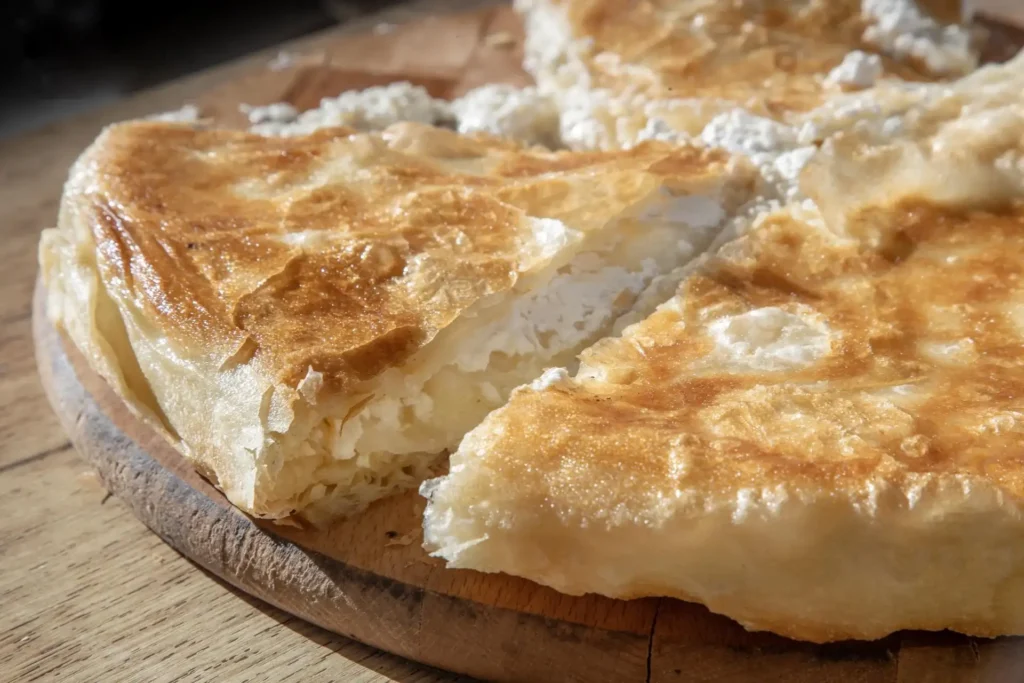
Burek is a flaky, layered pastry found in bakeries across Split, usually made with thin sheets of dough and traditionally filled with seasoned meat. The layers bake to a crisp, golden exterior around a rich, substantial centre, making even a modest slice surprisingly filling. Cheese-filled versions are also common, alongside other regional variations that may include different cheeses, spinach, or combinations of ingredients. Names and recipes are not always consistent: one bakery’s burek may differ from another’s, and local labels can use the same term in different ways. If the filling matters to you, check the display label or ask the staff before ordering.
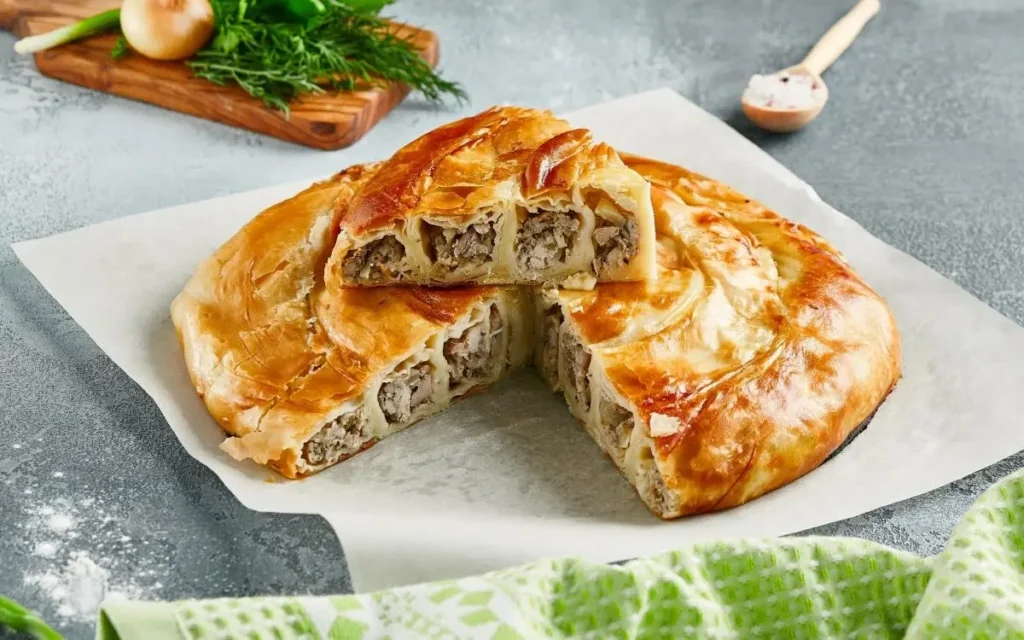
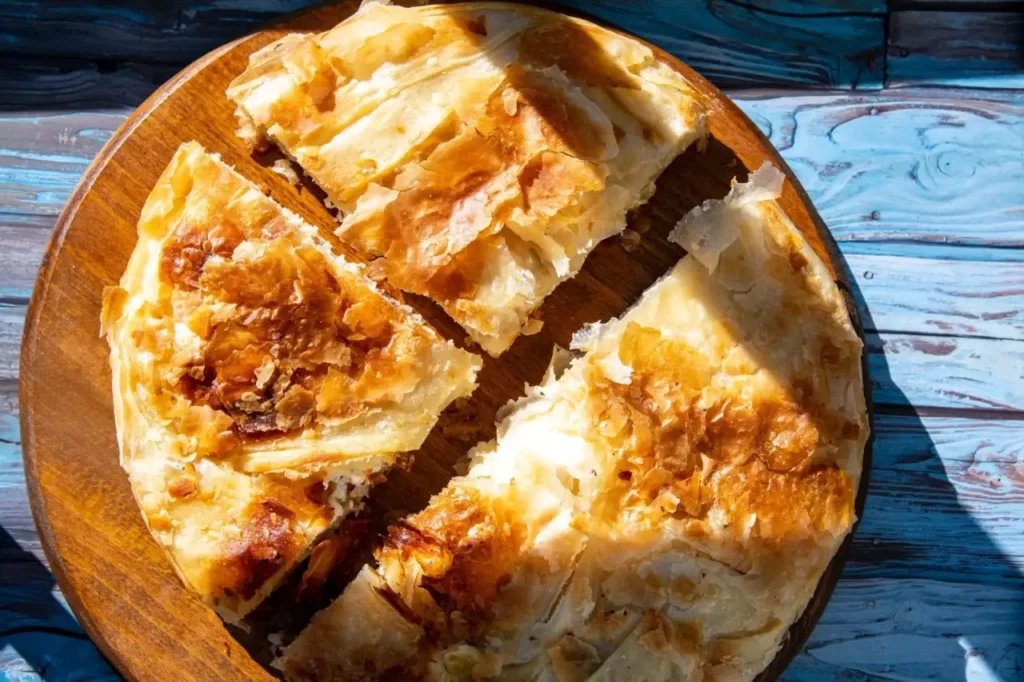
Because it is portable and satisfying, burek works well for breakfast, a quick lunch between sights, or a late snack after an evening out. Many bakeries sell it by the slice or portion, so you can choose an amount that suits your appetite and budget. Look for a fresh batch with crisp pastry and a warm centre; if the tray has been sitting for a while, ask when more is expected. Some shops serve burek with plain yogurt, a cooling, tangy accompaniment that balances the pastry’s richness. Availability varies, but it is worth asking for a small cup if you would like a more complete bite.
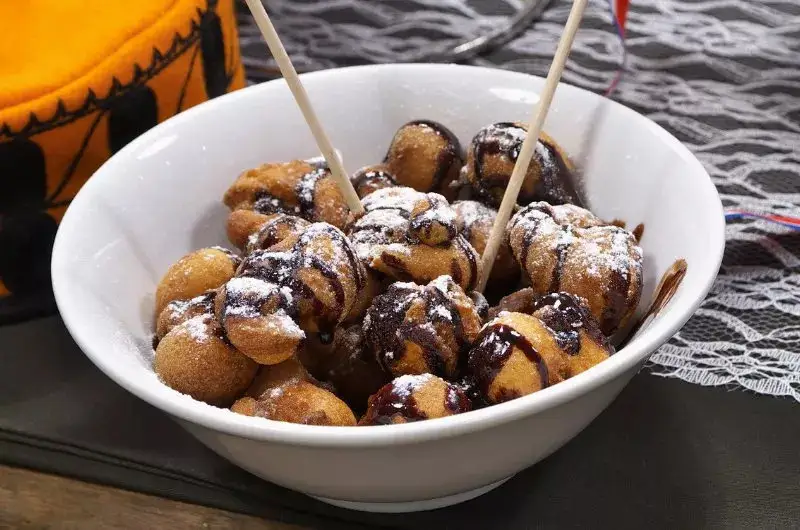
Bakery counters offer plenty beyond burek. Cheese pastries provide a similarly savoury option, while filled rolls and other simple baked snacks are easy to carry along for a walk. For something sweet, look for uncomplicated cakes, biscuits, or small pastries, which can make an inexpensive treat alongside coffee. These bakeries are practical stops when you want a quick, affordable meal without sitting down at a restaurant. Keep the weather in mind, however: a rich pastry can feel especially heavy during Split’s hot summer afternoons. Consider sharing a portion, choosing a lighter filling, or saving burek for a cooler morning or evening. A little attention to freshness, portion size, and filling can turn an everyday bakery stop into a convenient taste of local food.
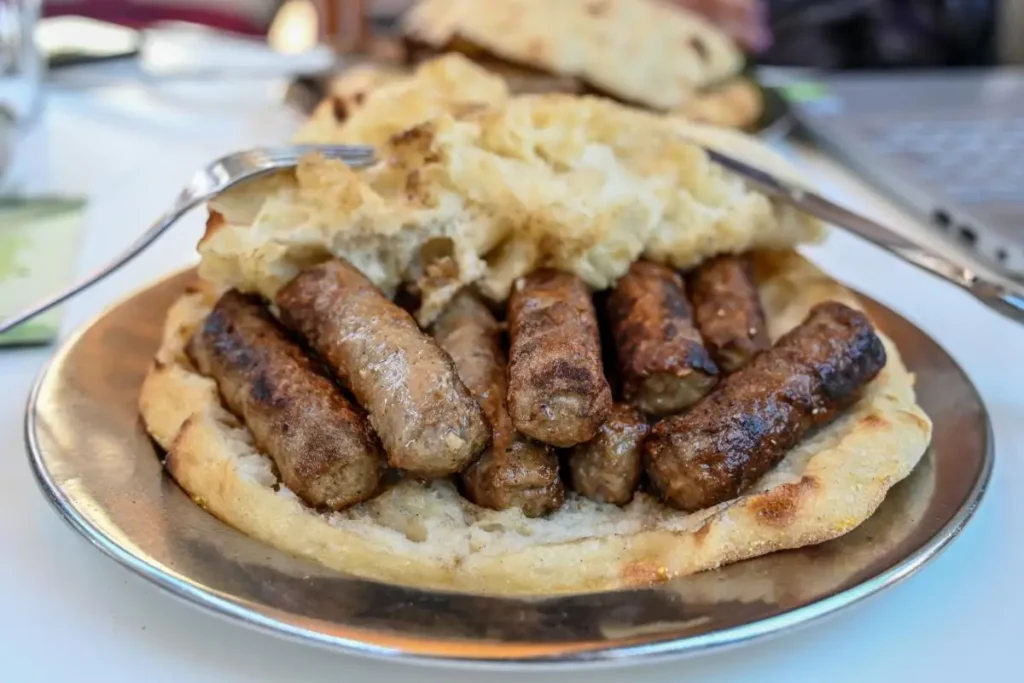
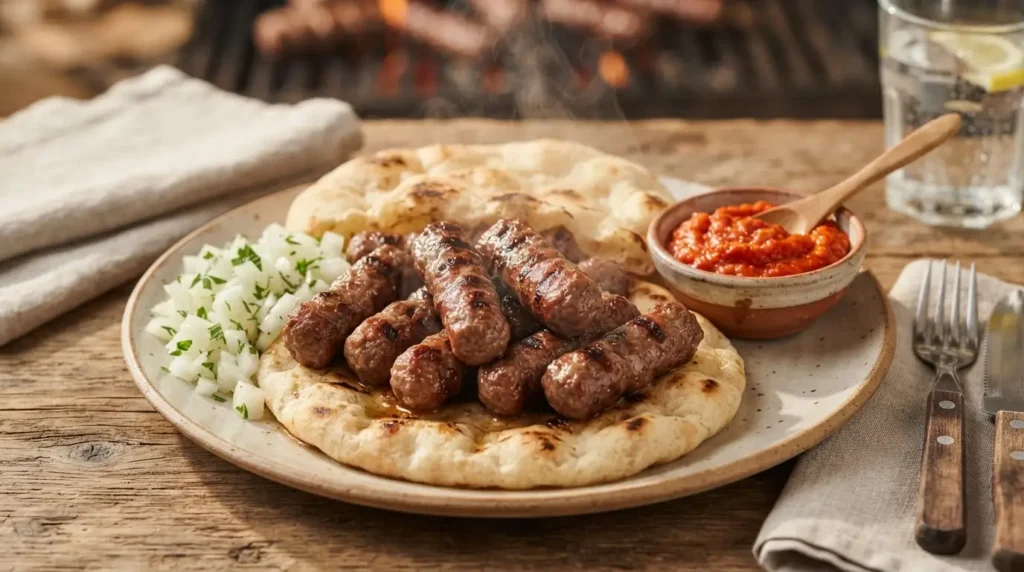
Ćevapi are small grilled sausages made from minced meat, seasoned simply and cooked over a hot grill. In Split, they are often served in soft flatbread with chopped raw onion; some counters also offer ajvar, a smoky red pepper relish, or kajmak, a rich dairy spread. A straightforward order need not be elaborate: look for freshly grilled meat, warm bread, and a modest set of accompaniments. The result is savory, filling, and easy to eat without ceremony, making ćevapi a practical lunch or dinner when you want a substantial meal at a casual price. Because portions can be generous, sharing one order with another person or adding a side may be enough.
Grill counters may serve more than ćevapi. Pljeskavica, a broad seasoned meat patty, grilled sausages, and simple meat-and-bread combinations are common alternatives, with recipes and garnishes varying by vendor. These Balkan-style staples suit a quick, hearty bite, but they are distinct from Dalmatian dining centered on fish and seafood. For a reliable meal, choose a counter with steady customer traffic and food visibly cooking in frequent batches; turnover can mean the grill is active and items are less likely to have sat for long. Before ordering, ask whether bread, onion, sides, and condiments are included, and check portion sizes and prices, particularly if the menu lists add-ons separately.
Vegetarian visitors have fewer options at dedicated grill counters, though Split’s bakeries can provide savory pastries and bread, while markets offer seasonal fruit and vegetables. Some casual restaurants also serve meat-free dishes, such as vegetable sides or pasta, but recipes may use meat stock, shared grills, or animal-based fats. Ask staff how a dish is prepared and whether it is suitable for your needs rather than relying on its name alone.
Eating well in Split does not require choosing between quality and cost, but prices can change considerably by location, portion size, and season. Cafés and restaurants beside Diocletian’s Palace often serve visitors at a premium, so compare menus on nearby streets and in residential areas before deciding. A short walk from the busiest lanes can reveal better-value bakeries, casual eateries, and daily specials.
Bakeries are useful for an affordable breakfast or a quick meal between sightseeing stops. Look for a daily menu, often called a marenda, at local restaurants; it may offer a filling cooked dish at a more predictable price than ordering à la carte. At markets, seasonal fruit can make a simple snack, while pastries are convenient when you need something portable. Check displayed prices and current menus rather than relying on old online claims, since costs vary throughout the year.
Useful choices by occasion: burek for breakfast; ćevapi for a filling lunch; seasonal fruit or a pastry for a lighter snack. Portions differ, so consider what is included and how hungry you are before comparing prices. Sharing a larger dish can also help keep spending manageable.
Frequently Asked Questions
Where can I find burek? Try neighborhood bakeries, including those away from the main palace streets. Availability and fillings vary, so ask what is fresh.
What comes with ćevapi? It is commonly served with flatbread and may include onions, ajvar, or other accompaniments. Check the menu to see what is included.
How can I order affordably? Compare current menus, ask about daily dishes, and confirm portion sizes and any extras before ordering.
Is street food suitable for vegetarians? Some bakeries offer cheese or vegetable pastries, but choices may be limited. Ask about ingredients and preparation, and do not assume a dish is meat-free.
How much should visitors expect to spend? There is no dependable single price: location, season, and portion size all matter. Review current menu prices before choosing and allow for drinks or sides.
What is the best time to eat burek?
Burek is best enjoyed when freshly baked, typically in the mornings or early afternoon. Many bakeries restock throughout the day, so asking about fresh batches can enhance your experience.
Are there any food markets in Split worth visiting?
The Green Market, near Diocletian’s Palace, is a vibrant spot where locals shop for produce, meats, and other goods. It’s an excellent place to observe daily life and find fresh ingredients or snacks.
Can I find vegan options in Split?
While traditional options are limited, some modern eateries cater to vegan preferences. Checking online reviews or visiting health-oriented restaurants can help you find suitable choices.
What are some other must-try foods in Split?
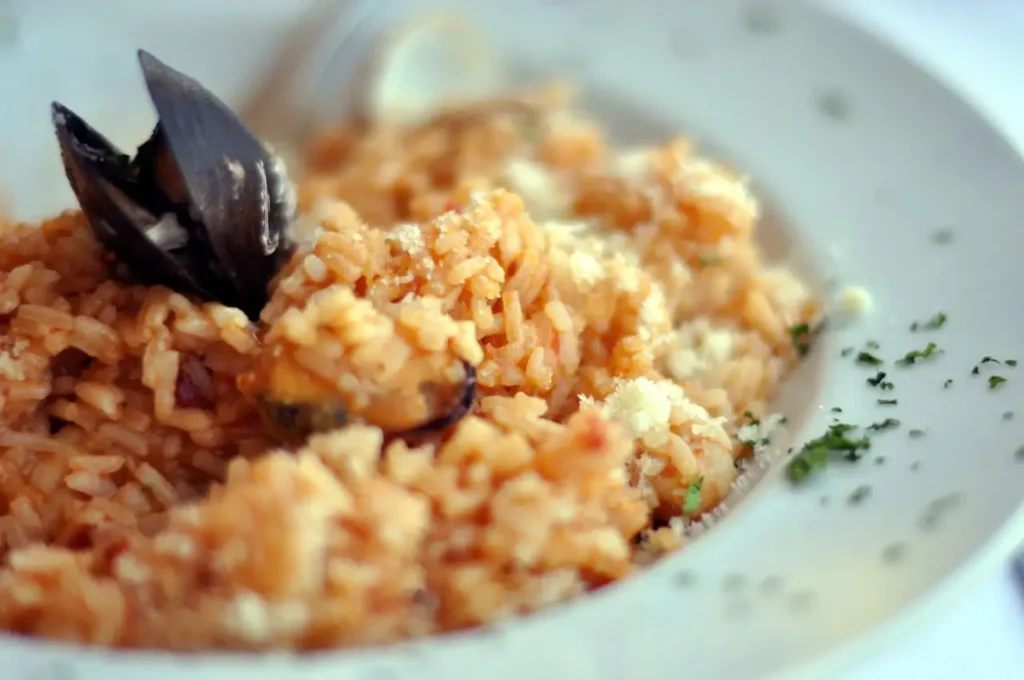
Apart from burek and ćevapi, trying seafood dishes like black risotto or Dalmatian pašticada might be rewarding. Each offers a taste of the Adriatic’s rich culinary heritage.
How can I avoid tourist traps while dining?
Walk a few blocks away from main attractions and explore backstreets. Local cafes and eateries in residential areas often provide authentic experiences and more reasonable prices.
📅 Last updated: