
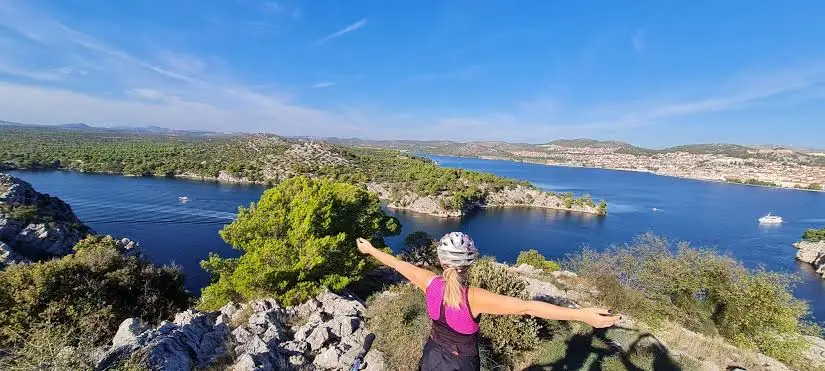
This post explores the myriad cycling opportunities along Croatia’s Dalmatian Coast, perfect for both casual riders and seasoned cyclists. It includes detailed route descriptions, practical tips for ensuring a smooth journey, and important safety considerations for those cycling in the region.
Cycling the Dalmatian coast is feasible from May to October, with routes ranging from the flat 27-kilometre Split to Trogir path to the challenging climbs near Omiš and the Cetina gorge. Island options on Brač, Hvar, and the Pelješac peninsula offer varied terrain, scenery, and wine-tasting stops.
Practical guidance covers bike rental costs, water and sun precautions, ferry transport for bicycles, and the influence of regional winds like the Bura and Jugo. The post also addresses traffic laws, safety considerations for families, national park restrictions, and recommends late May, June, or September for optimal riding conditions.
Cycling the Dalmatian Coast: Where to Ride and What to Expect
You can cycle most of the Dalmatian coast between May and October. The route that rewards you most runs from Split to Trogir and onward along the coastal road toward Omiš.
Last April I drove down the A1 motorway with two bikes strapped to a rack, checking the wind forecast every hour. The Bura had blown for three days, and I wanted to see how the coast looked without it. Spring makes a good scouting season, but it also brings unstable weather, so pack a windproof layer even on sunny mornings.
According to the Croatian National Tourist Board, more than 10% of travelers include cycling activities in their itineraries when visiting the coastal areas.
The Routes Worth Your Legs
The Split to Trogir stretch is flat, about 27 kilometres in total, and it follows the old coastal road through Kaštela, a chain of seven villages that now blends into one long settlement. Riders usually take the bike path that starts near the Split ferry port and runs alongside the Kaštela bay. Most of it sits on a dedicated lane separated from the main traffic, which makes it a comfortable first ride.
Farther south, the road climbs above Omiš toward the Cetina river gorge. This is a harder ride. Expect sustained climbs of 6 to 8 percent in places, and keep an eye out for tour buses on the narrow sections near Dugi Rat.
Pelješac peninsula suits riders who want quiet roads. The loop from Ston to Orebić covers roughly 60 kilometres with a serious climb near Viganj, and it offers wine stops at small family cellars where a tasting costs between 10 and 25 euros per person, depending on the producer.
Island Rides on Brač and Hvar
Brač offers a gentler introduction to island cycling. The road from Supetar to Bol takes you past stone villages and olive groves, and the final descent into Bol delivers a view that makes the climb feel worth it. Hvar’s central road is busier in July and August, so ride early. The ferry from Split to Stari Grad takes about 80 minutes, and bikes travel for a small fee on most sailings.
Practical Tips for Riding the Coast
Bring your own helmet and lights, because rental shops in smaller towns often carry only basic models. Tourist bike hire in Split typically costs between 15 and 25 euros for a full day, and an e-bike runs closer to 35 to 50 euros. Book e-bikes ahead in July, since the good ones disappear by mid-morning.
Water matters more than you think. Shops in villages can close during the midday break, roughly 13:00 to 17:00, so carry at least a litre and a half per person on longer rides. Sunscreen works better than a hat on the exposed coastal stretches, though you will want both.
The wind shapes everything. The Bura blows cold from the northeast in winter, sometimes reaching gusts above 100 km/h near Senj, though the Dalmatian coast sees it in milder form. The Jugo brings humid southerly air and is more common in late summer. Check the forecast before you commit to an exposed route like the Makarska Riviera road.
Staying Legal and Safe on the Road
Croatian traffic law requires cyclists to ride in the same direction as traffic and to use lights after dark. Helmets are not mandatory for adults, but I wear one on every descent near Omiš, where the shoulder disappears. Cyclists on the magistrala, the main coastal highway, are not allowed on the motorway. Stick to the older road whenever you can.
Frequently Asked Questions
How long does the Split to Trogir ride take? A relaxed rider covers the 27 kilometres in roughly two hours, including a coffee stop in Kaštela. Add time if you wander into the old town of Trogir, which has a UNESCO-listed core worth exploring on foot.
Do I need a permit to cycle on the islands? No permit is required for ordinary cycling on public roads. Certain national park areas, including parts of Krka near Skradin, limit bikes to designated paths, so read the signs at the entrance.
Is the coast safe for families with children? Mostly yes, though it depends on the route you pick. The Kaštela bike lane and the Brač road to Bol suit children who already ride confidently, while the Cetina gorge climbs do not.
Can I take my own bike on the ferries? Yes. Jadrolinija charges a modest surcharge for bicycles on most routes, and you should load the bike early because space on the car deck fills quickly in summer.
When is the best time to ride? Late May and June offer warm days, moderate traffic, and fewer tourists. September gives you the sea at its warmest and cooler air for climbing, which is why many experienced riders I know prefer it to July.
What should I know about wind conditions?
The wind is a significant factor when cycling the Dalmatian Coast. The Bura and Jugo are the two principal winds, with the Bura being a cold, strong wind from the northeast, and the Jugo bringing warm, humid air from the south. Plan your rides considering these conditions for a safer experience.
What are the top safety tips for cycling in Croatia?
Safety is paramount, so always ride in the same direction as traffic, use lights after dark, and wear protective gear, including helmets. Adhering to traffic laws is crucial, and keeping visible on the road will help ensure a safer journey during your Croatian cycling adventure.
Can I find accommodations that are cyclist-friendly?
Yes, many accommodations across the Dalmatian Coast are cyclist-friendly, offering bike storage and maintenance areas. It’s advisable to check beforehand and book in advance, especially during the peak seasons, to ensure a hassle-free stay.
Are there organized cycling tours available?
There are several organized cycling tours available along the Dalmatian Coast, catering to different skill levels and preferences. Joining a tour can provide additional insights into local culture and landscapes, and offer logistical support such as guided routes and technical assistance.
What are some tips for bike rental in the region?
When renting bikes, consider advanced reservations, especially during peak tourist times. Check the condition and type of bike beforehand and ensure you have suitable equipment like helmets and lights. E-bikes are popular and may require earlier booking for availability.
📅 Last updated: