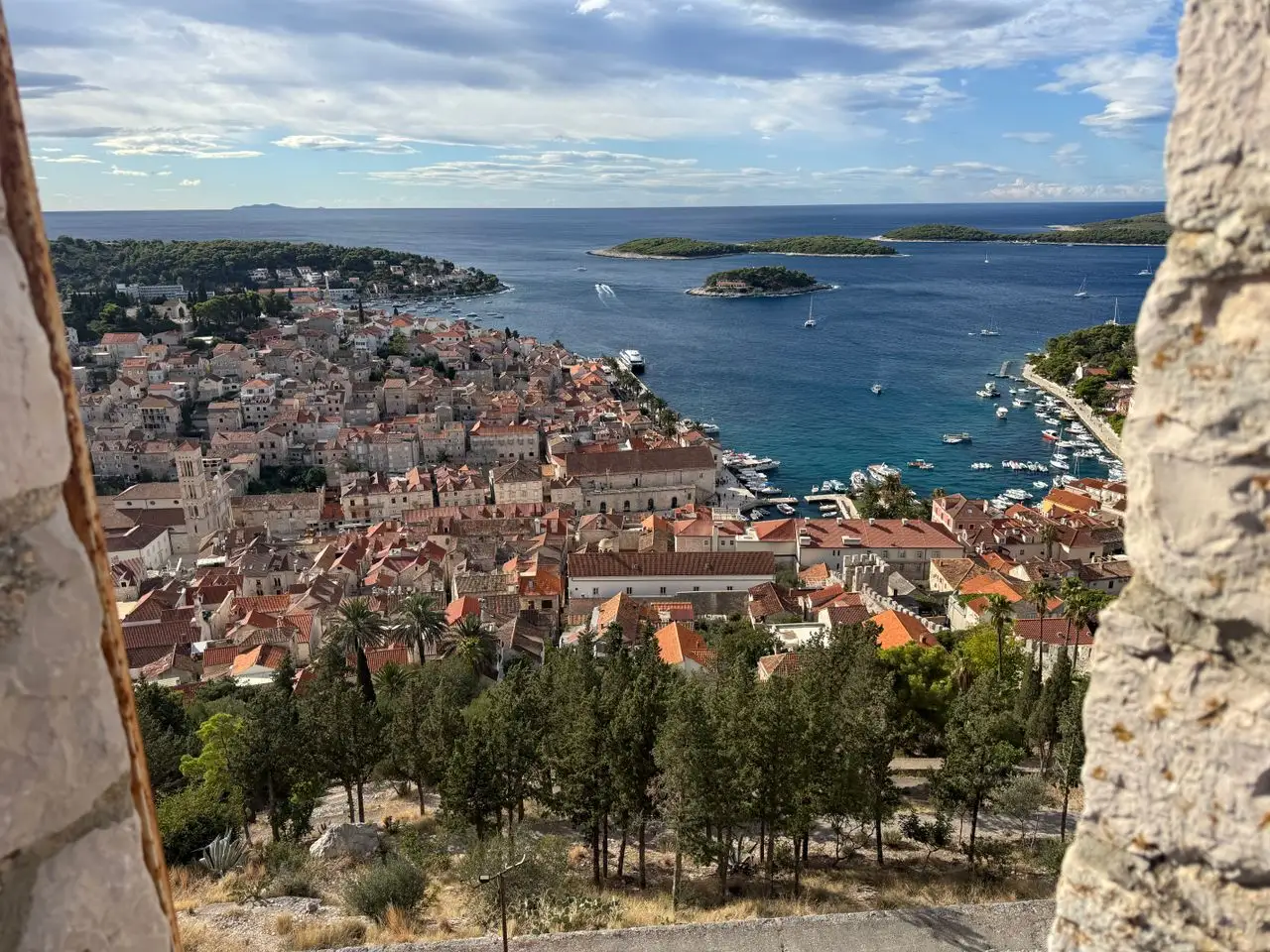
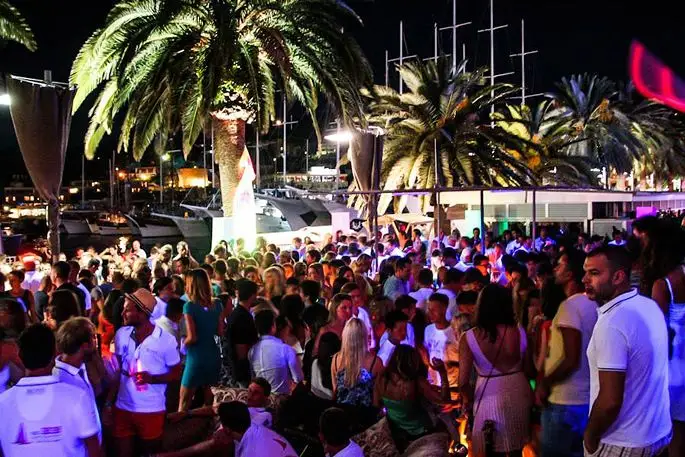
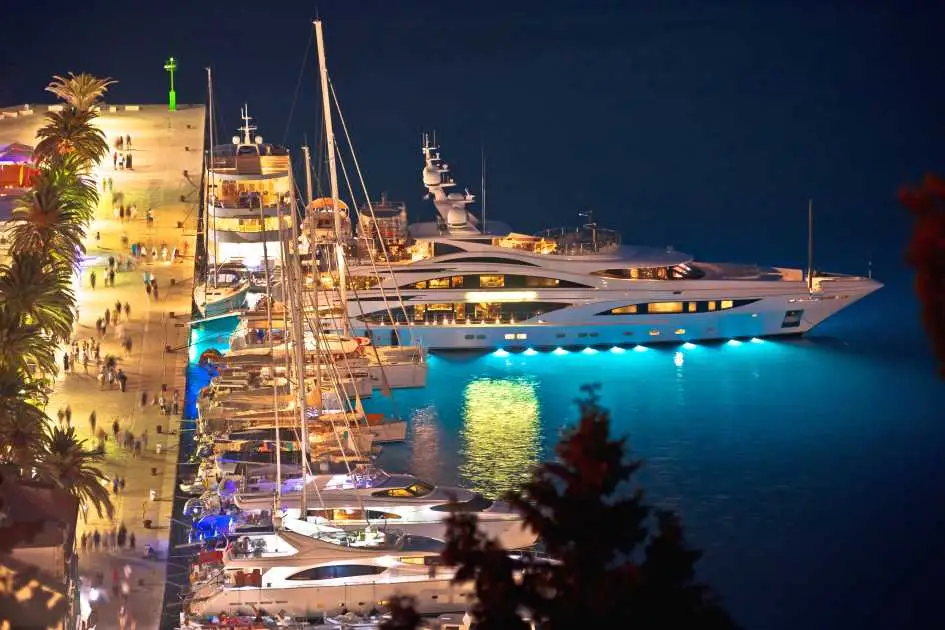
💡 Quick AnswerHvar is a destination for those seeking vibrant nightlife and picturesque beaches on the Adriatic. This guide covers the best bars and clubs, tranquil coves, and practical travel tips to navigate the island of Hvar, Croatia.
Hvar Town offers lively nightlife with waterfront bars, wine bars, and venues like Carpe Diem Beach Club and Hula Hula Bar, while Stari Grad and Jelsa provide calmer evening options with local restaurants. The island’s pebble beaches, including Dubovica and Mlini, suit quieter swims, with sunbeds and boat trips recommended for booking in advance during peak season.
Practical guidance covers transportation via ferry from Split, limited parking in Hvar Town, infrequent evening buses, and Croatia’s tourist tax. Additional details address optimal visiting times, cost expectations, family-friendly beach choices, transportation needs, and day trip options to nearby islands like Pakleni, Vis, and Korčula.
If you have a few days on Hvar and want the short answer: go to Stari Grad or Hvar Town for the best mix of old-town charm and nightlife, pick Dubovica or Mlini for quieter swims, and book your sunbeds and boat trips a day ahead in July and August. Hvar is one of the sunniest islands in the Adriatic, with more than 2,700 hours of sunshine a year, so plan your beach days around the wind and the ferry schedule rather than around the clock.
Hvar Town: Where the Nightlife Lives
Hvar Town is the island’s main event. The Renaissance square, the Venetian-era Arsenal and the fortress above the harbour look beautiful at dusk, and after 22:00 the lanes behind the Pjaca square fill with bar crowds moving between terraces.
Expect loud bars near the waterfront and calmer wine bars in the upper lanes. Many venues close their doors in the early hours of the morning in high season, but the scene shifts a few times each night, so you rarely need to plan too rigidly.
Nightlife Spots Worth Knowing
Carpe Diem Beach Club in the Hvar area is the island’s most famous party address, with DJs and sunset sessions in summer.
Hula Hula Bar near the Hvar Town harbour is a long-running, lively stop for cocktails.
Hvar Town waterfront bars are best for an early drink before the main crowd arrives.
Wine bars in the side streets are where locals go for Plavac Mali and Bogdanuša on a quieter night.
Dress is casual almost everywhere. Bring a light layer, because the breeze off the water cools quickly after midnight.
Stari Grad and Jelsa for a Calmer Evening
Stari Grad, the island’s oldest town, has a relaxed atmosphere with fewer crowds and more restaurants serving local dishes like peka and fresh fish. Jelsa is another good choice if you want a small-town evening with a promenade and a few low-key bars.
Beaches: Pebbles, Pine Shade, and Sheltered Coves
Hvar’s beaches are mostly pebble and rock, so bring water shoes. The sea is exceptionally clear, and the south coast is generally calmer than the north, which faces the open channel.
A study by the Croatian Tourism Institute noted that Hvar’s beaches are among the cleanest in the Mediterranean, drawing praise for their pristine waters.
Best Beaches by Type
Beach
Type
Best For
Dubovica
Pebble, pine-shaded
Quiet swims and families
Mlini
Pebble, sheltered bay
Snorkelling and calm water
Pokonji Dol
Pebble and rock, reached by a short walk or boat
Relaxed days away from crowds
Carpe Diem and Hvar Town beaches
Pebble with sunbeds
Nightlife crowds and beach clubs
Milna (Vis road area, reached by boat)
Secluded coves
Day trips and privacy
Practical Beach Tips
Sunbeds in popular spots cost roughly €20 to €40 for two in peak season, often with a drink minimum at beach clubs.
Arrive before 10:00 to secure shade, especially at Dubovica.
Boat taxis and water taxis run from Hvar Town to nearby coves; agree on the return time before you leave.
Bring reef-safe sunscreen and keep the seabed intact by not dragging anchors or touching sea urchins.
Getting Around and Practical Costs
Hvar is connected by ferry from Split, and in summer the catamaran from Split takes about an hour, while the car ferry takes roughly two hours. Parking in Hvar Town is limited, so most visitors leave the car at the ferry port and walk or take a taxi boat. Buses run between Hvar Town, Stari Grad, and Jelsa, but they are infrequent after dark.
Croatia applies a tourist tax, which varies by municipality and season, and most private accommodation hosts will ask you to pay it at check-in. Keep receipts for any accommodation you book, since they are required for legal stays.
Frequently Asked Questions
What is the best time to visit Hvar for nightlife and beaches?
Late June through early September offers the liveliest nights and the warmest water, though May, June, and September give you calmer beaches and lower prices.
Is Hvar expensive compared to other Croatian islands?
Yes, Hvar is among the pricier islands, especially in Hvar Town during July and August, so budget more for drinks, sunbeds, and boat trips.
Which beach is best for families with small children?
Dubovica is the usual pick, thanks to its shade, shallow entry, and nearby restaurants, though Mlini is also gentle and sheltered.
Do I need a car on Hvar?
Not necessarily. Buses and taxi boats cover the main sights, and a car is mainly useful if you plan to explore the interior villages and vineyards on your own schedule.
Is it easy to visit nearby islands from Hvar?
Yes, day trips to Pakleni Islands, Vis, and Korčula run from Hvar Town harbour in the summer months, and boat tours often include swim stops and lunch.
Contains custom information set by the web developer via the _setCustomVar method in Google Analytics. This cookie is updated every time new data is sent to the Google Analytics server.
2 years after last activity
__utmx
Used to determine whether a user is included in an A / B or Multivariate test.
18 months
_ga
ID used to identify users
2 years
_gali
Used by Google Analytics to determine which links on a page are being clicked
30 seconds
_ga_
ID used to identify users
2 years
_gid
ID used to identify users for 24 hours after last activity
24 hours
_gat
Used to monitor number of Google Analytics server requests when using Google Tag Manager
1 minute
_gac_
Contains information related to marketing campaigns of the user. These are shared with Google AdWords / Google Ads when the Google Ads and Google Analytics accounts are linked together.
90 days
__utma
ID used to identify users and sessions
2 years after last activity
__utmt
Used to monitor number of Google Analytics server requests
10 minutes
__utmb
Used to distinguish new sessions and visits. This cookie is set when the GA.js javascript library is loaded and there is no existing __utmb cookie. The cookie is updated every time data is sent to the Google Analytics server.
30 minutes after last activity
__utmc
Used only with old Urchin versions of Google Analytics and not with GA.js. Was used to distinguish between new sessions and visits at the end of a session.
End of session (browser)
__utmz
Contains information about the traffic source or campaign that directed user to the website. The cookie is set when the GA.js javascript is loaded and updated when data is sent to the Google Anaytics server