
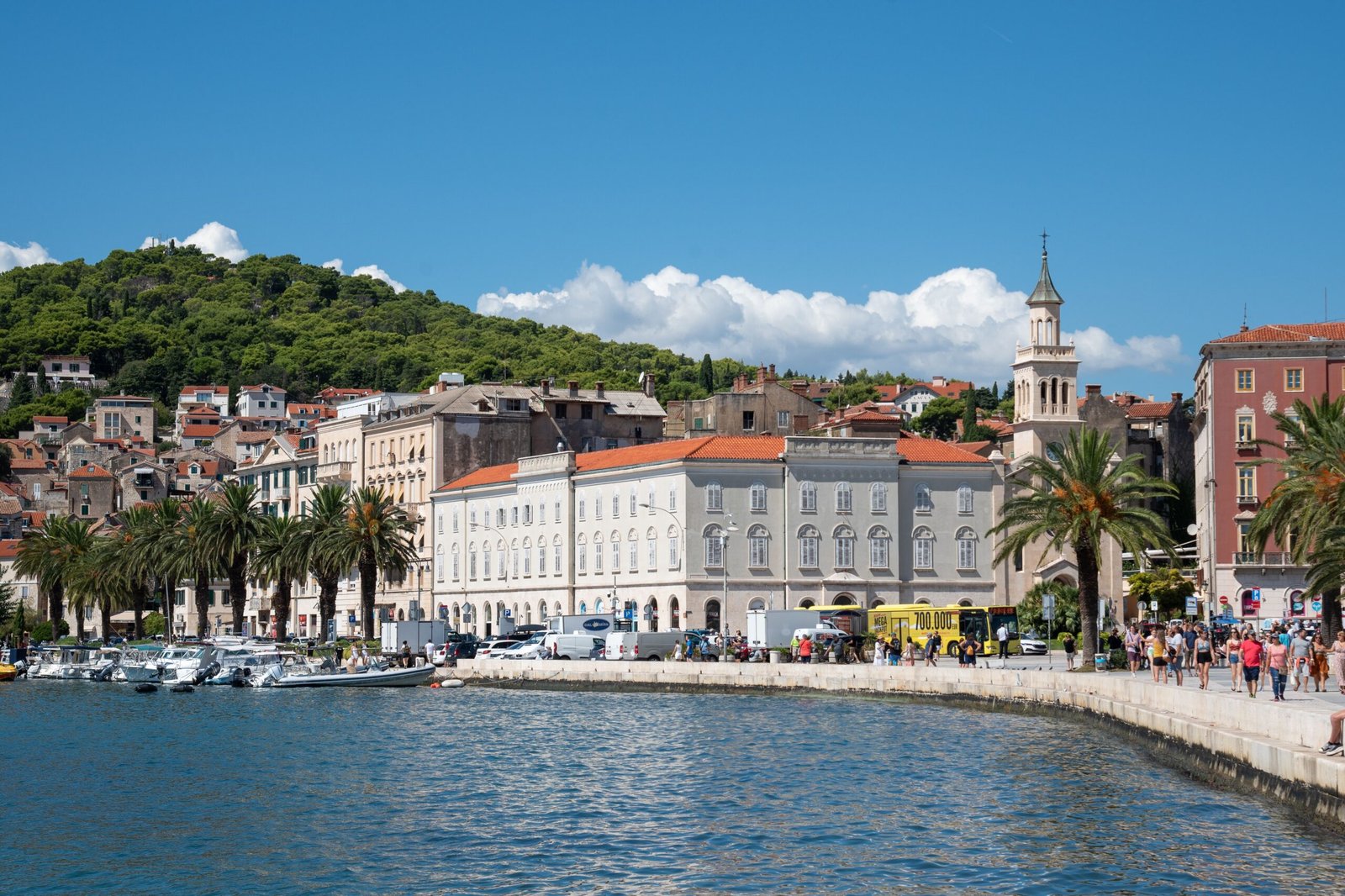
The Pula Arena and Diocletian’s Palace represent two well-preserved Roman sites on Croatia’s Adriatic coast. Pula’s arena, completed in the late first century AD, hosts summer events and sits near the Temple of Augustus and Triumphal Arch of the Sergii. Split’s palace, built as Emperor Diocletian’s retirement residence, remains continuously inhabited today.
Practical guidance addresses ticket purchasing, optimal visiting times to avoid crowds and heat, transportation options between the two cities, and nearby attractions including the Cathedral of Saint Domnius. Located four to five hours apart by road, the cities suit separate visits rather than a single day trip, with spring and autumn recommended for better conditions.
If you have one afternoon in Pula and one in Split, you can walk through two of the best-preserved Roman sites on the entire Adriatic. The Pula Arena stands at the edge of the old town, and Split’s Diocletian’s Palace sits right in the middle of the city’s living streets. Both are doable on foot, both have ticket prices you can check on arrival, and both reward slow looking more than rushed photos.
I have led friends and clients through both cities more times than I can count. Here is what actually matters when you go.
Pula: an arena that still works
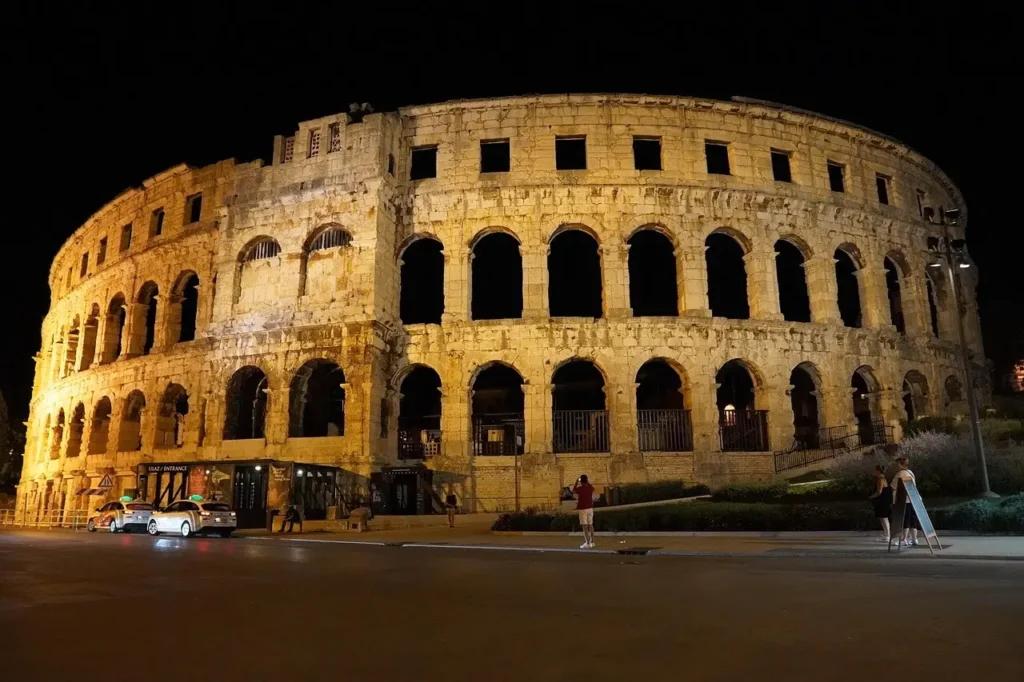
The Pula Arena was finished around the late first century AD and could hold roughly 20,000 spectators. Unlike the Colosseum in Rome, its outer ring is largely intact, and in summer it hosts the Pula Film Festival screenings and concerts. If your visit overlaps with an event, buy tickets for the evening show; the stone benches at dusk feel completely different from the daytime tour.
Go early for the daytime visit, before 10 a.m. The sun hits the open stands hard after midday, and the tour groups from the cruise ships arrive around 11. I tell clients to enter through the main gate on Flavijevska cesta, then walk the upper ring first so you understand the layout before descending to the arena floor.
Two other Roman monuments are close enough to combine. The Temple of Augustus stands on Forum Square, a small, cramped piazza that feels more like a village square than an imperial site. The Triumphal Arch of the Sergii, just behind it, is a short walk and often nearly empty. Give yourself about ninety minutes for the arena and the forum together, and add another hour if you stop for coffee in the square.
Practical notes for Pula
Tickets are sold at the arena box office and online. Expect to pay in the range of 10 to 15 euros for the standard adult entry, but prices shift with events, so check the current rate on the official Pula Arena site before you buy. The arena is easy to reach by bus from the main station on Park Mladosti, and most of the old town is flat enough for a comfortable wander.
Split: a palace that never really closed
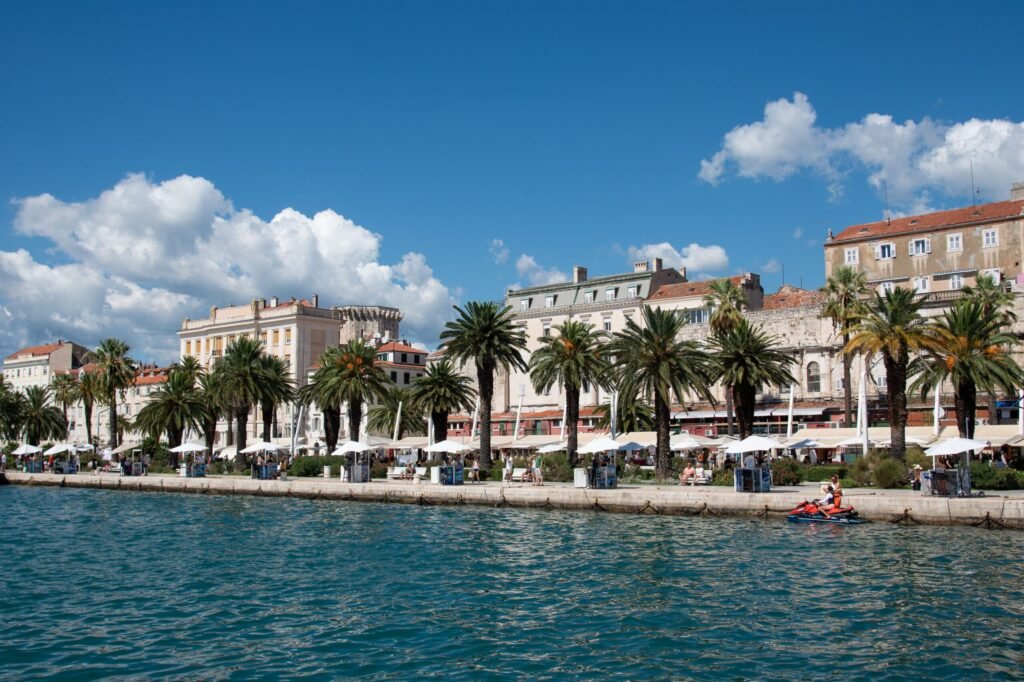
Diocletian’s Palace is unlike any other Roman ruin in Croatia, and the reason is simple: people never left. Emperor Diocletian built the complex in the early fourth century as his retirement home, and when the Roman Empire fell, residents moved into the walls. The cellars became shops, the peristyle became a public square, and today several thousand people live inside the original footprint.
Start at the Peristyle, the central court with its sphinxes and columns, then walk the Golden Gate and out through the Silver Gate on the north side. The cellar tour takes you through vaulted halls that once stored supplies for the imperial household. Budget about two hours for the palace itself, and plan to lose yourself in the side alleys that branch off the main axis. Those lanes hold some of the best konoba-style lunch spots in town.
When my clients bought apartments in the Varoš quarter last spring, they were surprised how quickly the palace walls became part of daily life. Laundry hangs above the cellar entrances, and cats sleep on Roman steps. That mix of ruin and home is the real attraction, and it is worth experiencing at a quieter hour, ideally early morning or after 7 p.m. when day-trippers have thinned out.
Practical notes for Split
The Diocletian’s Palace entry ticket covers the Peristyle, the cellars, and the Cathedral of Saint Domnius with its bell tower. The cathedral was originally Diocletian’s mausoleum, and climbing the tower gives a clear view over the rooftops toward the harbour. Ticket prices are set by the city and posted at the entrance, so confirm the figure on arrival. From the bus station on Obala Lazareta, the palace is a five-minute walk.
Planning a Roman day on the Adriatic
Pula and Split are about four to five hours apart by car on the magistrala, though most travellers use the ferry or the bus. If you are building an itinerary around both, the bus is the easier option; the ferry from Split to Ancona or the islands does not serve Pula directly. Plan at least two nights in each city, because the sites are only part of the appeal.
Summer brings heat and crowds from June through August, so schedule the open-air sites for morning and evening. Spring and early autumn offer milder weather and shorter queues, and many restaurants in both cities stay open until late October. Bring water, wear shoes with grip, since the ancient stone turns slick, and carry cash for smaller konobas that still prefer it.
Frequently asked questions
Can I visit both sites in a single day?
Technically yes, but you would spend most of the day on the road. Pula and Split are separated by a long coastal drive, so I recommend treating them as two separate trips.
Is the Pula Arena worth visiting if I am not into history?
Most visitors find it more striking than they expected. The sheer scale of the stone seating, combined with the sea views from the upper ring, tends to win over even reluctant sightseers.
Do I need a guide at Diocletian’s Palace?
No, the site is easy to navigate with a map. A guide helps if you want the stories behind the cellars and the palace layout, and local guides often start from the Peristyle on the hour during peak season.
What is the best time of day for photographs?
Early morning light works best at both sites, when the stone glows warm and the streets are nearly empty. Evening is also good, especially in the Split palace, where the lamps come on along the colonnades.
Are the sites accessible for visitors with limited mobility?
The Pula Arena has steep steps and uneven surfaces in the upper rings, so it is challenging. Diocletian’s Palace has many stairs and cobbled lanes, though the Peristyle and the cellars are reachable on mostly level ground.
📅 Last updated: