
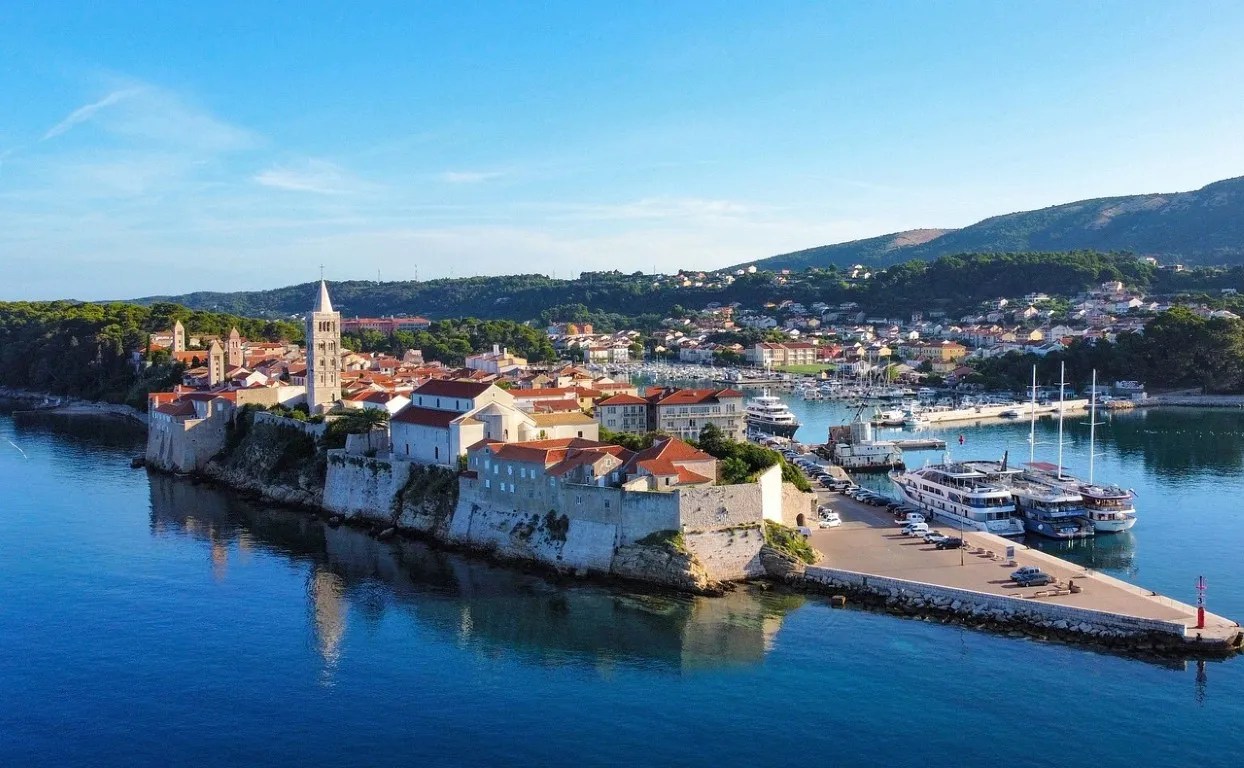
Croatian coastal real estate attracts international buyers due to eurozone and Schengen membership, transparent land registration, moderate holding costs, and diverse property options. Regions vary significantly in price and character, from Istria’s Rovinj and Poreč to North Dalmatia’s Zadar and Šibenik, Central Dalmatia’s Split, Trogir, and Hvar, and ultra-prime Dubrovnik, with prices ranging roughly €3,960 to €6,680 per square meter.
The guide outlines legal requirements for EU and non-EU buyers, including reciprocity agreements, company purchase alternatives, and Ministry of Justice approval timelines. It details purchase taxes, exemptions for primary residences, required documentation like the OIB tax number, and due diligence steps buyers should complete, such as verifying land registry and cadastral records, before making an offer.
The Essential Guide to the Best Croatian Coastal Cities for Foreign Property Buyers in 2026
Buying a home along the Adriatic used to feel like an insider secret reserved for seasoned European travelers. Today, the best croatian coastal cities for foreign property buyers enjoy eurozone currency stability, Schengen border-free travel, and a real estate market that still undercuts comparable coastlines in Italy or southern France.
Still, picking the right town matters just as much as negotiating the price. A lively year-round port in Istria behaves very differently from a seasonal island hotspot in Dalmatia, so knowing where your lifestyle and budget fit best will save you months of guesswork.
Table of Contents
- Why Croatia’s Adriatic Coast Attracts International Buyers
- What Croatian Coastal Cities Property Buyers Should Know About Each Region
- Side-by-Side Price and Lifestyle Comparison
- Legal Rules, Taxes, and Buying Steps for Foreigners
- Key Realities Every Overseas Buyer Should Understand
- Your Next Steps Before Making an Offer
Understanding the best croatian coastal cities for foreign property buyers will help you make an informed decision about where to invest.
Why Croatia’s Adriatic Coast Attracts International Buyers
Croatia’s coastline stretches across more than a thousand islands and historic mainland harbors, giving buyers remarkable variety within a few hours’ drive. Since joining both the eurozone and the Schengen Area, cross-border transactions and weekend flights from major European hubs have become dramatically simpler.
Here’s what keeps international demand resilient year after year:
- Transparent land registration: Ownership is recorded in Croatia’s public land registry (Zemljišna knjiga), giving buyers clear legal title once proper due diligence is completed.
- Strong summer rental yields: High-demand coastal towns routinely generate healthy short-term holiday income from May through October.
- Moderate holding costs: Compared with Western Europe, annual municipal property taxes and everyday maintenance remain manageable.
- Diverse property stock: You can choose between centuries-old stone townhouses, modern sea-view apartments, and newly built villas with pools.
What Croatian Coastal Cities Property Buyers Should Know About Each Region
Every stretch of the Croatian coast has its own climate, transport links, and price tier. Understanding those regional differences helps Croatian Coastal Cities Property Buyers avoid overpaying for prestige when a neighboring town offers better value.
Rovinj and Poreč: Istria’s High-Demand Gems
Located in the northern peninsula of Istria, Rovinj and Poreč are the easiest coastal hubs to reach by car from Austria, Germany, Slovenia, and northern Italy. Rovinj’s Venetian old town and tight supply make it Istria’s priciest address at roughly €5,560 per square meter, while Poreč offers a broader mix of beachside flats and countryside villas closer to €4,060 per square meter.
- Best for: Drivable weekend access, gastronomy, wine country, and strong capital preservation.
- Watch out for: Limited inventory inside historic pedestrian zones and fierce competition for renovated stone homes.
Zadar and Šibenik: North Dalmatia’s Value Sweet Spots
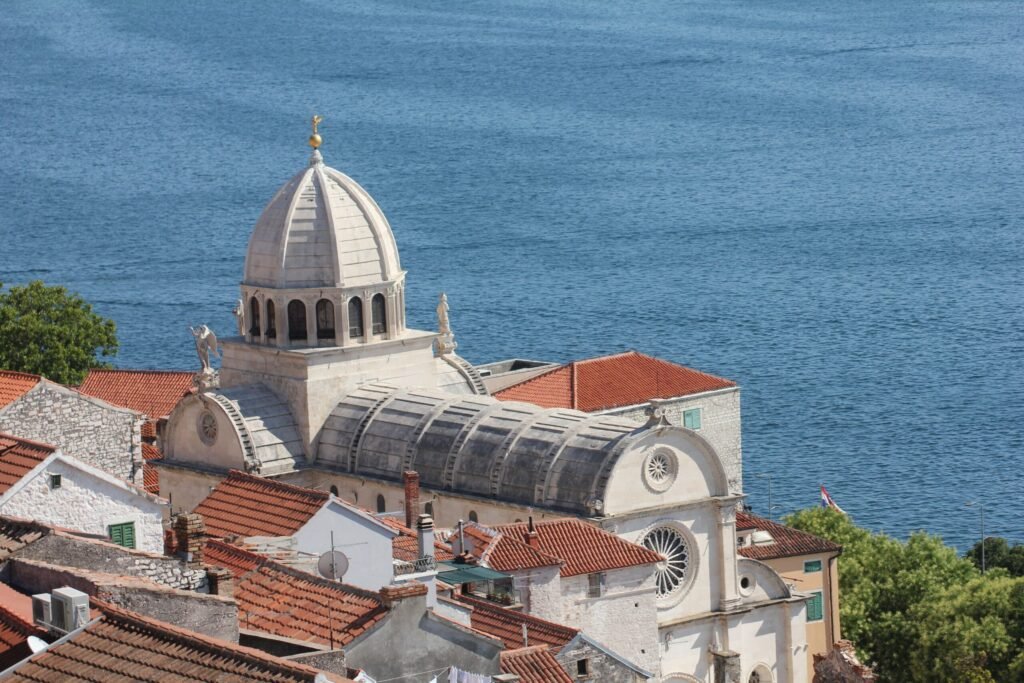
North Dalmatia bridges the gap between northern accessibility and classic southern island-hopping. Zadar averages around €4,170 per square meter and boasts an international airport, a vibrant university atmosphere, and year-round city services. Just south along the coast, Šibenik pairs a UNESCO-listed cathedral and revitalized fortresses with noticeably lower entry prices than Split or Dubrovnik.
- Best for: Year-round livability, sailing access to the Kornati archipelago, and balanced mid-tier pricing.
- Watch out for: Older apartment buildings outside the historic cores that may need energy-efficiency upgrades.
Split, Trogir, and Hvar: Central Dalmatia’s Rental Powerhouses
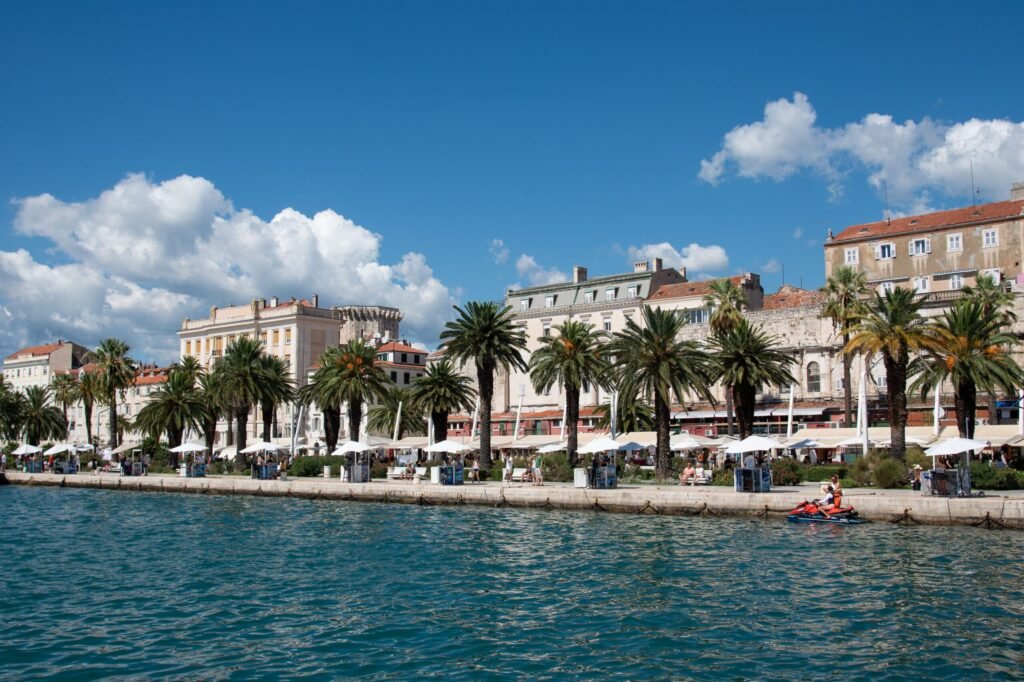
Central Dalmatia is the beating heart of Croatia’s tourism economy, anchored by Split’s international airport and ferry port. Nearby Trogir and Čiovo Island average roughly €3,960 per square meter and give buyers fast airport transfers alongside a large supply of modern apartments. If you’re chasing top-tier holiday nightly rates, Hvar Town commands around €4,580 per square meter and attracts affluent summer travelers.
- Best for: Maximum short-term rental occupancy, island ferries, and lively coastal energy.
- Watch out for: Heavy peak-season traffic around Split and stricter local rules on short-term tourist rentals in residential buildings.
Dubrovnik: Ultra-Prime Prestige and Scarcity
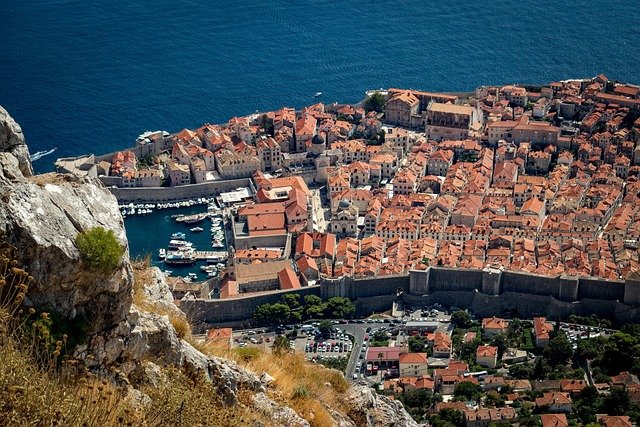
Dubrovnik sits in a category of its own at the southern tip of Dalmatia, averaging approximately €6,680 per square meter. Strict heritage protections and steep coastal terrain cap new construction, which keeps long-term resale values anchored even when global markets cool.
- Best for: Trophy properties, luxury holiday lets, and buyers prioritizing global name recognition.
- Watch out for: Premium entry prices and high summer tourist footfall near the Old City walls.
Side-by-Side Price and Lifestyle Comparison
Comparing average square-meter benchmarks side by side makes it easier to match your budget with the right coastal vibe:
- Rovinj (Istria): ~€5,560/m² — Venetian charm, shortest drive from Central Europe, scarce old-town stock.
- Poreč (Istria): ~€4,060/m² — Long resort riviera, family-friendly beaches, wide choice of villas and flats.
- Zadar (North Dalmatia): ~€4,170/m² — Active year-round city, international airport, strong local infrastructure.
- Trogir & Čiovo (Central Dalmatia): ~€3,960/m² — Close to Split Airport, abundant modern builds, solid rental yields.
- Hvar Town (Central Dalmatia): ~€4,580/m² — High-glamour island lifestyle, top seasonal nightly rates.
- Dubrovnik (South Dalmatia): ~€6,680/m² — Iconic walled city, tightest supply, highest prestige tier.
Legal Rules, Taxes, and Buying Steps for Foreigners
Croatia’s legal framework is straightforward once you know which rules apply to your passport and property type. Smart Croatian Coastal Cities Property Buyers line up their tax registration and legal counsel before paying a single euro in deposit.
EU vs. Non-EU Ownership and Reciprocity
Citizens of EU and EEA countries can purchase residential real estate under the exact same conditions as Croatian nationals, with no special government approvals required. Non-EU buyers—including citizens of the United States and the United Kingdom—can also buy in their own name if their home country maintains a reciprocity agreement with Croatia, subject to consent from the Ministry of Justice.
- Timeline tip: Ministry of Justice consent typically takes two to six months, so build that window into your preliminary contract.
- Company alternative: Buyers from countries without confirmed reciprocity—or anyone acquiring agricultural land—often purchase through a registered Croatian limited liability company (d.o.o.).
Purchase Taxes and Annual Holding Costs
Croatia treats resale homes and developer new-builds differently at closing, and tax rules apply equally to foreign and domestic owners:
- Resale properties: You’ll pay a one-time 3% real estate transfer tax based on the property’s assessed market value.
- New-build properties: Purchases directly from a VAT-registered developer carry 25% VAT (usually already baked into the asking price) and are exempt from the 3% transfer tax.
- Transaction extras: Budget roughly 2% to 3% plus VAT for real estate agency commission, around 1% to 1.5% for an independent property lawyer, and modest notary and land-registry fees.
- Annual property tax: Second homes and holiday properties incur an annual municipal tax ranging from €0.60 to €8.00 per square meter, with prime coastal towns typically sitting between €5.00 and €8.00 per square meter.
Key Realities Every Overseas Buyer Should Understand
Non-EU Citizens Can Buy Property Through Reciprocity or a Local Company
You don’t need an EU passport to own a coastal apartment in Croatia. As long as your home country grants reciprocal property rights to Croatians, you can buy personally after Ministry of Justice approval, or use a local d.o.o. company if reciprocity isn’t available.
You Never Pay Both the 3% Transfer Tax and 25% VAT
Many first-time buyers worry they’ll get hit with double taxation at closing. In reality, Croatian tax law applies either the 3% transfer tax on second-hand sales or 25% VAT on first-time developer sales—never both on the same transaction.
Getting an OIB Tax Number Comes Before Signing Anything
Every foreign buyer must obtain a Croatian personal identification number (OIB) from the Tax Administration before signing a binding purchase contract, opening a local bank account, or registering ownership. It’s free to issue and takes very little time when arranged through your lawyer.
Long-Term Leases and Primary Homes Are Exempt From Annual Property Tax
While holiday homes pay the annual per-square-meter property tax, Croatia exempts properties registered as your primary residence as well as homes rented out on a registered long-term residential lease for at least 10 months per year.
Land Registry Records Must Always Be Checked Against the Cadastre
A classic mistake along the Adriatic is assuming the physical house matches its paperwork. Your lawyer should verify that the land registry (Zemljišna knjiga), cadastral plot map (Katastar), and building or usage permits align completely before you release a 10% deposit.
Your Next Steps Before Making an Offer
Turning an Adriatic property search into a smooth closing comes down to preparation before you fall in love with a sea view. With clean title checks and realistic cost estimates, Croatian Coastal Cities Property Buyers can secure a rewarding home along one of Europe’s cleanest coastlines.
- Apply for your OIB first: Request your Croatian tax number early so you’re ready to move quickly when the right listing appears.
- Shortlist two regions and visit off-season: Tour your top towns in October or April to see how lively they feel once summer crowds depart.
- Hire an independent Croatian real estate lawyer: Choose counsel who works exclusively for you—not the seller or agency—to audit permits, liens, and zoning.
- Confirm your total cash-to-close budget: Add 5% to 8% above the purchase price on resale properties to cover transfer tax, legal fees, agency commission, and notary costs.