
Dalmatia’s Best Beaches: Where to Swim, Explore, and Escape the Crowds
Dalmatia has some of the most jaw-dropping coastline in the entire Mediterranean. The water is impossibly clear — turquoise in the shallows, deep sapphire further out — and the sheer variety of beaches is staggering. Whether you want a pebble cove reachable only by boat, a wide sandy stretch ideal for families, or a remote naturist bay hidden behind a pine forest, Dalmatia delivers.
This guide cuts straight to the best beaches across the region, from Split and Šibenik down to Dubrovnik, with honest notes on what makes each one worth your time — and when to actually go.
Top Beaches in Dalmatia by Region
Split Riviera and Central Dalmatia
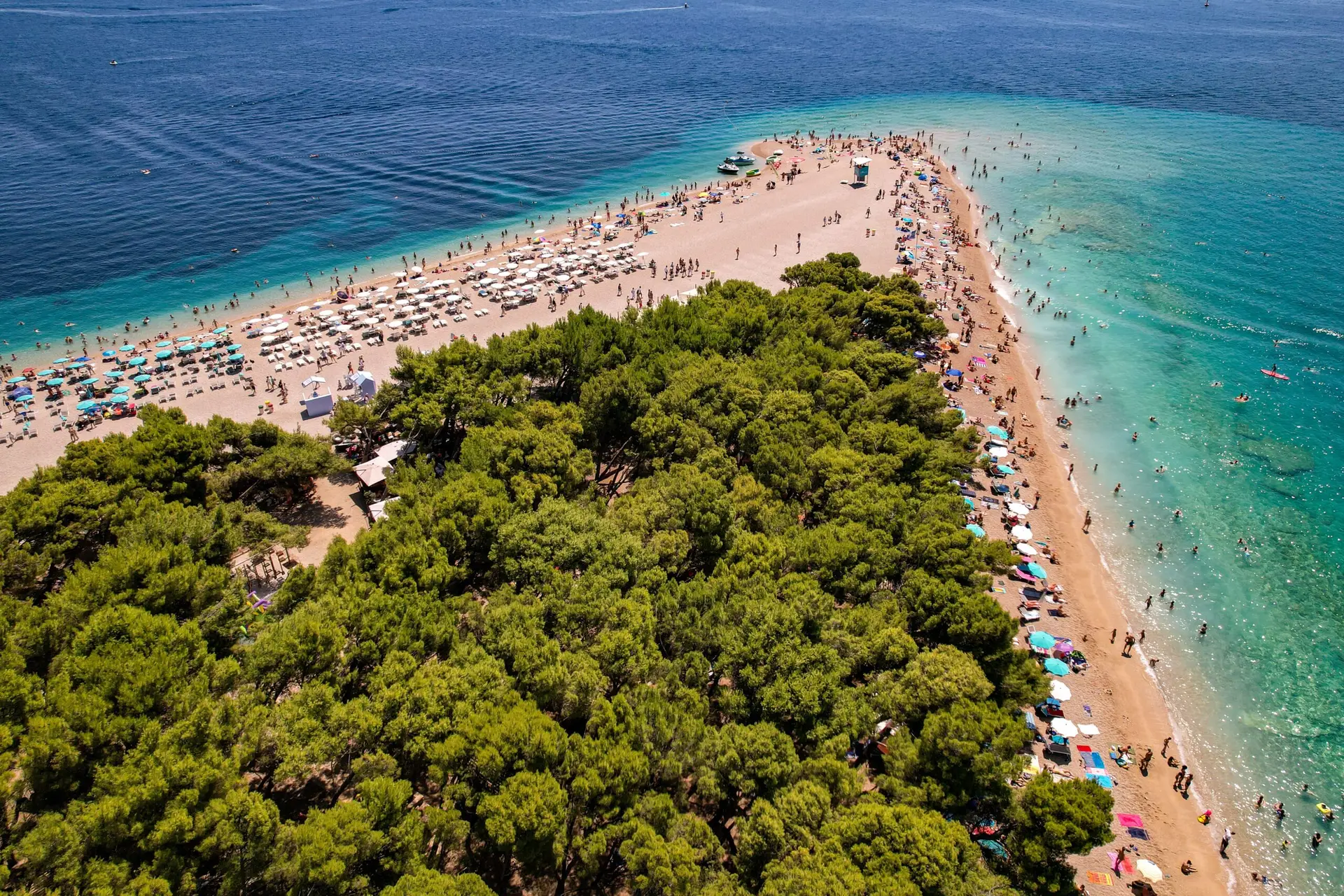
Zlatni Rat, Brač Island — possibly Croatia’s most photographed beach — is a genuine natural wonder. This golden-pebble spit stretches into the sea and literally shifts shape with the currents. It earns its reputation. Come in June or early September if you want space to breathe; July and August it’s shoulder-to-shoulder.
Stiniva Cove, Vis Island is in a different league entirely. A narrow gap between towering limestone cliffs opens into a hidden pebble bay so sheltered it feels secret. Access is by boat (the easier option) or a steep 20-minute hike down from the road. Stiniva was voted Europe’s best beach by European Best Destinations — and it’s easy to see why.
Bačvice, Split deserves mention not for solitude but for authenticity. This sandy shallow bay is where locals play picigin, a traditional Dalmatian ball game you’ll find nowhere else. It’s lively, social, and completely free. The sandy bottom is rare along this coast — most beaches here are pebble or rock.
Šibenik Archipelago and the Kornati Area
The coastline around Šibenik is criminally underrated. The area around Primošten and Rogoznica offers rugged coves with shallow, warm water ideal for snorkeling. Vela Luka beach in Primošten sits surrounded by vineyards and pine trees — arrive by bike or on foot for the full experience.
Krka National Park is inland, but the beaches of the broader Šibenik riviera — particularly around Vodice and Tribunj — attract a loyal crowd of returning visitors who prefer relaxed, local-scale tourism over the intensity of the Split or Dubrovnik tourist belts.
Makarska Riviera
The Makarska Riviera is Dalmatia’s beach capital in the most straightforward sense. Long pebble beaches backed by the dramatic Biokovo mountain range stretch across towns like Brela, Baska Voda, and Makarska itself.
Punta Rata in Brela is routinely listed among Europe’s best beaches. The landmark pine tree growing from a rock jutting into the sea is iconic. The water here is exceptional — clear, calm, and a surreal blue-green. Brela as a town remains relatively low-key compared to Split, which makes it a smart base for beach-focused travelers.
Nugal beach near Makarska is a 30-minute walk along a coastal path from town — clothing-optional, pebble, and dramatically positioned below cliffs. The effort keeps the numbers manageable even in peak season.
What to Know Before You Go: Practical Beach Tips for Dalmatia
- Timing: Late May, June, and September offer the best balance of warm sea temperatures and manageable crowds. August is peak — expect full beaches, higher prices, and scarce parking.
- Access: Many of Dalmatia’s finest coves require a boat. Local brodovi (boats) run daily excursions from most towns — prices range from €15–35 per person for a day trip.
- Footwear: Pack water shoes. Pebble and rock entries are the norm across this coast — sandy beaches are genuinely rare.
- Parking: Coastal parking along the magistrala (Adriatic Highway) fills by 9am in summer. Use park-and-walk options or arrive by bicycle, water taxi, or on foot where possible.
- Facilities: Organized beaches (uređene plaže) charge a sunbed rental fee (typically €8–15/day). Many wild coves have zero facilities — bring water and shade.
| Beach | Type | Best For | Crowd Level (August) |
| Zlatni Rat, Brač | Pebble/sand | Families, windsurfing | Very High |
| Stiniva, Vis | Pebble cove | Boat trips, photography | High (boat access only) |
| Punta Rata, Brela | Pebble | Couples, scenery | Moderate–High |
| Nugal, Makarska | Pebble (naturist) | Seclusion, hikers | Moderate |
| Bačvice, Split | Sand (shallow) | Local culture, families | Very High |
Hidden Coves Worth Seeking Out
Beyond the well-known names, Dalmatia rewards those willing to explore. The islands of Šolta, Hvar’s southern coast, and the Pelješac peninsula all hide small, unnamed bays accessible only by kayak or on foot. Locals call these uvale — small inlets — and they rarely appear on tourist maps.
On Hvar, the southern coast between Zavala and Sveta Nedjelja offers a series of pebble coves tucked under steep limestone. There’s no road access — you arrive by ferry or small boat from Hvar Town or Jelsa. The payoff is extraordinary: clean water, minimal crowds, and a sense of complete escape.
Pelješac’s eastern shore, facing the Neretva channel near Trpanj, has barely been touched by organized tourism. Rough tracks lead down to rocky coves where the water is clear and cold and you may find yourself entirely alone — even in July.
Frequently Asked Questions
What is the clearest water beach in Dalmatia?
Stiniva on Vis Island and the coves around Kornati consistently rank highest for water clarity. The combination of deep water, low boat traffic, and no river runoff keeps visibility exceptional — often 20–30 meters underwater.
Are there sandy beaches in Dalmatia?
Sandy beaches are rare here. Bačvice in Split and parts of Zlatni Rat on Brač offer sandy or fine-pebble surfaces. Most Dalmatian beaches are pebble or rock — which actually contributes to the water’s clarity and cleanliness.
When is the best time to visit Dalmatian beaches?
June and September are the sweet spot. Sea temperatures reach 22–25°C, the crowds thin out noticeably compared to August, and accommodation prices drop significantly. Many beach bars and boat excursions still operate fully through mid-October.