
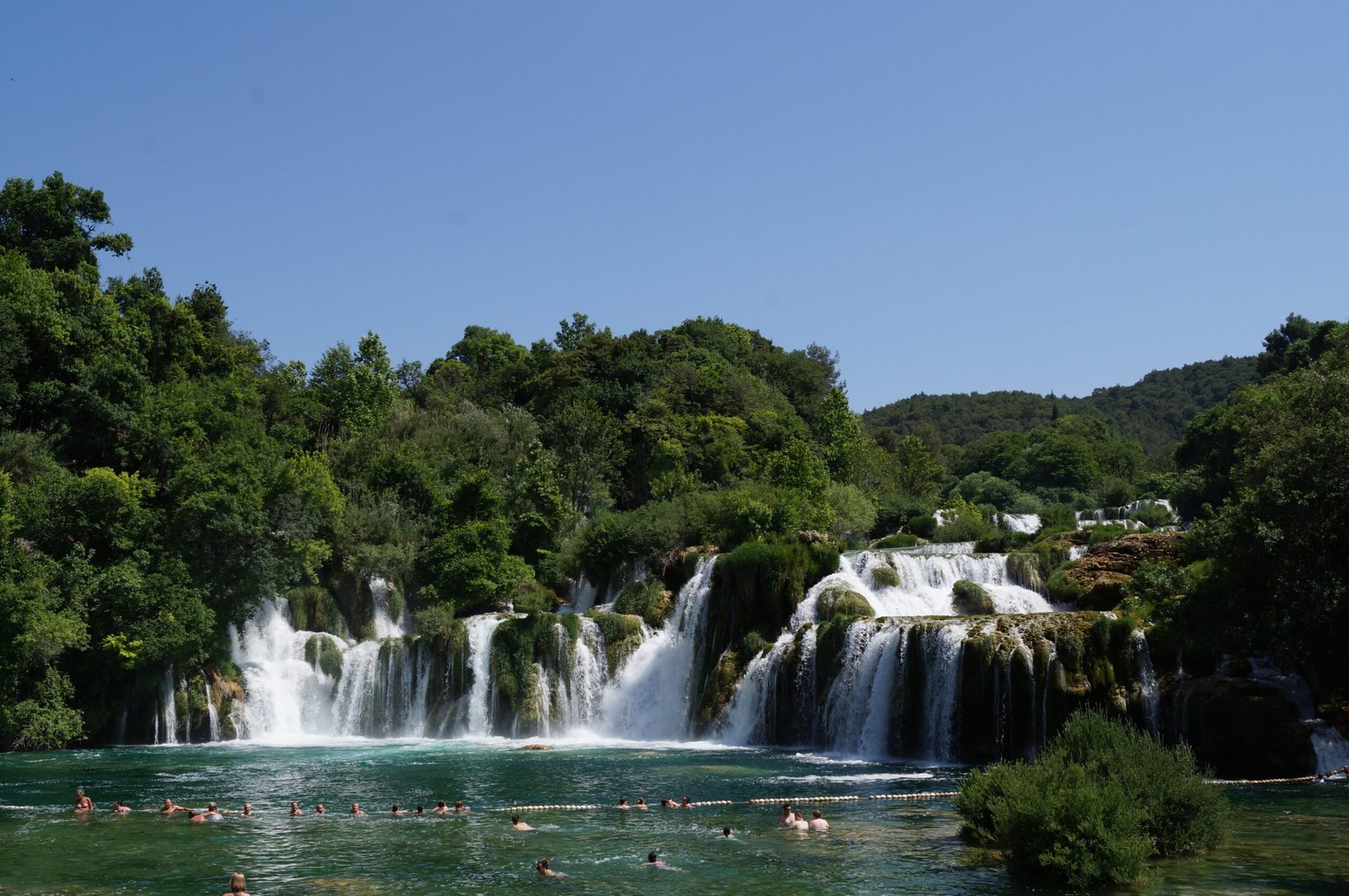
Šibenik serves as a convenient base for visiting Krka National Park, located about 17 kilometers away. Visitors can reach the park by car, organized boat tour, or public bus, with boat tours from Šibenik’s waterfront offering a scenic route and avoiding parking difficulties. The park’s main entrances are Skradinski Buk, known for its waterfall cascades, and the quieter Roški Slap, which connects to Visovac Island’s Franciscan monastery.
The guide covers 2026 ticket prices, swimming restrictions in effect since 2021, and practical advice on timing, footwear, and food. It recommends visiting early or during shoulder season to avoid crowds, and suggests combining a Krka visit with exploring Šibenik’s old town and cathedral.
Getting to Krka National Park from Šibenik
Šibenik is your ideal base for visiting Krka National Park. The park’s most popular entrance, Skradinski Buk, sits just 17 kilometers from the city center — roughly a 25-minute drive along well-marked roads. This proximity is one of the main reasons savvy travelers choose Šibenik over Split or Zadar when planning a Krka visit.
You have three realistic options for getting there:
- By car or scooter: Take the road toward Skradin, park in the designated lots (paid parking, approximately 4–7 EUR/day depending on season), and board the free park boat to the waterfall area. This is the most flexible option.
- By organized boat tour from Šibenik: Several local agencies operate daily boat excursions departing from Šibenik’s waterfront (riva). The boat travels up the Krka River estuary — genuinely one of the most scenic approaches to the park anywhere in Croatia.
- By public bus: Šibenik’s main bus station connects to Skradin and Lozovac (another park entrance) multiple times daily during summer. Budget around 20–30 minutes and roughly 5–8 EUR per trip.
If you’re staying in the Šibenik old town, the boat tour option genuinely outperforms the rest. You skip the parking chaos, enjoy the Šibenik channel and Krka estuary, and arrive relaxed directly at the park.
What to Expect Inside the Park: Entrances, Highlights, and Honest Advice
Krka National Park has multiple entry points, but two dominate visitor traffic: Skradinski Buk and Roški Slap. For first-time visitors coming from Šibenik, Skradinski Buk is the obvious choice — it’s the most accessible and contains the park’s most iconic waterfall cascade.
Skradinski Buk
The main waterfall area stretches across a series of 17 travertine barriers, creating pools and cascades that locals have admired for centuries. Swimming was famously banned here in 2021 after years of ecological pressure. Don’t believe anyone who tells you otherwise — enforcement is active, and fines are real.
The boardwalk loop around the falls takes about 45–60 minutes at a comfortable pace. Arrive before 9:00 AM or after 4:00 PM in peak summer to avoid the worst crowds and get better photographs. Midday in July and August can feel genuinely overwhelming.
Roški Slap and Visovac Island
Most visitors miss Roški Slap, which is a mistake. This upper waterfall section is quieter, surrounded by dense riverside vegetation, and feels completely different from Skradinski Buk. From Roški Slap, boat trips also run to Visovac Island, home to a Franciscan monastery dating to the 15th century. The island sits in the middle of the Krka River lake — one of the more quietly extraordinary sights in Dalmatia.
Combined with Roški Slap, the Visovac excursion adds approximately 2 hours to your day. Worth every minute.
Park Ticket Prices (2026 Season)
| Category | High Season (June–Sept) | Low Season |
| Adults | 40 EUR | 10 EUR |
| Children (7–17) | 20 EUR | 5 EUR |
| Children under 7 | Free | Free |
Tickets purchased online in advance are the same price but guarantee entry during timed-slot periods — increasingly enforced during peak months. Book ahead to avoid turning back at the gate.
Practical Tips for a Smarter Visit
A few things that separate a smooth Krka day from a frustrating one:
- Start early or go late: The park opens at 8:00 AM. Arriving at opening during July and August is genuinely transformative — you’ll share the boardwalk with almost no one. Alternatively, arriving after 4:00 PM means fewer tour groups and buses, as most day-trippers have already left for the coast.
- Wear proper footwear: Boardwalks can be slippery, especially near mist zones around the falls. Sandals work fine; flip-flops do not.
- Bring cash and card: Parking areas near Skradin still occasionally prefer cash. Inside the park, card payments are widely accepted.
- Pack food and water: Catering inside the park exists but is expensive and crowded in summer. A small backpack with snacks and a refillable bottle makes a real difference.
- Combine with Šibenik’s old town: Return to Šibenik by mid-afternoon, grab a coffee on the riva, and visit the Cathedral of St. James — a UNESCO World Heritage site that most Krka day-trippers skip entirely. Don’t be that person.
The shoulder season — May, early June, September, and October — is objectively the best time to visit. Ticket prices drop, crowds thin dramatically, and the light along the Krka River canyon is extraordinary.
Frequently Asked Questions
Can you swim at Krka National Park?
Swimming has been prohibited inside Krka National Park since 2021, including at Skradinski Buk. The ban applies to all visitors and is actively enforced by park rangers. For swimming near Šibenik, head to the nearby beaches at Jadrija or the Kornati-adjacent islands instead.
How many hours do you need for a Krka day trip from Šibenik?
A focused visit to Skradinski Buk alone takes 2–3 hours including travel. If you add Roški Slap and a Visovac Island boat trip, plan for a full 6–7 hour day. Most visitors find the extended itinerary well worth it, especially outside peak summer months.
Is it better to visit Krka independently or on an organized tour from Šibenik?
Both work well depending on your priorities. Independent travel by car gives you timing flexibility and access to multiple entrances. Organized boat tours from Šibenik’s waterfront offer a scenic river approach, guide commentary, and zero parking stress — making them the smarter choice for first-time visitors without a rental car.