
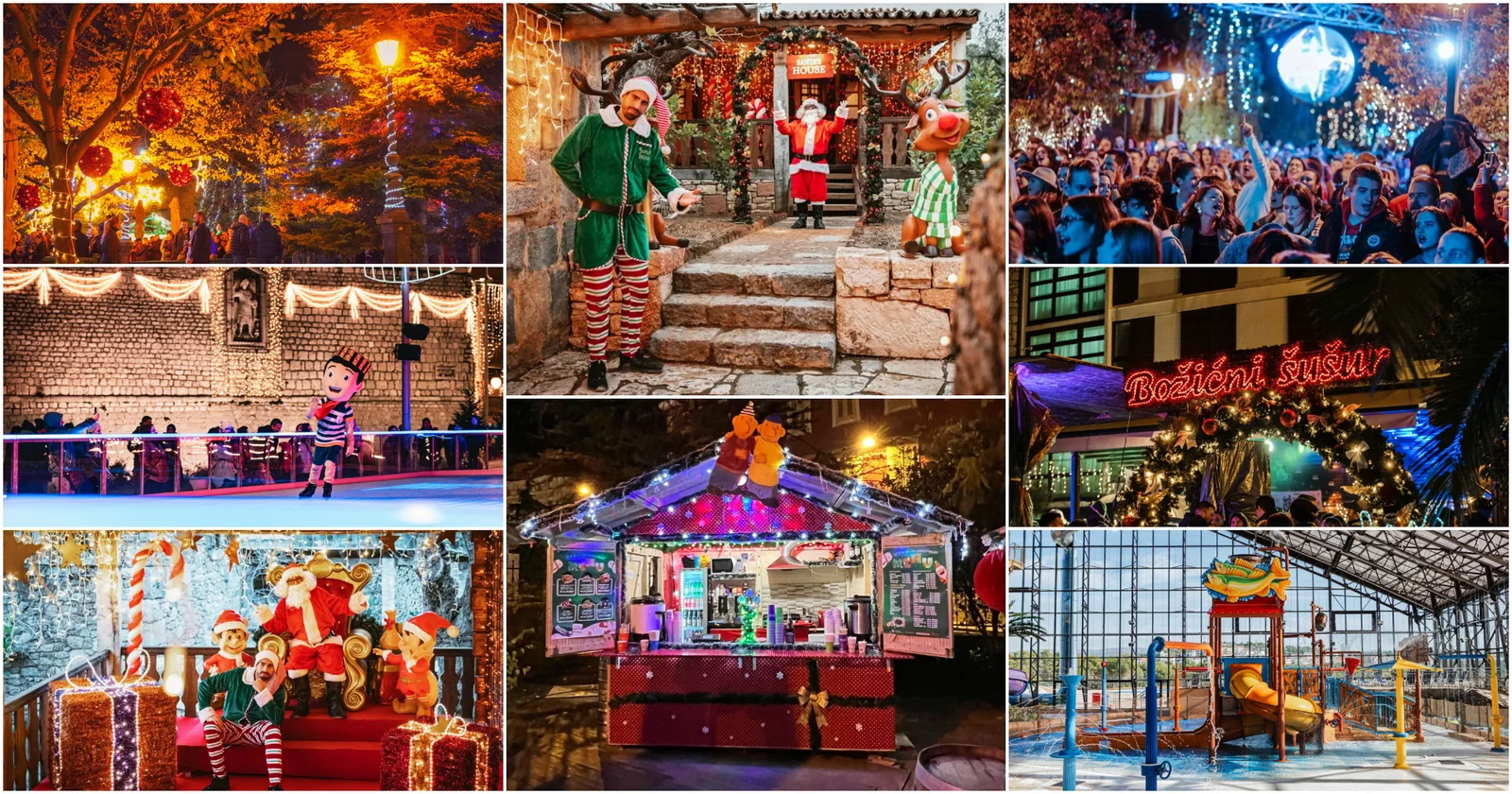
Dalmatia’s December atmosphere combines mild coastal winter weather with Advent celebrations centered on town squares and markets. Historic cities including Split, Dubrovnik, Zadar, and Šibenik host seasonal stalls, concerts, and local traditions, while smaller towns and islands offer quieter, community-focused gatherings. Markets vary in size, dates, and programming depending on municipal planning.
Vendors typically offer regional food like fritule and kroštule, mulled wine, handmade crafts, and olive oil products, creating opportunities for cultural exchange between residents and visitors. Practical guidance covers checking official schedules, planning transport around limited winter services, packing for changeable weather, booking accommodations early, and balancing market visits with other attractions, while considering accessibility in historic centers.
December in Dalmatia brings a distinctive blend of winter calm and festive energy. Along the Adriatic coast, temperatures are often milder than in inland Europe, and bright days may still invite walks by the sea. Cooler evenings, occasional rain, and the short daylight hours nevertheless give the season a clear winter character. In historic towns, limestone streets and stone façades take on a warm glow beneath holiday lights, while waterfront promenades and harbors provide a memorable setting for seasonal gatherings. The atmosphere is less defined by snow than by the meeting of sea air, old architecture, music, and local hospitality.
Advent celebrations are an important part of the December calendar, creating opportunities for communities to gather in public squares and familiar neighborhood spaces. Markets often serve as their lively center, bringing residents together with visitors, artisans, performers, and food vendors. Stalls may offer handmade decorations, crafts, gifts, and regional products, alongside warming drinks and dishes associated with the season. Concerts, children’s activities, and other cultural events can add to the program, although the character of each celebration reflects its town. In larger destinations, the market may be a major attraction; in smaller places, a more intimate gathering can offer a closer glimpse of everyday customs.
Local traditions shape the experience as much as the stalls themselves. Families and friends meet for conversation, seasonal food, and evening entertainment, while visitors can discover regional flavors and observe how historic settings remain part of contemporary life. Dalmatian holiday customs vary between islands, coastal towns, and inland communities, so no single market represents the entire region. Events also change from one year to the next: market size, opening dates, schedules, and activities depend on each destination and its municipal plans. Travelers should check current official town or city schedules before arranging transport or accommodation, especially when visiting smaller communities. With a little advance planning, December offers a rewarding way to experience Dalmatia beyond its summer season.
Split’s festive season often centres on the historic heart of the city, where decorated stalls and seasonal displays can bring a lively atmosphere to squares and lanes near Diocletian’s Palace. The setting combines Roman architecture with contemporary celebrations, making a stroll through the old town part of the experience. Visitors may find food and craft vendors, concerts, family activities, or performances in public spaces, depending on the year’s programme. The waterfront promenade offers another appealing backdrop, with the harbour and palm-lined Riva framing an evening walk. Because arrangements can change, check Split’s official tourism and city announcements before planning around a particular event.
Dubrovnik’s Christmas market experience is shaped by its walled Old Town, where historic streets and central gathering places provide an atmospheric setting for seasonal stalls and decorations. Visitors can explore the lanes, pause for local treats, and look out for music or cultural performances announced during the season. In Zadar, festive activity may extend across central squares and waterfront areas, pairing the city’s sea views with food, crafts, concerts, and events for children. Šibenik offers a similarly distinctive blend of heritage and holiday ambience: its old-town squares and stone streets can host seasonal gatherings, while nearby cultural venues may add performances to the programme. In each city, the precise locations and activities depend on current local plans.
Smaller coastal towns and islands can make a quieter alternative to the larger city markets. Their celebrations may be arranged in a main square, along a harbour promenade, or around a community venue, with locally made gifts, regional specialities, family workshops, and occasional live entertainment. The scale is often more intimate, and visitors may encounter a stronger sense of neighbourhood life alongside the seasonal decorations. Some destinations organise events only on selected days, while others adapt their programmes from year to year. Before travelling, consult municipal websites, local tourism offices, and official event notices for current locations, dates, and activities. This helps ensure that a market visit fits the season’s actual schedule rather than assumptions based on previous years.
Dalmatian Advent markets bring seasonal cooking into the heart of towns and cities, with aromas of fried dough, spice, and roasting food drifting through decorated squares. Fritule, small doughnuts often flavored with citrus, raisins, or a splash of rakija, are a familiar holiday treat. Kroštule, crisp ribbons of fried pastry dusted with sugar, offer a lighter alternative. Stalls may also serve roasted chestnuts, sausages, sandwiches, and other warm dishes suited to a winter evening outdoors. Visitors can sip mulled wine or hot punch, while some vendors feature regional wines, liqueurs, and local specialties. Menus vary from place to place, and even neighboring stalls may prepare the same dish in different ways.
Food is only part of the appeal. Market stalls often display handmade ornaments, candles, knitted or woven textiles, and ceramics shaped or painted by local makers. Olive oil and products made from it, including soaps and cosmetics, provide practical gifts with a strong connection to the region. Depending on the town and the season, visitors may also find preserves, honey, dried herbs, sweets, and other goods produced by small businesses and family farms. These purchases offer a chance to take home something useful or decorative while supporting artisans and producers whose work reflects local materials and skills. The selection is not identical across Dalmatia; each market has its own mix of vendors and specialties.
Markets also serve as meeting places where seasonal customs become part of everyday public life. Families gather for food and conversation, friends arrange to meet beneath lights in familiar squares, and visitors share space with residents enjoying the festivities. Live music may range from choirs and traditional performances to contemporary bands, adding sound to the streets and inviting passersby to pause. In coastal towns, historic stone lanes, waterfront promenades, and central plazas become informal stages for these gatherings. The combination of local flavors, handmade goods, music, and shared celebrations gives each Advent market a distinct character, rooted in Dalmatian community life as well as the wider holiday season.
Begin by checking the official event calendars for each town rather than assuming that every market operates throughout Advent. Dates, opening hours, and daily programmes can differ, and some stalls may close on particular days. Build your route around the markets you most want to see, then confirm bus, ferry, and train schedules. Winter services may run less frequently, while shorter daylight hours make late connections and long transfers less convenient.
Plan for changeable coastal weather. Dalmatian winters are often mild, but wind and rain can make evenings feel cold, especially near the waterfront. Pack layers, a waterproof jacket, comfortable shoes with good grip, and an umbrella that can withstand gusts. Reserve accommodation early for popular weekends and, where a particular restaurant is important to your plans, book a table in advance. This is especially useful in smaller towns, where seasonal opening hours may vary.
A flexible multi-stop itinerary can combine Split or Šibenik with Zadar or Dubrovnik, but choose the sequence according to actual travel times and seasonal connections. Rather than trying to cover the entire coast in a few days, allow time to enjoy each destination. Weekdays are generally calmer for browsing stalls and visiting attractions; evenings and weekends often bring larger crowds, performances, and a livelier atmosphere. Families may prefer earlier visits, when children can explore before the busiest hours.
Reserve your Accomodation on time

Check accessibility before travelling, as historic centres can include uneven paving, steps, and narrow lanes, and market layouts may be crowded. Confirm whether your accommodation, transport, and chosen attractions meet any mobility or family needs. Markets are only one part of a winter visit: add old-town walks, museums, galleries, and relaxed meals at local restaurants. Keeping open time in the schedule allows you to adapt to weather or transport changes and discover seasonal events along the way.