
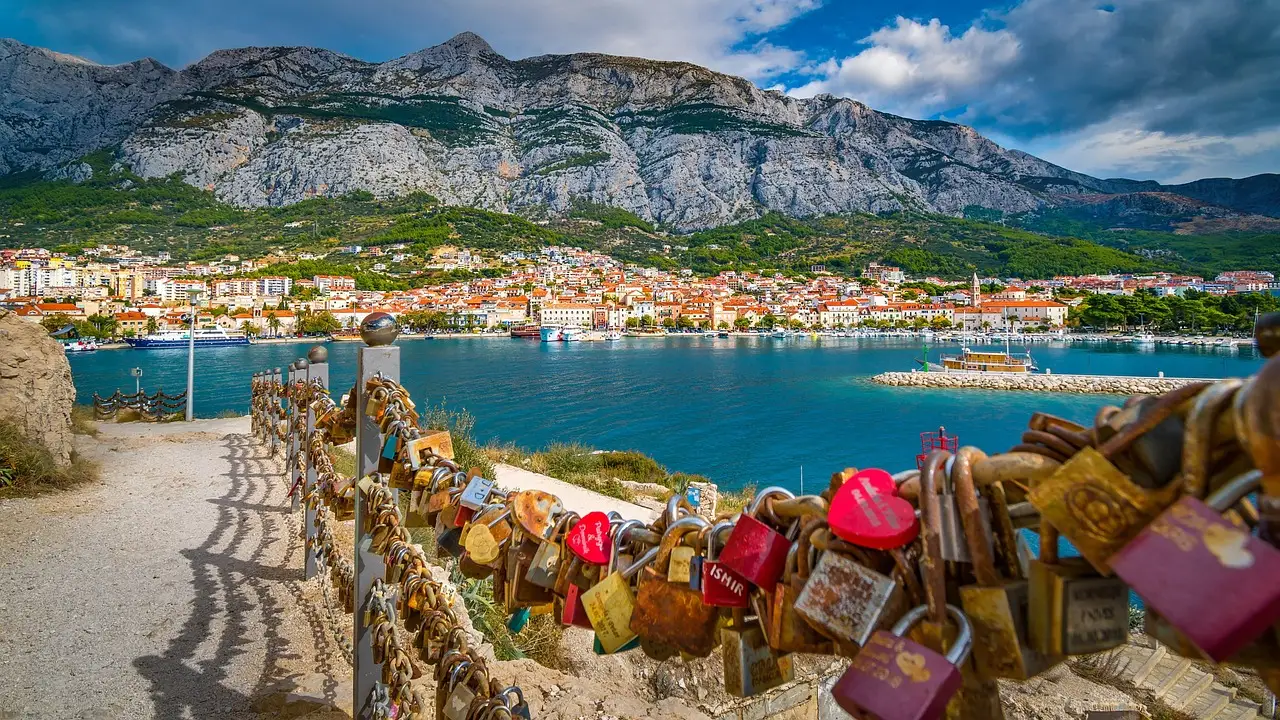
Makarska sits between the clear waters of the Adriatic Sea and the steep slopes of the Biokovo mountains, giving summer visitors both a lively waterfront and a striking natural backdrop. From late spring through early autumn, days are generally warm and sunny, while July and August bring the busiest beaches, promenades, restaurants, and seasonal events. The atmosphere is energetic, but demand for accommodation, parking, and transport also rises, particularly during peak holiday weeks.
For a quieter balance of pleasant weather and manageable crowds, consider visiting in June or September. A stay of three or four nights allows time for swimming, exploring the old town and harbour, and taking a nearby excursion without rushing. A longer visit suits travellers who want to add hiking, boat trips, or relaxed beach days. Staying near the waterfront or central beach makes it easy to reach many restaurants and attractions on foot; accommodation farther uphill may offer quieter surroundings but involve steeper walks.
Reserve your room well in advance if travelling in July or August, and check cancellation terms before booking. Makarska’s centre is compact, so walking is often the simplest way to get around, although summer heat can make short distances feel longer. Local buses and taxis can help with trips beyond the centre, while a car offers flexibility for visiting nearby villages and beaches. However, traffic and limited parking can make driving inconvenient in town. Compare transport options according to your itinerary rather than assuming a car is essential.
Pack sunscreen, a hat, and a refillable water bottle, and consider bringing water shoes for rocky or pebbled shorelines. If you plan to take a ferry, boat tour, or organised excursion, check current schedules and book ahead where possible; routes and departure times can change by season or weather. Build some flexibility into each day, combining morning walks or outings with time by the water and a slower evening along the promenade. This approach makes it easier to enjoy Makarska’s summer energy while leaving room for rest and spontaneous plans.
Makarska’s central beaches are a convenient choice for visitors who want swimming, dining, and other facilities close at hand. These long pebble stretches sit beside the waterfront promenade, so cafés, beach bars, showers, and services are generally easy to reach. The water is often strikingly clear, with the Biokovo mountains forming a dramatic backdrop. In July and August, however, this convenience comes with busy shorelines and lively, sometimes crowded conditions. Arriving early can help secure a comfortable place, particularly for families or anyone hoping to settle near the water.
The Makarska Riviera pairs clear Adriatic water with a dramatic backdrop of mountains, pine trees, and pretty coastal towns. With so many places to swim and unwind, choosing just a few can be tricky. These three beaches offer different ways to enjoy the shoreline, from a famous postcard view to a quieter, more secluded escape.
Punta Rata, Brela
Punta Rata is one of the Riviera’s best-known beaches, and its scenery explains why. Smooth white pebbles meet brilliant blue water, while pine trees provide patches of welcome shade. Just offshore, the distinctive Brela Stone, topped with a few hardy trees, makes a memorable photo. The beach is a lovely choice for swimming and relaxing, though it can get busy in summer. Arrive earlier in the day to enjoy a calmer atmosphere and a good spot by the water.
Nugal Beach, near Makarska
For a more secluded setting, consider Nugal Beach, tucked between Makarska and Tučepi beneath steep cliffs. Reaching it usually involves a walk along a coastal trail, so wear sturdy shoes and bring water. The effort is rewarded with a beautiful cove, clear sea, and a stronger sense of escape from the town crowds. Facilities are limited, and parts of the beach are known for naturist sunbathing, so check local conditions and choose the spot that feels right for you.
Tučepi Beach
Tučepi’s long pebble beach is an easy-going option for a full day by the sea. Its gentle access to the water, nearby cafés, and promenade make it especially convenient for families and groups with different plans. You can swim, rent a sunbed, take a stroll beneath the pines, or pause for a snack without wandering far. In peak season, the central stretches are lively; walk farther along the shore to find a little more breathing room.
Choosing Your Beach
Pick Punta Rata for iconic scenery, Nugal for a quieter cove, or Tučepi for convenience and amenities. Whichever you choose, pack water shoes for the pebbles, sun protection, and a towel—and leave time to enjoy the mountain views.
Expect pebbles rather than soft sand along much of the Makarska Riviera. Water shoes can make walking and entering the sea more comfortable, while natural shade may be limited on exposed sections. Some beaches have areas with trees, umbrellas, or loungers for hire, but availability varies. Check access before setting out with young children or mobility needs in mind: central areas are typically straightforward to reach, while coves may involve steps, uneven paths, or a longer walk. Facilities such as showers and beach bars are not guaranteed at every spot, so bring water and other essentials when exploring farther afield.
For a different setting, consider coves and shoreline stretches toward Tučepi, Brela, or Baška Voda. These nearby destinations offer opportunities for coastal walks and day trips, with scenery and atmosphere that can differ from Makarska’s busier town beaches. Reaching them may require a bus, car, boat, or a substantial walk, depending on the location; check distances and transport options before planning a full beach day. Wherever you swim, respect the coastline by taking rubbish with you, avoiding damage to plants and marine life, and keeping noise considerate. Facilities, access, and sea conditions can change, so verify current local information before travelling, especially in peak season or after unsettled weather.
Makarska’s dining scene ranges from restaurants overlooking the harbor to small family-run konobas tucked along quieter streets. The waterfront is convenient for a sunset meal, but tables there can be busy and prices may reflect the view. For a more relaxed experience, walk a few blocks away from the promenade and look for places with menus that emphasize seasonal ingredients and local cooking. Bakeries and cafés are useful for breakfast, coffee, or a simple snack, while beach bars and casual eateries offer quick meals between swims.
Makarska’s food reflects its coastal setting: fresh Adriatic fish, olive oil, seasonal vegetables and familiar Dalmatian dishes. For a memorable local meal, these three restaurants are worth considering. Menus and opening hours can change, so check current details before you go.
1. Konoba Kalalarga
Set along Makarska’s historic Kalalarga street, this konoba is a natural choice for traditional Dalmatian cooking in a relaxed, old-town setting. Look for dishes such as grilled fish, seafood, and regional meat or vegetable specialties, depending on the day’s menu. Ask what has been caught locally and whether there is a seasonal dish; those questions can lead you to the freshest options. It is a good fit for visitors who want a meal that feels rooted in the town rather than a quick beachside stop.
2. Hrpina
Hrpina is another central option for exploring Croatian and Dalmatian flavors. Its location makes it convenient before or after a stroll through the old town, while a varied menu can suit a group with different tastes. Consider ordering grilled seafood or a traditional local plate, and ask staff to explain unfamiliar ingredients. For the best experience, take your time and pair the meal with a local wine recommended by the restaurant.
3. Stari Mlin
Stari Mlin offers a further option for diners seeking regional food in Makarska. As with any coastal restaurant, availability of particular fish depends on the season and the day’s catch. Ask about the fresh catch, preparation style and portion size before ordering. This is especially useful if you are choosing between a whole grilled fish and a seafood dish to share.
How to choose
For the most authentic meal, prioritize seasonal ingredients over a long list of familiar tourist favorites. Reserve ahead during busy summer evenings, check the day’s specials, and confirm prices for fish sold by weight. These three restaurants provide a helpful starting point for enjoying Makarska’s local food, but the freshest recommendation of the day may be the best dish on the table.
Dalmatian menus often feature grilled fish, shellfish, and other seafood, along with black risotto colored with cuttlefish ink and dishes made with octopus. Ask what the day’s catch is rather than assuming a particular fish will be available. Some seafood is priced by weight, so check the listed rate and confirm the approximate cost before ordering. Local cheeses and cured meats make a good shared starter, and peka-style dishes—meat or seafood cooked slowly beneath a covered bell—may need to be ordered in advance.
Seasonal produce appears in salads, vegetable sides, and simple preparations that let ripe tomatoes, olives, and herbs stand out. Menus may also include pasta, grilled meats, and familiar options for visitors who prefer something less adventurous. There is no single dish that every traveler needs to try; choose according to appetite, dietary needs, and what looks appealing. If the menu is unclear, staff can often explain ingredients or suggest a portion size.
During peak summer evenings, especially at popular waterfront restaurants, reservations are sensible. Croatian wines, including regional white and red varieties, pair well with seafood or grilled dishes, and many restaurants can recommend a glass or bottle. Leave room for a local dessert if you wish: options may include fritule, small fried dough treats, or rožata, a custard dessert. Exploring a few different places can offer a fuller sense of Makarska’s food culture than relying on one highly recommended meal.
A summer day in Makarska works best when it leaves room for rest as well as sightseeing. Start early with a swim, when the waterfront is quieter and the sun is less intense. Pack water, sunscreen, a hat, and any beach essentials before setting out, and choose a spot that suits your needs for shade, facilities, and access to the sea.
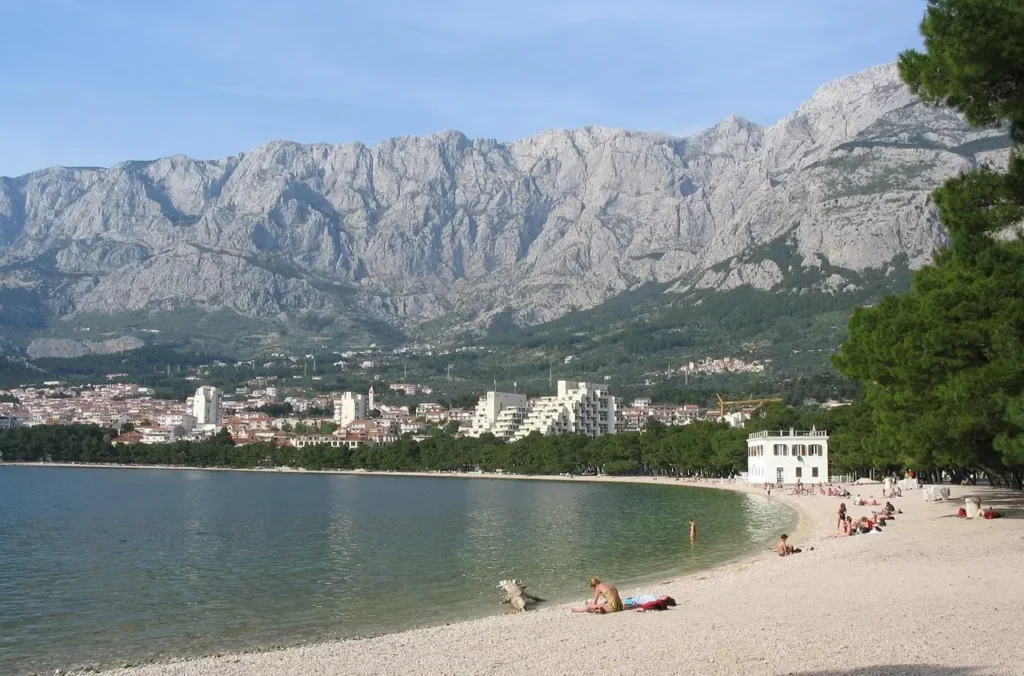
After a few hours by the water, take a relaxed lunch in town or near the coast. Local restaurants and cafés offer options ranging from seafood to simple lighter meals, but menus, opening hours, and availability can vary by season. During the hottest part of the afternoon, consider returning to your accommodation, finding a shaded café, or taking an unhurried break indoors rather than staying exposed on the beach.
Use the cooler hours for a change of pace. A walk through Makarska’s old town can add historic streets and small squares to a beach-focused visit, while the waterfront and harbor are pleasant places to browse or pause for a drink. Boat excursions may provide another way to explore the coast and nearby islands; check departure times, sea conditions, and operator details before committing, as schedules can change.
For a broader view, look toward the Biokovo range or investigate available excursions and viewpoints. Access, weather, and physical demands differ, so confirm current conditions and choose an option appropriate to your mobility and experience. Finish with dinner near the harbor or an evening stroll along the promenade, when temperatures often become more comfortable and the town takes on a lively atmosphere.
Plan for strong sun and heat: drink water regularly, seek shade, and avoid strenuous activity during peak afternoon temperatures. Keep valuables secured and do not leave them unattended on the beach. Carry some cash alongside a payment card, since accepted payment methods can differ. If visiting a neighboring beach or joining an excursion, check return transport in advance, including the last departure. In busy periods, allow extra time for meals and transfers. Adjust the day to crowds, weather, mobility needs, and your own pace; a shorter swim or a longer rest can be as worthwhile as fitting in another activity.
Makarska in Summer: Five FAQs from the Coast
Makarska in July is a sun-drenched mix of turquoise water, pine-scented promenades, and the cheerful realization that you probably should have brought a hat. Here are five questions that come up every summer, answered with a local’s perspective—and minimal sunscreen judgment.
1. When is the best time to visit?
June and September are the sweet spots: warm enough for swimming, lively enough for dinner out, and generally less crowded than peak July and August. Those high-season months bring long evenings and a bustling waterfront, but also fuller beaches and busier roads. Early mornings are lovely in any month—especially if you enjoy having the promenade almost to yourself.
2. Which beach should I choose?
Makarska’s central beach is convenient, scenic, and close to cafés, which is another way of saying you’ll never be far from an iced coffee. For a quieter feel, stroll along the coast toward smaller coves beyond the busiest stretch. Pebbles are the local norm, so water shoes are a sensible packing choice, not a fashion emergency.
3. Do I need a car?
Not for exploring the town itself. The center is walkable, and boats and local transport can help with nearby outings. A car is useful for visiting other Dalmatian towns or inland spots, but summer traffic and parking can test even the most peaceful holiday spirit. Plan ahead, or let someone else handle the steering.
4. What should I do besides swim?
Walk the palm-lined waterfront, browse the old town, or take a boat trip to nearby islands. For a bigger adventure, hike on Biokovo Mountain; the views are spectacular, and the climb is an excellent reminder to bring water.
5. What should I eat?
Try grilled fish, fresh seafood, local olive oil, and seasonal produce. Dinner tends to unfold at a relaxed pace, so don’t schedule your evening like a military operation. Order something local, enjoy the sea air, and leave room for ice cream on the way back.
📅 Last updated: