
This post is designed for travelers visiting Croatia who are eager to experience the country’s culinary culture beyond typical tourist experiences. It delves into the key differences between a konoba and a restoran, offering insight into regional specialties and how to identify genuine local dining experiences.
This guide explains the distinction between a konoba, a traditional Croatian tavern, and a restoran, a general restaurant, noting that neither name guarantees quality or price. It offers advice on identifying neighborhood dining spots, recognizing regional dishes, and spotting signs of tourist-oriented venues such as unclear pricing or overly broad menus.
It also provides practical strategies for finding affordable, authentic meals, including ordering seasonal dishes, trying midday specials called marenda, sharing starters, and checking bills for weight-based or hidden charges. The piece concludes with guidance on booking, dietary requests, and resolving billing discrepancies at Croatian restaurants.
For many visitors, the choice between a konoba and a restoran can shape both the meal and the bill. A menu by the harbour may promise traditional dishes, yet serve generic food at prices aimed at passing tourists. Meanwhile, a family-run dining room on a side street may offer regional recipes, seasonal ingredients and a warmer view of local life. Understanding konoba vs restoran helps travellers choose with more confidence. It also makes it easier to find authentic Croatian food without relying on expensive, highly promoted venues. The aim is not to avoid every restaurant in a busy area, but to recognise signs of good value, local custom and honest cooking. This guide explains where locals eat in Croatia, how to avoid tourist trap restaurants in Croatia, and how to seek affordable local food in Croatia while still enjoying the dishes each region does best.
Choose local tables, taste authentic Croatian food and avoid tourist prices.
Konoba vs restaurant: understanding the distinctions in Croatian dining
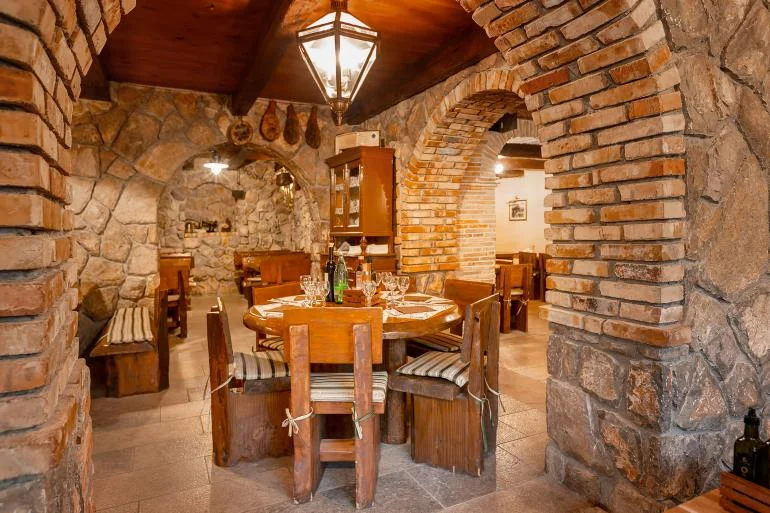
A konoba is traditionally a modest Croatian tavern or dining room, often linked with home-style cooking, local wine and regional dishes. A restoran is simply a restaurant. It may be informal or refined, locally owned or part of a hotel, traditional or international. The names offer a useful clue, but they do not guarantee quality, price or authenticity.
When weighing up konoba vs restoran, look beyond the sign. A good konoba often has a shorter menu that reflects nearby farms, fishing ports or seasonal produce. On the coast, that might mean grilled fish, octopus salad, squid, shellfish, olive oil and vegetables. Inland, menus may feature slow-cooked meat, freshwater fish, soups, pastries or dishes prepared under a peka lid. Some konobas also focus heavily on grilled meat and pizza, which may suit your group but is not always the strongest expression of the region’s cooking.
A restoran can be an excellent choice when you want a broader wine list, more polished service, vegetarian options or a particular regional speciality. It may also be the better option for a formal evening meal. Do not dismiss a venue because it calls itself a restoran, and do not assume that every rustic interior signals a local kitchen.
- Read the menu before sitting down and check whether the dishes relate to the area.
- Ask what is fresh or prepared that day, rather than starting with the most familiar item.
- Check prices for fish, steak and side dishes, especially where items are charged by weight.
- Notice whether the menu is unusually large. A long list can mean convenience food or a kitchen designed mainly for high visitor turnover.
The best choice depends on the meal you want. A konoba may offer a relaxed, traditional lunch at a sensible price. A respected restoran may provide a carefully prepared local dinner worth paying more for. Judge the food, setting and pricing with the same care, whichever name appears above the door.
According to a recent study, 75% of travelers mentioned that dining at konobas gave them a more authentic Croatian experience compared to other types of restaurants.
Where locals eat in Croatia: discovering neighborhood favorites
Travellers often ask where locals eat in Croatia, expecting one hidden address in each town. In practice, local habits vary by season, budget and occasion. Residents may eat a quick grilled lunch near work, visit a family konoba for Sunday lunch, or book a seafood restaurant for a celebration. The aim is to find places serving regular customers, not to chase an unrealistic idea of a secret restaurant.
Start one or two streets away from the busiest waterfront, landmark or tour-bus stop. In old towns, the difference can be as small as turning into a residential lane. Outside the historic centre, look near markets, marinas used by local boat owners, business districts and residential squares. These areas are more likely to need repeat custom outside the peak holiday months.
Timing offers useful clues. A restaurant filling with Croatian-speaking groups at lunch may be worth a closer look, though language alone is not proof of quality. Observe how people order. If tables are sharing simple dishes, drinking house wine and returning staff greetings, the venue may have a neighbourhood following. A quiet dining room is not automatically poor, particularly early in the evening or outside summer.
Ask questions that invite a practical answer. Hotel staff, apartment hosts, shopkeepers and taxi drivers may have recommendations, but specify what you need: local cooking, a modest budget, fish, vegetarian food or a meal suitable for children. Ask, “Where would you go for a simple local lunch nearby?” rather than “What is the best restaurant?” The second question often produces the most famous option.
Markets can also point you in the right direction. Vendors may mention restaurants that cook a regional ingredient well, while a nearby bakery, butcher or wine bar can reveal what local people buy and eat. Use online reviews as a filter, not a verdict. Read recent comments for details about dishes, prices, service and location. Reviews that mention a single appealing photo but no food specifics are less useful than comments describing what was ordered.
For popular places, booking is sensible. A neighbourhood favourite with limited tables may be full, especially on weekends. Make the reservation directly when possible, confirm the opening day and ask whether a special dish needs advance notice.
Authentic Croatian food to discover on local menus
Authentic Croatian food is regional rather than uniform. Croatia’s coast, islands, mountain areas and inland plains have distinct ingredients and cooking traditions. A menu that reflects its location is usually more informative than one trying to offer every national dish at once.
Along the Adriatic, look for dishes based on the day’s catch and local produce. Riba na gradele is simply fish grilled over an open flame, often served with blitva, a chard and potato side dish. Crni rižot, black risotto coloured with cuttlefish ink, is a coastal classic. Octopus salad, mussels in a wine, garlic and parsley sauce, and grilled squid are common choices, though quality depends on freshness and preparation.
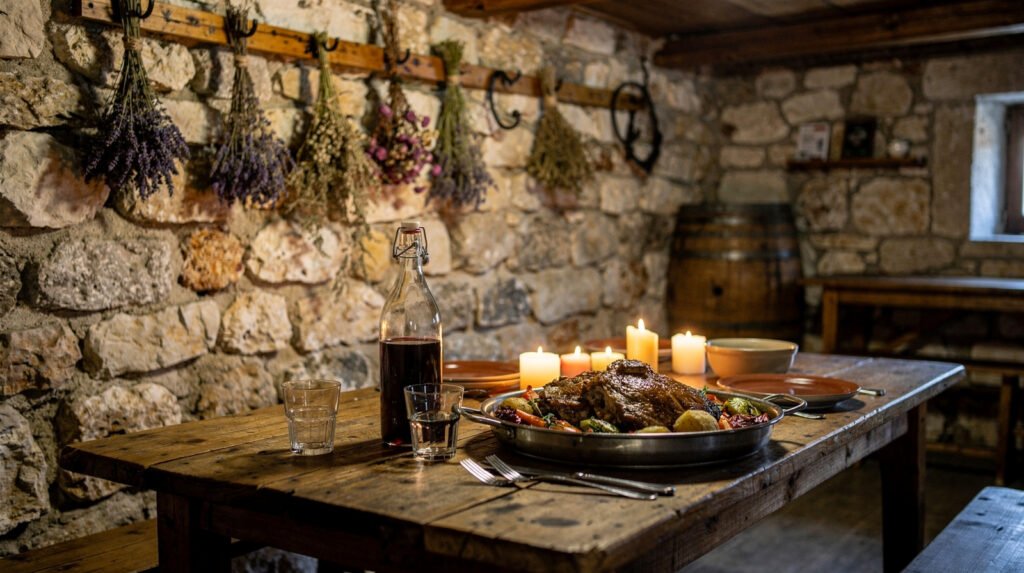
For a slower, shared meal, ask about peka. Meat, octopus or vegetables are cooked beneath a bell-shaped lid covered with embers. It usually needs to be ordered ahead because of the cooking time. This makes it a good choice for a planned evening with several people, rather than a quick walk-in lunch.
In Istria, pasta dishes may feature truffles, wild asparagus or game. Try fuži or pljukanci, types of pasta often served with a rich sauce. Dalmatian menus may include pašticada, beef slowly cooked in a sweet-savoury sauce, usually served with gnocchi. On the islands, cheese, preserved fish, lamb and simple vegetable dishes can be more representative than elaborate seafood platters.
In Zagreb and northern Croatia, seek štrukli, baked or boiled pastry filled with cottage cheese, and purica s mlincima, roast turkey with thin baked dough softened in cooking juices. Eastern regions may offer paprika-rich stews, sausages and freshwater fish. These dishes can be filling, so sharing starters or choosing one main course each may leave room to try more than one local speciality.
Ask how a dish is prepared and whether it is made in-house. “Is the fish local?” or “Which dish would you choose today?” are reasonable questions. Be cautious with vague labels such as “traditional platter” when the menu gives no detail about contents or origin. Regional food can be simple. A plainly grilled fish, good olive oil, seasonal vegetables and local bread may be a more satisfying meal than a large mixed plate designed for photographs
FAQs on Dining in Croatia
What are some signs of a tourist-oriented restaurant in Croatia?
Tourist-oriented restaurants often have overly broad menus that cater to all tastes rather than focusing on regional specialties. They might also display menus in multiple languages prominently and have unclear pricing strategies, especially for items sold by weight. It’s always wise to check recent reviews and ask locals for recommendations.
Why is it important to ask about the preparation and sourcing of dishes?
Asking about the preparation and sourcing of dishes helps ensure that you’re getting a genuine taste of local cuisine. It can also provide insight into the freshness of ingredients used, as locally-sourced items are often fresher. This knowledge enhances your dining experience and helps support local producers.
What kinds of dishes should I expect at a konoba?
A konoba typically serves hearty, homemade-style dishes that reflect seasonal and local ingredients. Expect to find grilled meats, seafood like octopus salad and squid, and traditional side dishes such as chard with potatoes. The atmosphere is usually informal, with a focus on regional recipes and local wines.
Are there vegetarian options available in konobas and restorans?
While traditional Croatian cuisine is often meat or seafood-based, many konobas and restorans are adapting to include vegetarian options. It’s common to find vegetable risottos, pasta dishes, and fresh salads. Always inquire with the staff about available vegetarian meals, and they may offer to customize dishes to suit your needs.
How can I ensure a good dining experience in Croatia?
Research and recommendations are key to a great dining experience in Croatia. Start by asking locals for their favorite spots and read recent online reviews for detailed descriptions of dishes and service. Consider visiting a konoba for an authentic experience and ensure a reservation in advance during peak seasons.
What role do seasonal ingredients play in Croatian cooking?
Seasonal ingredients are at the heart of Croatian cooking, dictating the freshness and variety of dishes available throughout the year. Seasonal menus often highlight the best produce available, such as truffles in the fall in Istria or fresh seafood along the coast. Emphasizing seasonal ingredients ensures high-quality meals and supports sustainable practices.
What can I expect from the wine selection at Croatian dining establishments?
Croatia boasts a rich viticultural heritage, with a wine selection featuring regional varieties such as Malvasia from Istria and Plavac Mali from Dalmatia. A restoran often offers a broader wine list, showcasing both local and international labels. When dining, it’s worthwhile to ask the staff for wine recommendations that pair well with your meal choices.
📅 Last updated: