
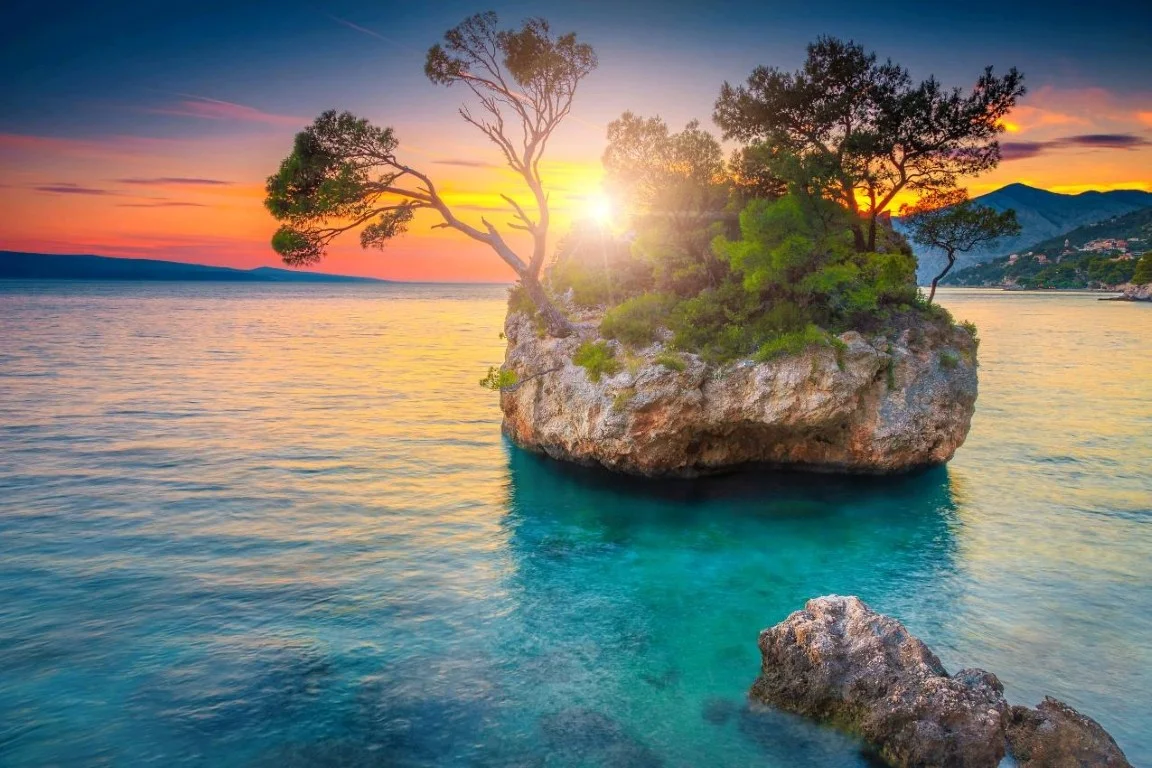
This guide covers lesser-known treasures of Dalmatia’s coastline, perfect for travelers looking to escape the crowded resorts and explore quieter shores and towns. Learn about the hidden beauty of islands like Vis, Šolta, and Pelješac, and the charm of towns such as Komiža, Stari Grad, and Orebić.
Dalmatia’s coastline extends beyond popular resorts to quieter coves, beaches, and towns reachable by coastal paths, boat trips, or short walks. The guide covers lesser-known spots on Vis (including Stiniva Cove), Šolta, and Pelješac, alongside overlooked towns like Komiža, Stari Grad, and Orebić, emphasizing practical preparation for access and conditions.
The content also addresses responsible travel practices, including waste removal, respecting private property and wildlife, and conserving limited resources like fresh water. It recommends shoulder-season travel, early visits to popular sites, flexible itineraries, and supporting local businesses to minimize crowding while preserving the character of coastal communities and natural areas.
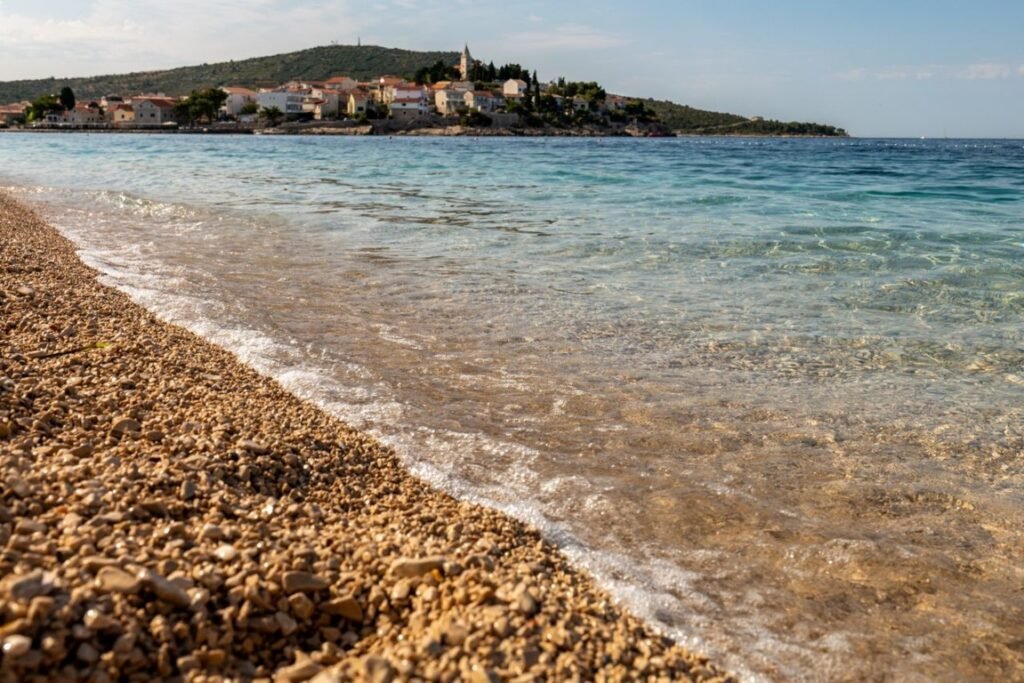
Dalmatia is celebrated for its island chain, historic port towns, and long Adriatic coastline, where stone streets meet harbors and bright blue water. The best-known resorts draw visitors with lively promenades and easy access to beaches, but the region’s quieter shoreline offers a different kind of escape. Away from the busiest bays, travelers may find small coves, pale pebble beaches, and clear water framed by pine trees or rugged limestone.
Reaching these places can be part of the experience. A short walk along a coastal path, a descent from a village road, or a boat trip to a less-populated island can lead to a peaceful stretch of shore. The approach may offer broad views over the sea and neighboring islands, making the journey as memorable as a swim. Some coves are close to settled areas yet remain calm because they lack prominent signs, large car parks, or resort facilities.
Before setting out, check current local access information. Paths may be steep, uneven, or affected by weather, and some beaches are reachable only by water. Bring enough drinking water, sunscreen, a hat, and other sun protection; shade can be scarce, especially around midday. Suitable walking shoes or sturdy sandals are useful on rocky tracks and smooth, sometimes slippery stones. Do not assume that shops, toilets, lifeguards, or public transport will be available nearby, and plan the return journey before leaving.
Enjoying a secluded coast also means helping to keep it undisturbed. Carry out all rubbish, including food scraps, and use established paths rather than trampling coastal vegetation. Avoid disturbing wildlife, collecting natural materials, or leaving noise that carries across the water. Sensitive habitats can be easily damaged, even by small groups of visitors. With modest preparation and respectful choices, Dalmatia’s quieter beaches can offer a rewarding alternative to crowded resort shores while remaining welcoming to the people and nature that make them special.
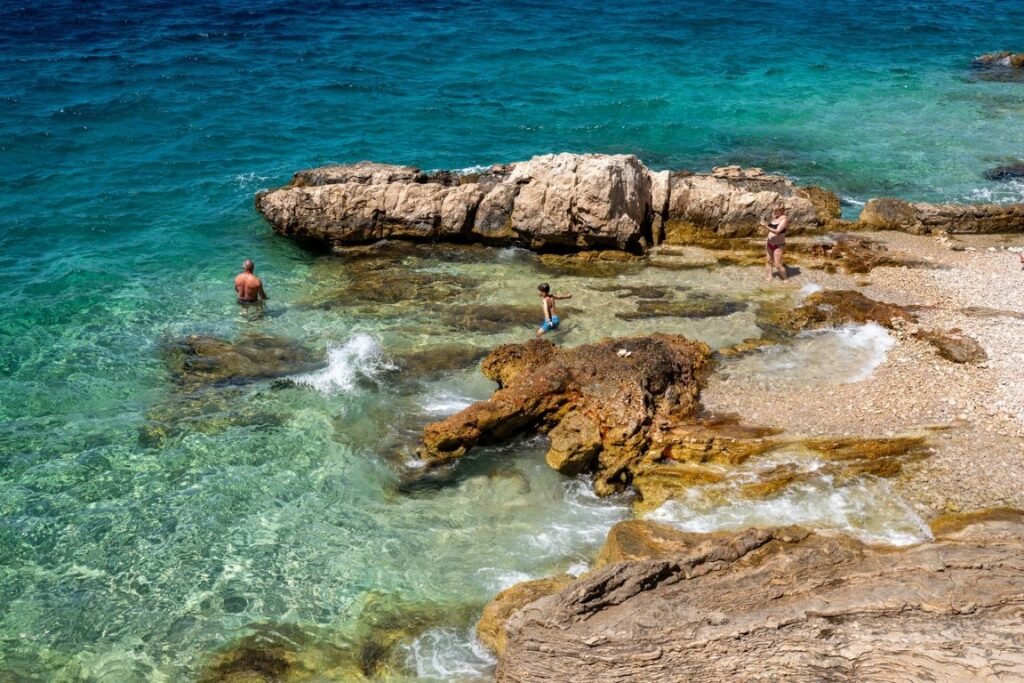
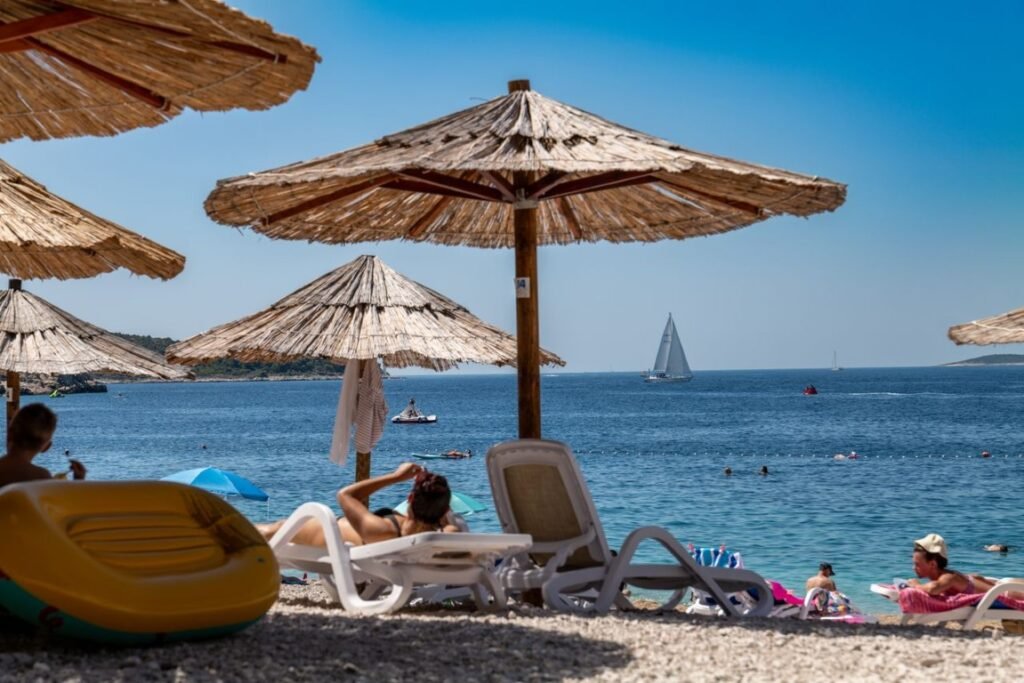
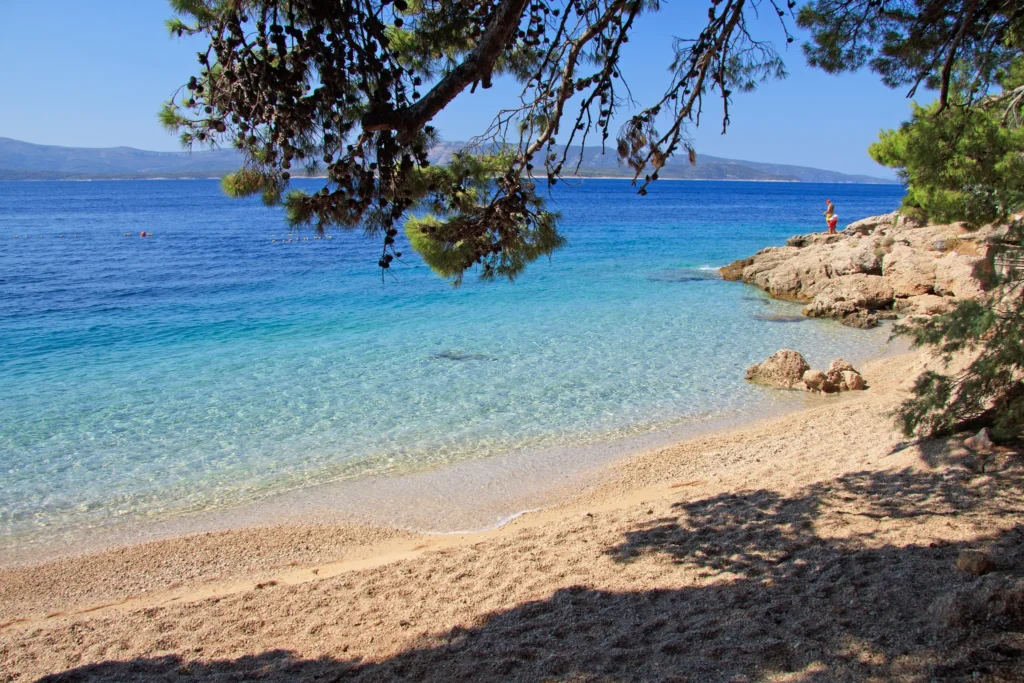
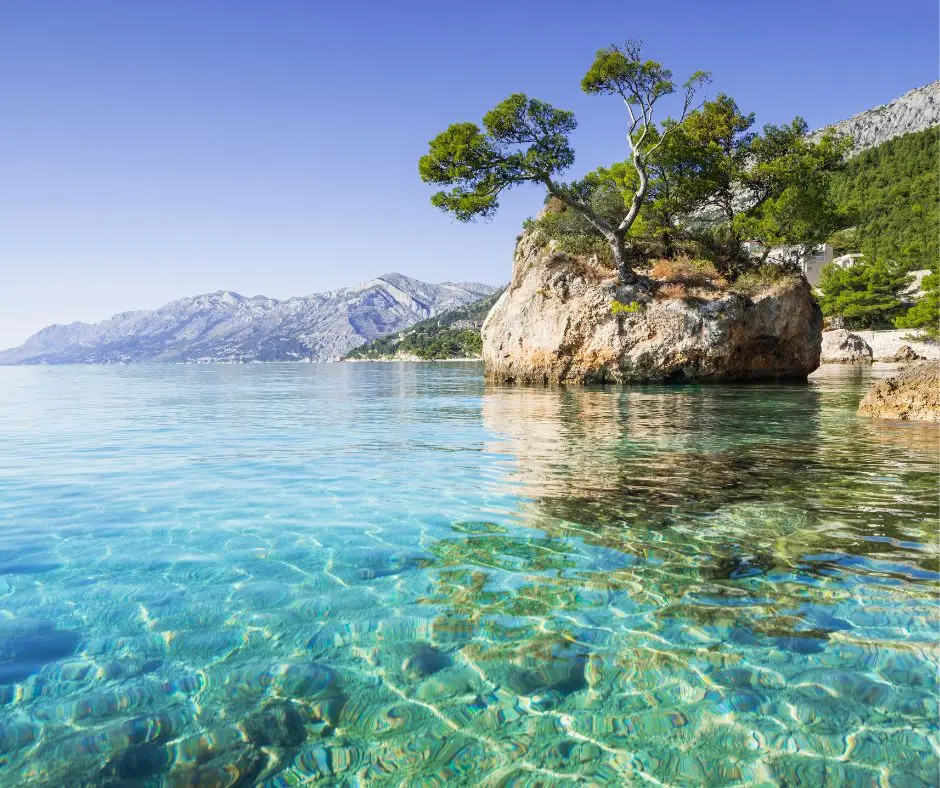
Vis rewards visitors willing to look beyond its best-known swimming spots. Around the island, small bays offer clear water, rocky edges and a slower pace, with pine shade in places and open sun in others. Some are easiest to reach by boat from Vis Town or Komiža; others require a walk along rough tracks, so sturdy footwear and drinking water are useful. Facilities may be limited, and mobile coverage can be patchy. Ask locally about sea conditions before setting out, particularly if travelling by small boat, and avoid landing where access is restricted or clearly crosses private property.
Stiniva is famed for its narrow entrance between high limestone cliffs, which opens onto a sheltered pebble shore. Its dramatic setting draws many visitors, especially during summer midday, so arriving early or later in the afternoon can make the experience calmer, though it cannot guarantee solitude. The footpath down is steep and uneven, and the climb back up can be strenuous in heat. Boat access is another option, but vessels may need to remain offshore, depending on conditions. Wear shoes with grip, carry water, and check the return arrangements before choosing either route.
For a quieter swim, consider Šolta’s coves or the Pelješac Peninsula’s smaller shorelines. On Šolta, pine-fringed bays and modest village beaches have a relaxed, local character; some are reached by road followed by a short walk, while others suit a boat trip. Pelješac offers secluded-feeling inlets and clear water, but access can involve narrow lanes, rocky paths or uneven shoreline. Bring supplies, since services vary, and leave no rubbish. Neither area is undiscovered: visitor numbers change with season, weather and time of day. Respect local customs, keep noise low, and do not cross gates, gardens or marked private land to reach the water.
Coastal Beauties of Dalmatia: Top-Ranked Destinations
Dalmatia’s coastline is a dazzling parade of clear water, dramatic islands, and beaches that make you reconsider every holiday you’ve ever spent beside a hotel pool. Here are five standout spots, each with its own particular talent for stealing the afternoon.
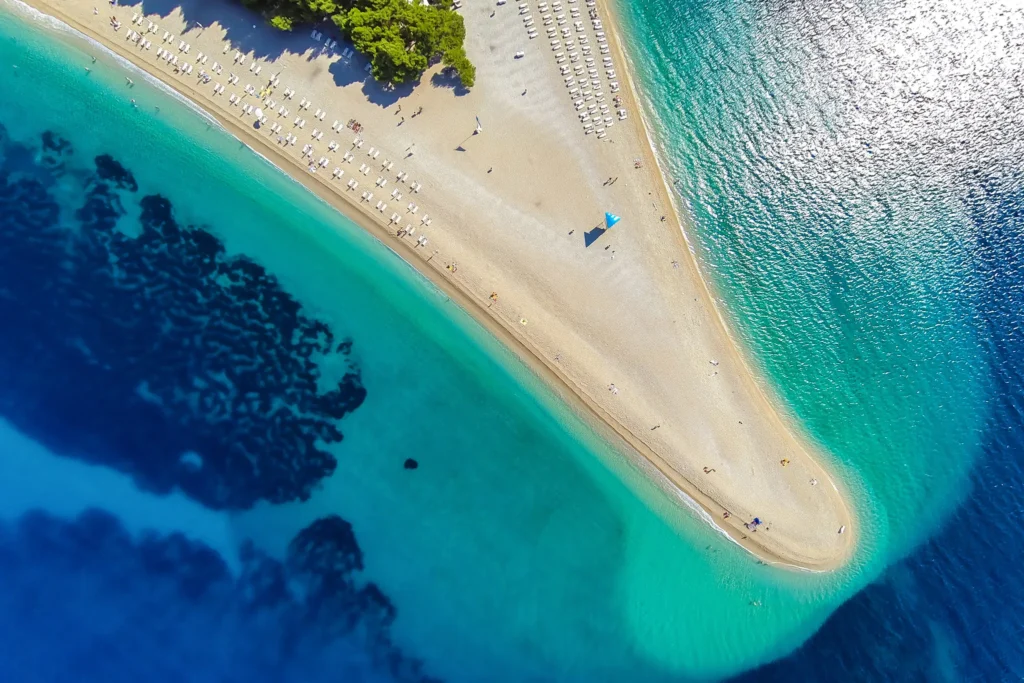
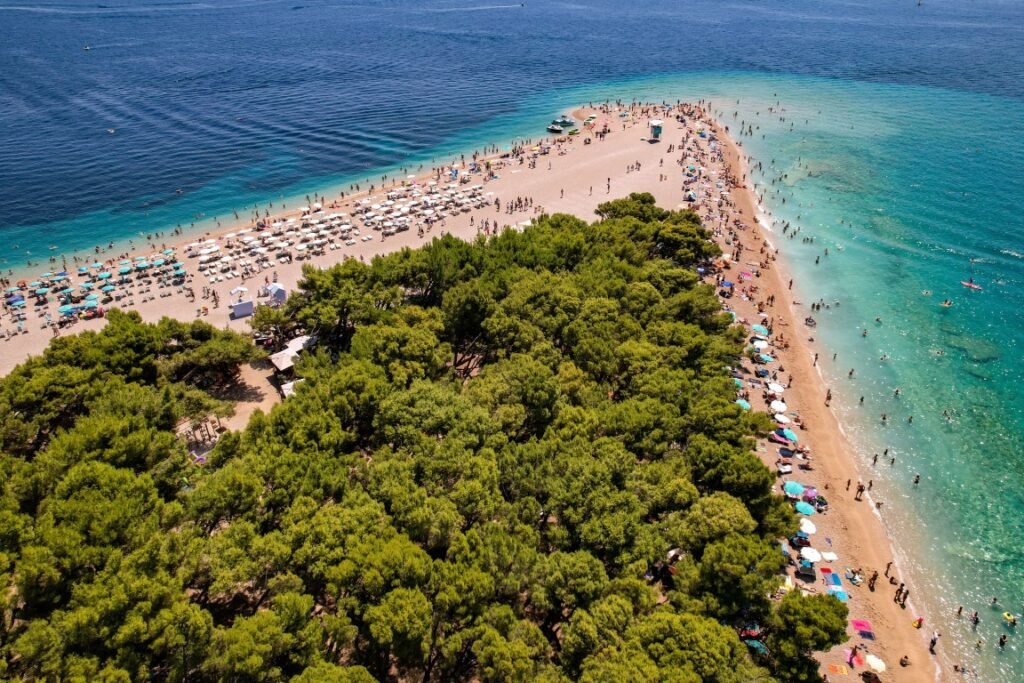
1. Zlatni Rat Beach on Brač Island
This famous spit of pale pebbles points into the Adriatic like a giant arrow saying, “Your boat is over there.” Its shape shifts with currents and wind, so the beach occasionally rearranges itself without consulting you. Expect beautiful views, lively summer crowds, and plenty of reasons to take another photo.
2. Stiniva Bay on Vis Island
Tucked between towering cliffs, Stiniva opens onto a small, sheltered cove with a narrow entrance to the sea. Arriving by boat is the relaxed option; hiking down is the “I earned this swim” option. Either way, the scenery is spectacular enough to make your legs forgive you.
3. Sakarun Beach on Dugi Otok
Sakarun is known for its pale sand and turquoise shallows—a rare combination in a region better known for pebbles. The water stays shallow for a good stretch, making it especially appealing for families and leisurely waders. Bring shade, snacks, and a willingness to stay longer than planned.
4. Pasjača Beach near Dubrovnik
At the foot of steep cliffs, Pasjača feels wonderfully tucked away. Reaching it involves a path and stairs, so this is not quite a hop-out-of-the-car beach. The reward is a striking little shoreline and a quieter mood than Dubrovnik’s busier swimming spots.
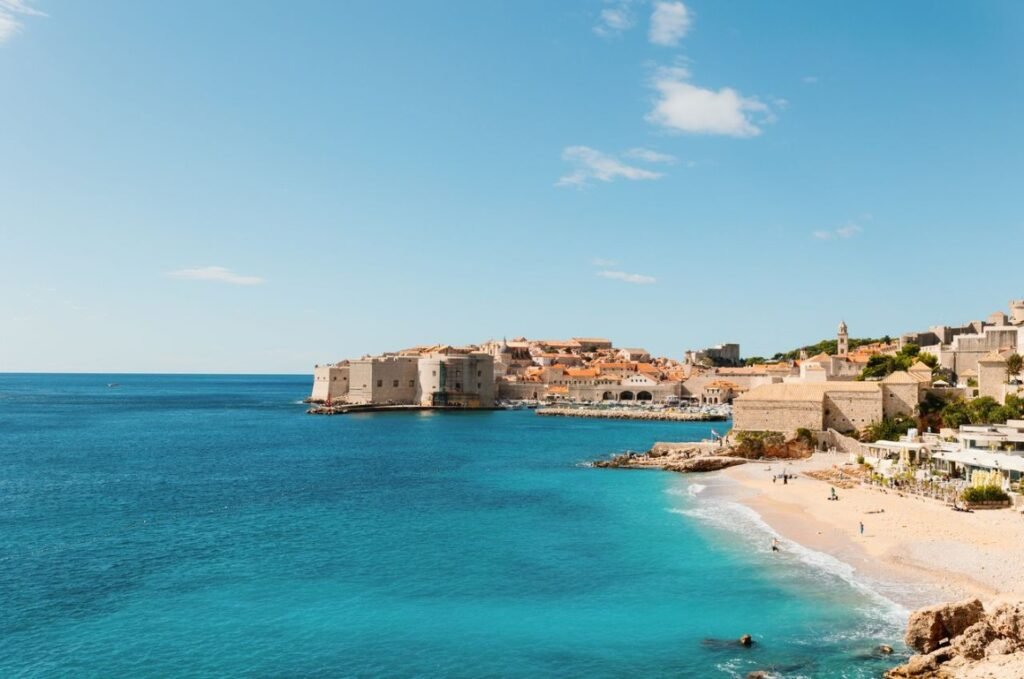
5. Banje Beach in Dubrovnik
Just outside Dubrovnik’s Old Town, Banje pairs a refreshing swim with postcard views of the city walls and Lokrum Island. It’s convenient, lively, and excellent for cooling off after sightseeing. The main challenge is deciding whether to admire the view or actually get in the water.
Dalmatia’s quieter towns reward travelers who trade packed promenades for unhurried walks and everyday scenes. On the island of Vis, Komiža gathers around a sheltered harbor where fishing remains part of the town’s identity. Stone houses rise close to the waterfront, and the fishing museum offers a window into the boats, tools, and customs that shaped local life. Watch the harbor early in the day, when boats return and residents begin their routines, then linger over freshly caught fish at a family-run konoba.
On Hvar, Stari Grad offers a different pace from the island’s better-known destinations. Its sheltered harbor and narrow lanes invite aimless exploration, past pale stone façades, quiet courtyards, and small churches. The town’s long history is visible in its layered architecture, while the nearby Stari Grad Plain preserves an ancient agricultural landscape of vineyards and dry-stone walls. A walk or cycle through the plain reveals how local traditions of growing grapes and olives remain connected to the surroundings. Leave time to sample regional produce rather than rushing between landmarks.
Across the channel on the Pelješac peninsula, Orebić combines maritime heritage with striking coastal views. Captains’ houses and other historic buildings recall the town’s seafaring past, while the waterfront looks across to Korčula. Stroll the promenade, explore the Maritime Museum, or follow a path toward the Franciscan monastery above town for broad views over the channel and nearby islands. Local seafood, peninsula wines, and seasonal produce offer an easy way to experience the region’s flavors after a day outdoors.
In each place, walking is the best way to notice details that can disappear from a quick visit: laundry moving above a lane, a café filling with neighbors, or a fisherman mending nets beside the water. Visit popular waterfronts in the morning or later in the evening, when the pace often softens, and consider traveling beyond peak season. These towns are not simply backdrops for photographs; their appeal lies in ordinary routines, distinctive histories, and landscapes woven into daily life. Give each stop enough time for a meal, a conversation, and an unplanned turn down a side street.
A quieter Dalmatian itinerary depends as much on timing as on destination. When conditions allow, consider travelling in the shoulder seasons, particularly late spring or early autumn, when many coastal towns and coves are less busy than in midsummer. Check typical weather, swimming conditions, and seasonal opening dates before choosing your travel window, as some services operate less frequently outside peak season. For popular beaches, begin the day early: arriving before the main rush can make parking easier and offer a calmer swim. Keep plans adaptable, too. Wind, heat, or local events may change what feels comfortable, so have an alternative town, beach, or activity in mind.
Choose a base that fits the places you most want to see rather than attempting to cover the entire coast from one location. Staying near a ferry port or along a useful bus route can reduce transfers, while an overnight stay on an island may make a short visit less rushed. Ferry and bus timetables can vary by season, and island schedules may change, so verify current information with operators or local tourism offices before setting out. Leave room between connections and avoid relying on the final service of the day when possible. Some remote beaches are not served by public transport and may require a rental car, a substantial hike, or access by boat. Confirm road conditions, trail access, and landing arrangements locally, and carry enough water for the journey.
Thoughtful travel also means helping protect the places that make Dalmatia distinctive. Spend where possible at locally owned cafés, shops, guesthouses, and tour businesses, and respect residents’ needs in small towns and historic centres. Fresh water can be limited, especially on islands during dry periods, so use it carefully and follow any local guidance. Stick to marked paths to reduce erosion and avoid disturbing plants or wildlife. At sea, observe marine life from a respectful distance; never touch, feed, or collect it. Take rubbish with you, including small items such as cigarette ends, and leave beaches and historic streets as you found them. These simple choices can help keep coastal communities welcoming and natural sites in good condition for residents and future visitors alike.
Plan Your Dalmatian Adventure in Advance

Frequently Asked Questions
What are some hidden gem destinations in Dalmatia?
Dalmatia is dotted with hidden gems that include Vis with its secluded bays, the charming town of Komiža, and the tranquil coves of the Pelješac Peninsula. These spots offer a more authentic Adriatic experience away from the typical tourist paths.
When is the best time to visit quieter areas in Dalmatia?
The shoulder seasons of late spring and early autumn are ideal for visiting quieter areas in Dalmatia. During these times, the weather remains pleasant, but the tourist crowds are considerably thinner, allowing for a more serene exploration of the region.
How can I access less crowded beaches in Dalmatia?
Many of Dalmatia’s less crowded beaches can be accessed by walking along coastal paths or taking a boat from more populated areas. It’s advisable to check local access information and be prepared with supplies as facilities might be limited.
What are some responsible travel practices for visiting Dalmatia?
Responsible travel practices in Dalmatia include carrying out all rubbish, respecting local customs and private properties, conserving water, and supporting local businesses. These practices ensure that the natural beauty and community life remain undisturbed for future visitors and residents alike.
Are there any transportation tips for visiting Dalmatia’s islands?
For visiting Dalmatia’s islands, it’s beneficial to stay near ferry ports or along bus routes to minimize travel time. Be sure to check seasonal ferry and bus schedules as they may vary and plan your travel to avoid the final service of the day whenever possible.
What should I pack for exploring Dalmatia’s coastline?
When exploring Dalmatia’s coastline, pack plenty of drinking water, sunscreen, comfortable walking shoes, and snacks. Facilities such as shops and toilets may not be available at quieter beaches, so preparation is key for a comfortable visit.
Why should I consider visiting small towns in Dalmatia?
Visiting small towns in Dalmatia allows you to experience local culture and history more intimately. These towns offer a glimpse into daily life with their ordinary routines, unique histories, and traditional landscapes, making them more than just backdrops for photos.
📅 Last updated: