
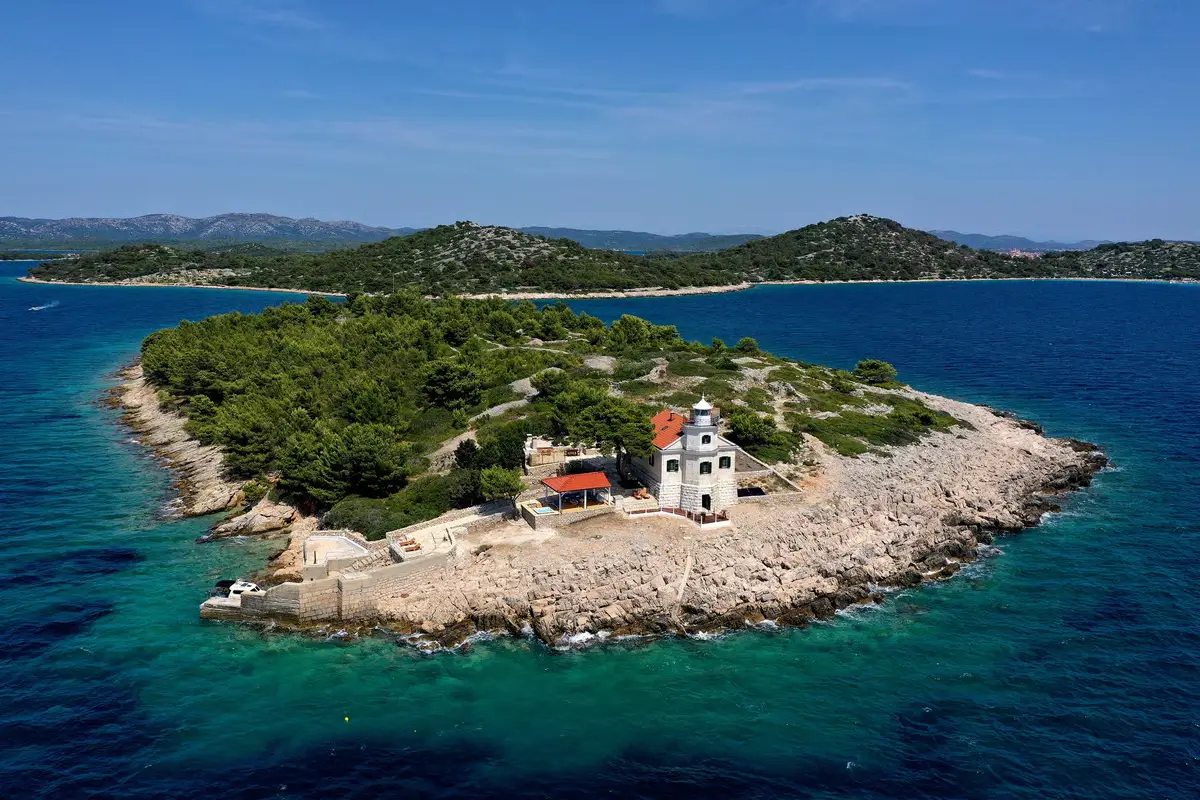
Booking a lighthouse stay on a Croatian island requires planning through specialist agencies, national park offices, or private keepers, since these remote properties often sell out by March. Not all lighthouses accept guests, as many remain active navigation stations or sit within protected zones; Kornati and Lastovo nature parks offer the most viable options, reachable by limited ferry service.
The booking process prioritizes ferry schedules before accommodations, followed by direct confirmation with keepers, deposits, and required tourist registration through eVisitor. Travelers should prepare for limited luggage transport, restricted water and power, minimal shopping options, and potential weather-related ferry cancellations affecting arrival and departure plans.
Booking a Lighthouse Stay on a Croatian Island
You can book a lighthouse stay on a Croatian island through a handful of specialist agencies, the national park offices, or directly with the few private keepers who run guesthouses. Most of these cottages sit on islands with fewer than a few hundred residents, so the booking process differs from a regular hotel reservation.
Start early. The best ones fill up by March.
I learned this the hard way during a spring recce trip to Vis and Palagruža-adjacent routes a few years back, when I spent two days calling ferry offices and keepers before finding a single open week. The island I wanted had one daily catamaran in shoulder season and two in July, and nobody was going to hold a bed for me on a whim. That experience shaped how I now advise clients from Zagreb and Graz who want the lighthouse experience without the logistics falling apart.
Which Lighthouses Actually Take Guests
Not every lighthouse in Croatia welcomes overnight visitors. Many are still active navigation stations managed by the Croatian Hydrographic Institute, and some sit inside military or protected zones. The ones that do rent rooms usually run them as small guesthouses, often on islands within the Kornati or Lastovo nature parks, where the national park authority controls who can stay and for how long.
Look at Kornati first if you want total seclusion. The park permits limited accommodation, and you reach the islands by boat from Murter or Biograd na Moru. Lastovo, further south, has more lighthouse options and a slightly easier ferry connection from Split.
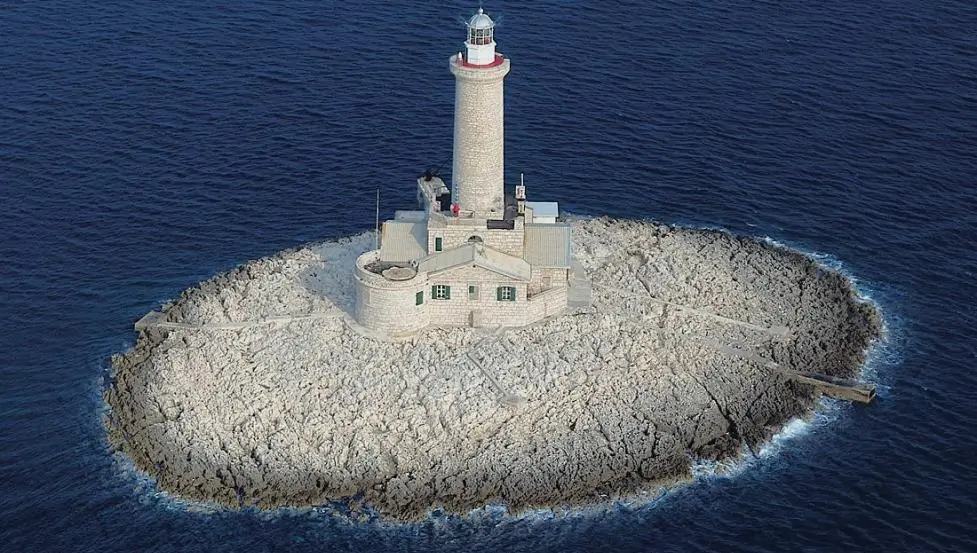
Some of the most-searched lighthouses are not guesthouses at all. Check before you build a plan around one. A stunning photo does not mean you can sleep there.
Step by Step: How I Book One for Clients
My process starts with dates, not properties. Ferry schedules dictate everything on an isolated island, so I pin down the departure and return boats before I look at beds. Croatian island lines like Jadrolinija run fewer sailings outside June through September, and a missed last boat can leave a guest stranded for a day.
Next I contact the keeper or agency directly and ask for written confirmation. Many lighthouse stays take deposits of 30 to 50 percent, with the balance due on arrival, though the exact split varies by operator. Pay by bank transfer where possible and keep the receipt, because cash-only arrangements on remote islands cause real trouble when you need proof of payment.
Then comes the paperwork. Foreign guests stay under the same rules as anywhere else in Croatia. Your host registers you with eVisitor, the national tourist registration system, and collects the boravišna taksa, the tourist tax, which is typically a few euros per person per night depending on the season and the municipality. Ask whether it is included in the quoted price, because it often is not.
Getting There and Staying Comfortable
Plan your luggage like a sailor. Most lighthouse islands have no car access, and you carry everything from the harbour. A single backpack beats a wheeled suitcase on a gravel path.
Water and power can be limited. Some keepers run on solar with a generator backup, and water may come from a cistern. Ask specifically about hot water, fridge access and mobile signal before you go. Bring a power bank.
Provisioning matters too. On a small island the nearest shop might be a konoba with a fixed menu and short hours. I always advise clients to arrive with several days of food, drinks and any medication they need, and to remember that a July weekend can drain a small island’s supplies faster than you expect.
Frequently Asked Questions
Can I drive to a lighthouse island?
Almost never. You reach them by ferry, water taxi or your own boat, and you leave the car at the mainland port. Some larger islands allow a car on the ferry, but the lighthouse itself will be a walk or a short boat ride away.
How far ahead should I reserve?
For July and August, reserve as early as January or February. For shoulder season in May, June or September, two to three months ahead is usually enough, though popular Kornati stays can sell out sooner.
Do I need a special permit to stay?
You do not need a separate permit as a tourist, but protected areas may require the park’s approval for landings and camping. Your host should handle the registration, and you should confirm that the stay is legal under the park rules.
Is a lighthouse stay suitable for children or older guests?
It depends on the island and the stairs. Many lighthouses have steep spiral staircases and uneven paths, while others are single-storey cottages near the shore. Ask for photos of the access route and the bedroom layout before booking.
What happens if the weather cancels the ferry?
Bora winds in winter and strong sirocco in autumn can halt sailings for a day or more. Build a buffer night into your plan on both ends of the trip, and ask your keeper whether they can extend your stay if you get delayed.