
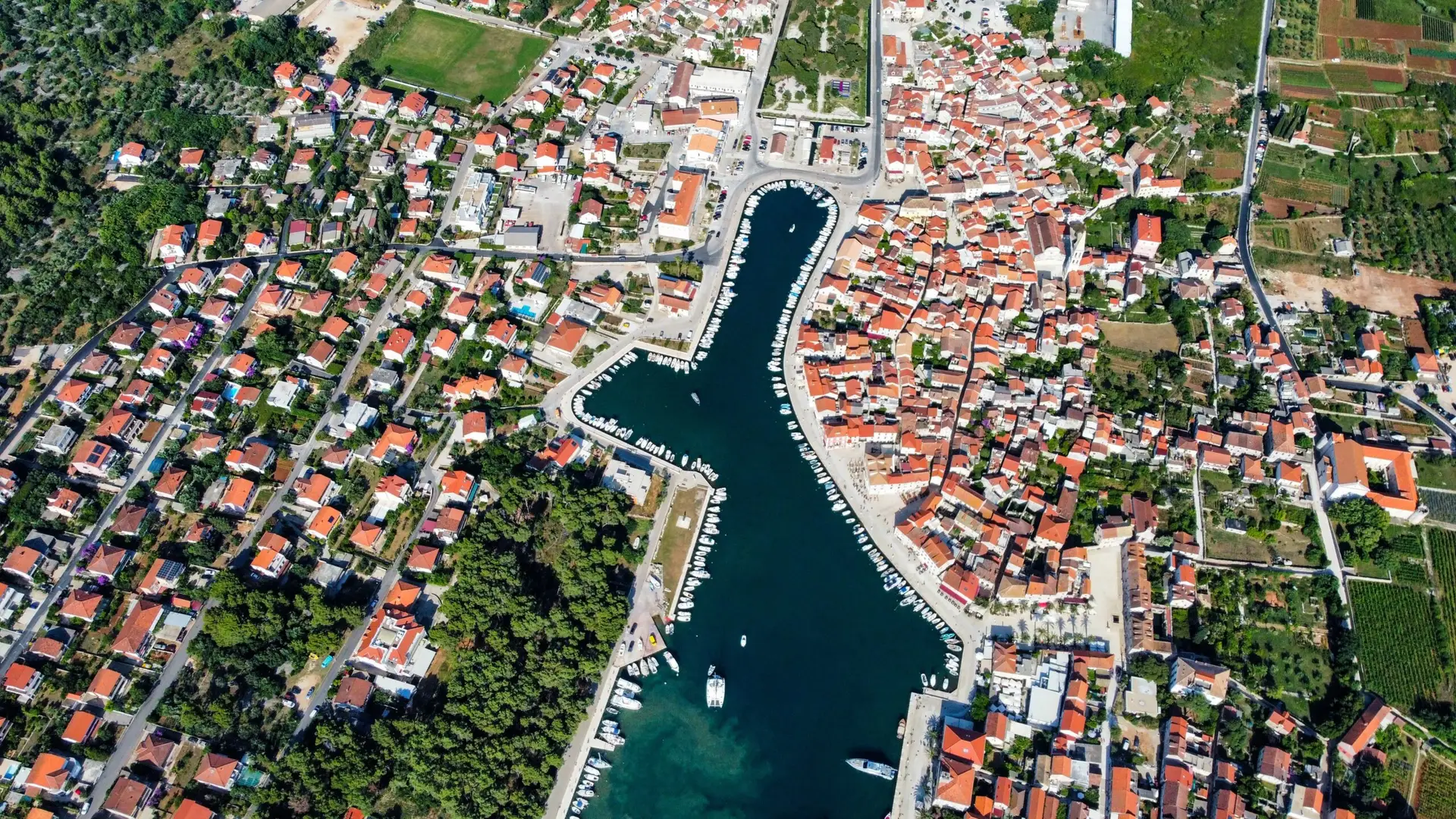
Croatia has over 1,200 islands, though most visitors only see a few. This guide profiles four standout destinations: Hvar for glamour and nightlife, Brač for beaches and family-friendly access from Split, Korčula for history and wine, and Vis for remote authenticity. Mljet and Pag are also briefly noted for nature and party scenes respectively.
The piece includes a comparison table of vibe, ideal visitors, and crowd levels, plus practical advice on ferry operators, accommodation types, seasonal pricing, and tourist tax. A FAQ section addresses first-time visitor recommendations, optimal travel timing, and island-hopping routes and logistics.
Croatia’s Islands at a Glance: Finding Your Perfect Match
Croatia has over 1,200 islands. Most visitors never see more than three. The real question isn’t whether Croatian islands are worth visiting — they obviously are — but which one actually fits what you’re looking for.
Party atmosphere, hidden coves, family-friendly beaches, authentic village life, or world-class sailing? Each island delivers something different. Here’s an honest breakdown of the best Croatian islands and exactly who each one suits.
The Best Croatian Islands and What Makes Each One Unique
Hvar – Style, Sun, and Social Energy
Hvar is Croatia’s most famous island, and the reputation is earned. The main town sits beneath a 13th-century fortress, with a waterfront riva lined with cafes, yachts, and old stone architecture. In peak season (July and August), it buzzes non-stop.
It gets more sunshine hours per year than almost anywhere in the Mediterranean. Lavender fields bloom across the interior. The beaches around Milna and Dubovica are genuinely spectacular.
But Hvar isn’t only about nightlife. Villages like Stari Grad — built by ancient Greeks over 2,400 years ago — offer a completely different pace. The Stari Grad Plain is a UNESCO World Heritage Site.
Best for: Couples, young travelers, yacht charter guests, and anyone who wants beauty plus social atmosphere.
Brač – Beaches, Hiking, and Local Life
Brač is the largest island in Dalmatia and home to Zlatni Rat — the most photographed beach in Croatia. That iconic pebble cape near Bol shifts shape with the current, which sounds like a tourist cliché until you actually see it.
Beyond Bol, Brač is rugged and authentic. Stone quarries near Pučišća have supplied limestone for Diocletian’s Palace in Split and even the White House in Washington. Local stone-carving is still alive here.
The island is well-connected to Split via regular ferries, making it realistic for a day trip — though staying longer rewards you with quieter inland villages and serious hiking routes above the coastline.
Best for: Families, active travelers, day-trippers from Split, and beach lovers.
Korčula – History, Wine, and Peaceful Atmosphere
Korčula Town is often called “Little Dubrovnik.” The medieval walled old town sits on a small peninsula jutting into the sea — compact, walkable, and genuinely beautiful without the overwhelming tourist pressure of Dubrovnik itself.
The island produces some of Croatia’s finest white wines. Pošip and Grk grapes grow in the interior, and local family wineries are easy to visit. Marco Polo is claimed — with some debate — to have been born here.
Korčula also connects well with the Pelješac Peninsula, making it ideal for wine-route road trips. The pace is slower, the crowds are thinner, and the food scene quietly excellent.
Best for: Culture seekers, wine lovers, couples wanting relaxation over nightlife, and repeat visitors to Croatia.
Vis – The Remote, Unspoiled Choice
Vis was a closed Yugoslav military base until 1989. That isolation preserved it. No mass tourism infrastructure was ever built, and locals clearly prefer keeping it that way.
The Blue Cave (Modra špilja) on nearby Biševo island draws day boats from across the Adriatic. The village of Komiža feels like the Croatia of thirty years ago. Vis Town has excellent restaurants and a sophisticated, low-key bar scene that attracts sailors and those in the know.
Getting there requires longer ferry rides from Split, which naturally filters the crowd. That’s exactly the point.
Best for: Experienced Adriatic travelers, sailors, those seeking genuine authenticity.
Quick Comparison: Which Island Fits You Best?
| Island | Vibe | Best For | Crowd Level (Peak) |
| Hvar | Glamorous, energetic | Couples, social travelers | Very High |
| Brač | Active, accessible | Families, beach lovers | High |
| Korčula | Historic, relaxed | Culture, wine, couples | Moderate |
| Vis | Authentic, remote | Sailors, repeat visitors | Low–Moderate |
Two other islands deserve mention. Mljet — almost entirely national park — is Croatia’s greenest island and deeply peaceful. Pag goes the opposite direction: famous for its moonscape limestone terrain, award-winning cheese (paški sir), and a summer party scene at Novalja that runs through August.
Practical Tips Before You Go
Ferry connections run from Split, Dubrovnik, and Zadar depending on your destination. JADROLINIJA is the main state operator; Krilo and TP Line run faster catamarans to Hvar, Vis, and Korčula. Book in advance during July and August — car ferries fill up fast.
Accommodation ranges from private rooms (sobe) with local families — still common and genuinely charming — to luxury boutique hotels. Prices spike sharply in peak season. Shoulder season (May–June and September) offers better value, smaller crowds, and sea temperatures still warm enough for swimming.
Tourist tax (turistička pristojba) is collected separately and varies by location and season — typically between €1 and €2.50 per person per night. Budget for it.
Frequently Asked Questions
Which Croatian island is best for first-time visitors?
Hvar and Brač are the most accessible and rewarding for first-timers. Both are easy to reach from Split, offer strong tourism infrastructure, and deliver the classic Dalmatian experience. Hvar suits those wanting atmosphere and style; Brač is better for families and beach-focused trips.
What is the best time of year to visit Croatian islands?
June and September offer the best balance of warm weather, calmer seas, and manageable crowds. July and August are peak season — busier, more expensive, but fully alive. May is excellent for hiking and exploring without summer heat.
Can you island-hop in Croatia easily?
Yes, island-hopping is very much part of how people travel here. The Split–Hvar–Korčula–Dubrovnik route is one of the most popular. Catamaran connections make this straightforward in summer, though timetables change seasonally — always check current JADROLINIJA and Krilo schedules before planning.