
Last Updated: October 27, 2026
Welcome to an insightful guide tailored for travelers planning a memorable escape to Krka National Park, located in Croatia’s enchanting Dalmatia region. This article is perfect for those seeking outdoor adventures amidst waterfalls and clear pools, ensuring a well-rounded exploration of this natural gem.
Krka National Park in central Dalmatia offers waterfalls, travertine cascades, and river scenery accessible as a day trip from Šibenik, Split, or Zadar. The guide describes its two main areas, Skradinski Buk and Roški Slap, noting their distinct characters and the logistical challenges of visiting both in a single day due to distance and transport connections.
The content provides practical planning advice, including choosing an entrance suited to one’s itinerary, verifying current ticket prices, boat schedules, and swimming regulations, and arriving early during peak summer months. It also covers packing recommendations, transport options, and park etiquette, emphasizing flexibility and checking official sources rather than assuming conditions from prior visits.
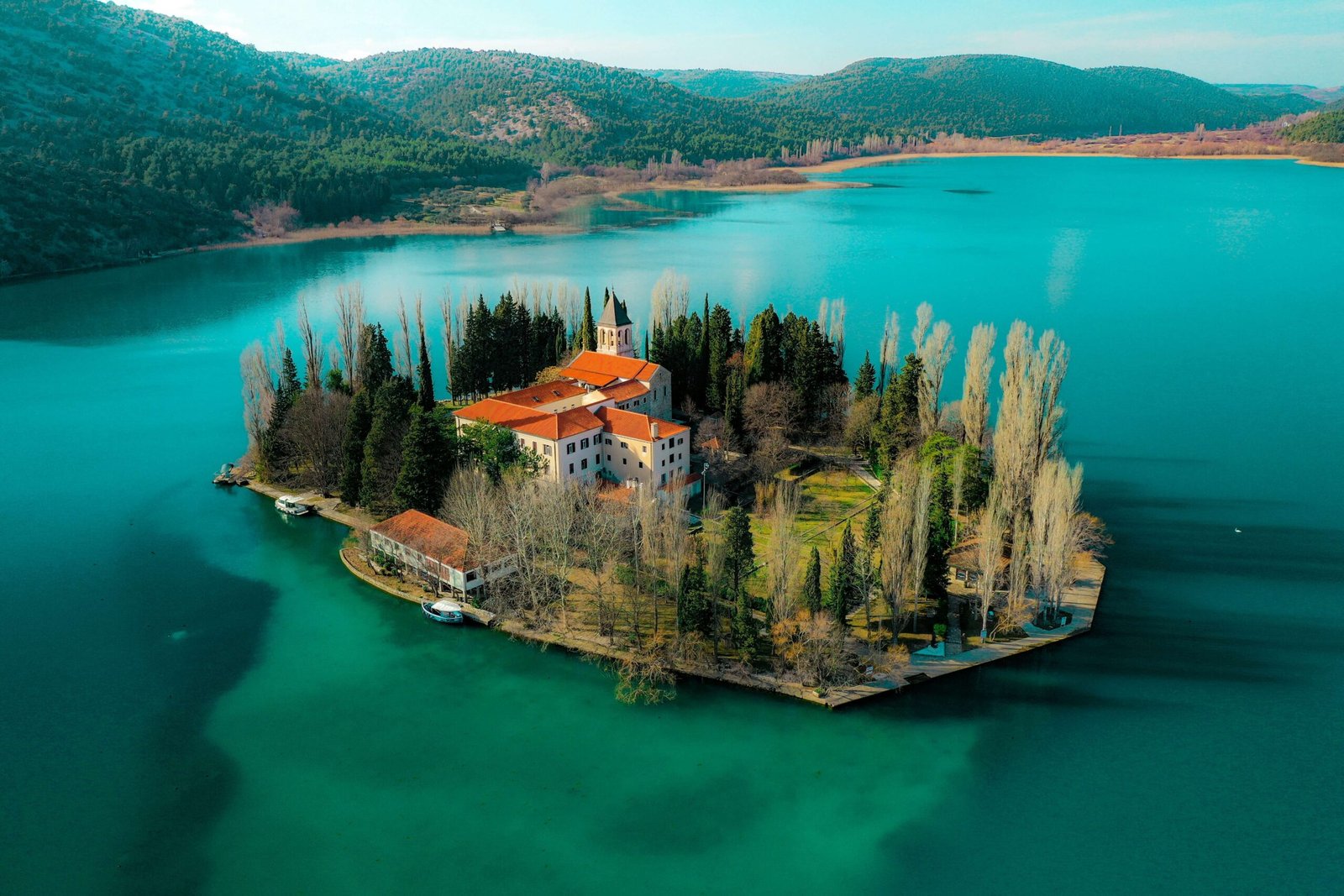
Set in central Dalmatia, Krka National Park offers a memorable escape from the Adriatic coast. Its river winds through limestone country, where water has shaped cascades, clear pools, and pale travertine barriers. The setting feels distinct from nearby towns: shaded woodland, rocky banks, and changing river views create a varied landscape within a protected natural area. For travelers staying in Šibenik, Split, Zadar, or smaller coastal communities, the park can make a rewarding day trip, combining striking scenery and time outdoors without requiring an overnight stay. The appeal is not limited to the best-known waterfalls; quieter stretches of river and forest also give the visit a sense of discovery.
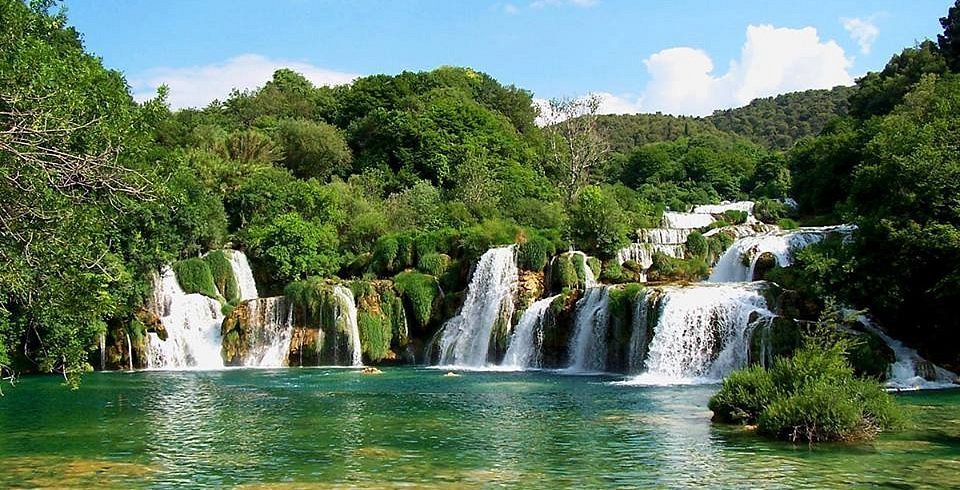
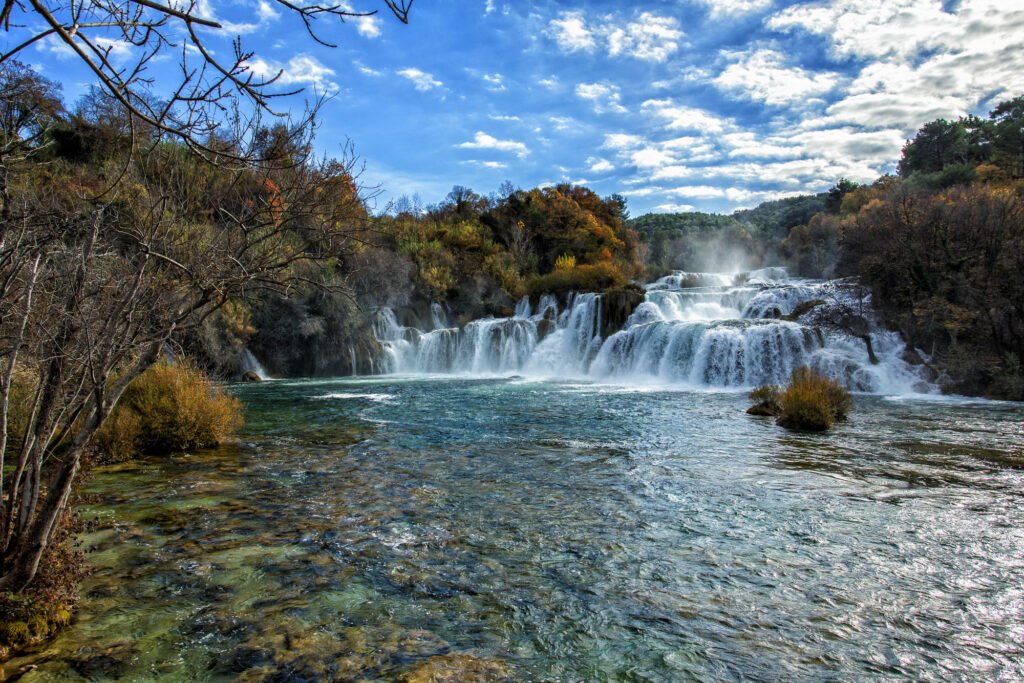
Waterfalls are the dramatic highlight, but Krka’s character comes from the contrast between rushing water and calm pools, open viewpoints and shaded paths. Travertine, formed over time as minerals settle from the water, helps create the park’s distinctive stepped cascades. Walking routes bring visitors close to these changing landscapes, while viewpoints offer broader perspectives on the river valley. Conditions and scenery can vary along the route, so even a focused visit can feel varied rather than repetitive. Comfortable walking shoes, water, and time for pauses make it easier to enjoy the paths at a manageable pace, especially during warm, busy months.
According to recent visitor statistics, Krka National Park welcomed over 1.2 million tourists in the past year, making it one of Croatia’s most visited natural attractions.
Planning matters because Krka is a large park, and its entrances are spread across different locations. Travel between sites can take time, so trying to see every waterfall and attraction in one day may leave little room to appreciate any of them. Choose an entrance and a route that suit your schedule, then treat other areas as options for another visit. Swimming rules may also change, and access to water is not guaranteed simply because pools appear inviting. Check current official park guidance before setting out, rather than assuming bathing beneath or near the waterfalls is permitted. With realistic expectations and a well-chosen itinerary, a day at Krka can balance the spectacle of its cascades with practical, unhurried exploration.
For a one-day visit, choose your main waterfall area before setting out. Skradinski Buk is Krka National Park’s best-known sight: a broad cascade framed by travertine formations, clear pools, and abundant vegetation. Boardwalks and walking paths wind through the landscape, offering changing views of the water and surrounding greenery. It is a rewarding place to explore at an unhurried pace, but its popularity means that paths and viewpoints can become crowded, particularly during busy periods.
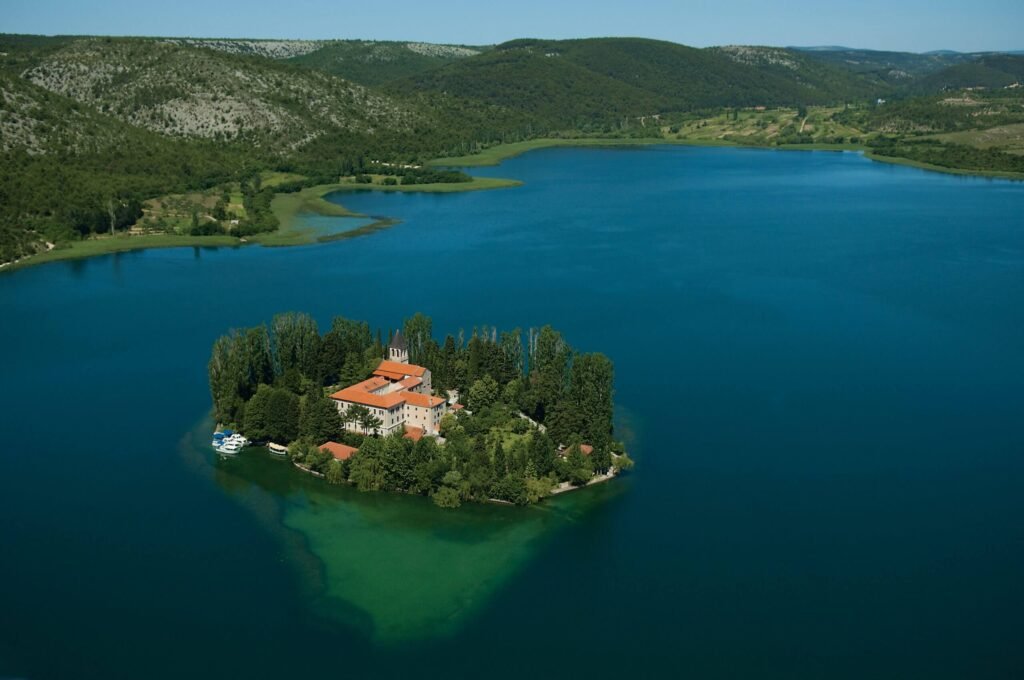
Roški Slap offers a distinct experience. Rather than focusing on one iconic waterfall setting, the area combines cascades, river scenery, and quieter-feeling routes, with cultural features nearby. It may suit visitors seeking a different perspective on the park or a less concentrated atmosphere. However, seeing both Roški Slap and Skradinski Buk in one day requires careful planning: distances, access arrangements, boat connections, and time available can affect whether the combination is practical.
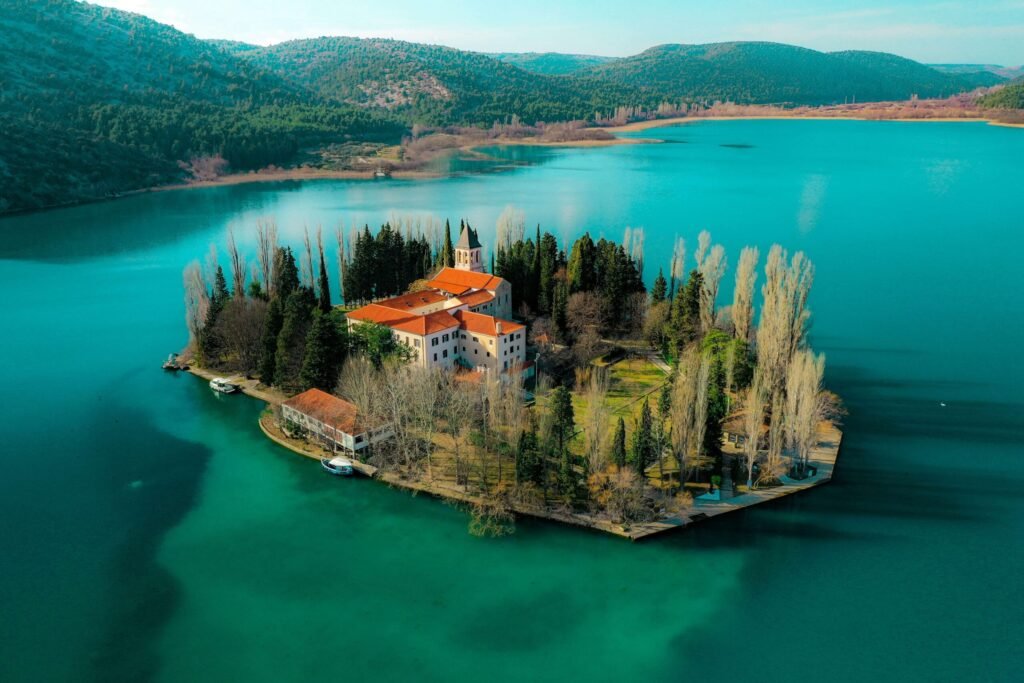
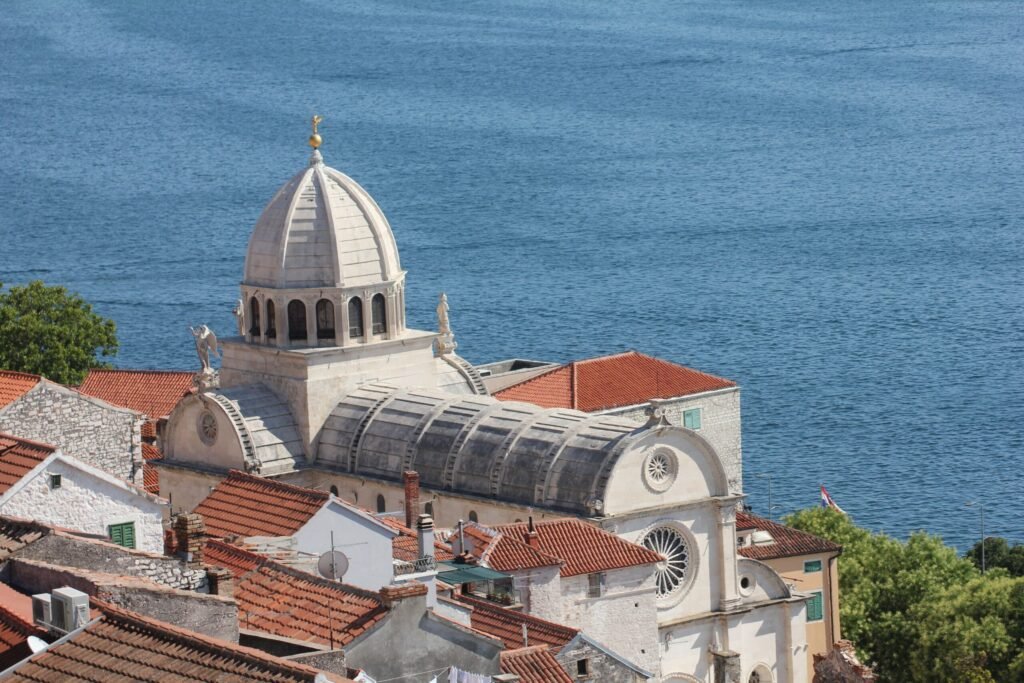
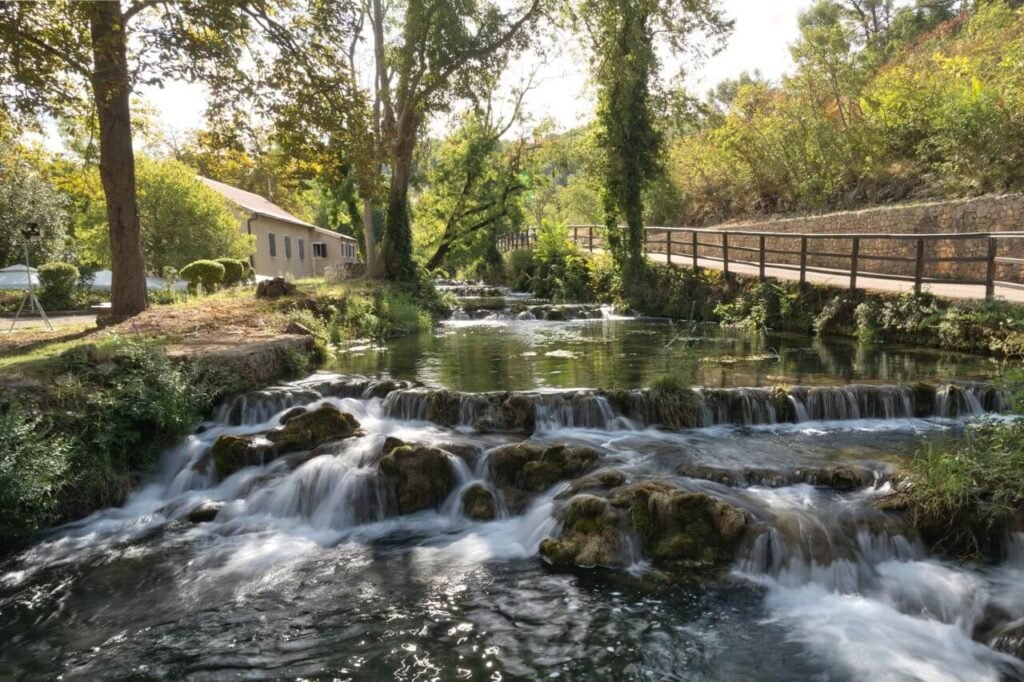
Before departure, check current park information for boat services, walking routes, entrance access, and seasonal operating schedules. These details can change through the year, so do not rely on a previous visit or an assumed connection when planning a tight itinerary.
A simple plan is to arrive early, then dedicate the first part of the day to one major waterfall area. At Skradinski Buk, leave time for the boardwalks, pools, and viewpoints rather than treating the waterfall as a brief stop. If Roški Slap is your priority, allow time to enjoy its river views and nearby features. Consider a second location only after confirming that transport and opening hours fit your schedule.
For a focused visit, Skradinski Buk generally suits first-time visitors and those who want the park’s signature scenery; its time commitment depends on walking pace and access. For a contrasting landscape and a potentially calmer outing, choose Roški Slap, allowing time for its routes and cultural points of interest. Combining both is best for visitors with flexible plans and verified connections, while a single-area visit is the more relaxed option when schedules are uncertain.
Krka National Park can be reached from coastal bases such as Šibenik, Split, or Zadar by car, organized excursion, or public transport paired with local connections. The most convenient option depends on where you are staying and which parts of the park you plan to visit. Bus routes and transfer options may vary by season, so check timetables before relying on public transport, and leave enough time for connections in either direction. A guided trip can simplify transport, while a car offers greater flexibility when visiting sites that are spread across the park.
Krka National Park has several entrances, making it possible to plan a visit around its waterfalls, walking trails and archaeological sites. Ticket prices vary by season, and transport options may have separate fees, so check the park’s official information before travelling.
Lozovac: The Main Entrance for Easy Access
Lozovac is a convenient starting point for visiting Skradinski buk, the park’s best-known waterfall area. In peak season, park buses usually connect the entrance with the waterfall trails; at quieter times, visitors may be able to walk down. The bus is generally included in the park ticket when it operates. This entrance suits visitors arriving by car, with parking available nearby.
Skradin: Scenic Boat Access to the Park
From the town of Skradin, visitors can reach Skradinski buk by boat when the seasonal service is running, or travel on foot where permitted. The boat ride is typically included with the relevant park admission during its operating period, but schedules and services change through the year. Skradin is a practical choice for visitors staying in town or arriving by boat.
Roški Slap and Other Unique Park Areas
The Roški slap entrance gives access to a different waterfall landscape, viewpoints and nearby trails. Burnum and the Puljane area provide access to archaeological remains and the park’s educational facilities. These entrances can be useful for a quieter or more focused visit, but opening hours and available services may differ from those at Lozovac and Skradin.
Indicative Ticket Prices and Discounts
As a general guide, adult admission has commonly been around €7 in the low season (November to March), €20 in spring and autumn, and €40 during July and August. Reduced rates are generally available for children aged 7–18, while children under 7 usually enter free. These are indicative seasonal prices, not a guarantee of current rates; discounts, family tickets and special access conditions may apply.
Before setting out, confirm the current price for your visit date and chosen entrance with Krka National Park. Check whether boat or bus services are operating, and allow time for travel between park locations—some entrances are several kilometres apart.
Choose your entrance to match your itinerary rather than assuming all entrances provide the same experience or access. Park sites can be separated by substantial distances, making a car or planned transfer useful if you hope to see more than one area in a day. Before setting out, consult official Krka National Park information for current entrance locations, parking arrangements, ticket prices, boat schedules, seasonal opening times, and any reservation requirements. Services and access can change throughout the year, and checking ahead helps prevent delays or an itinerary that does not fit the day’s schedule.
During peak summer, aim to arrive early to reduce the chance of long queues and to make better use of cooler morning hours. Build buffer time into your plans for traffic, parking, ticket lines, and transport connections. Wear comfortable walking shoes with good grip, and pack sun protection, drinking water, a light layer, and a small day bag. Bring food if that suits your plans, but check park rules before planning a picnic, since permitted locations and restrictions may apply. Carry a payment method suitable for tickets, parking, and local services, and confirm whether card or cash is preferred for any transport or purchases you expect to make. A little preparation makes it easier to focus on the waterfalls, trails, and scenery once you arrive.
Krka National Park is best enjoyed without trying to fit every viewpoint into a single hurried circuit. Allow time to pause, take in the landscape, and adjust your route as conditions change. Staying on marked paths protects fragile ground and helps keep visitors safe; follow signs and staff instructions, and do not approach, feed, or disturb wildlife. Leave plants, rocks, and other natural features where they are, and take all rubbish with you, including small items such as food wrappers.
Water levels, weather, summer heat, visitor numbers, and seasonal operations can all affect the experience. Build some flexibility into your plans rather than relying on a tightly timed itinerary, and check current park guidance before setting out. If transport or activities make the day feel rushed, consider allowing more time for a proper meal or an overnight stay in a nearby town such as Skradin or Šibenik. This can make the visit more comfortable without depending on any particular service or schedule.
Frequently Asked Questions
What makes Krka National Park a great day trip?
Krka National Park offers breathtaking waterfalls, clear pools, and unique landscapes, making it an ideal day-trip destination for nature lovers. Its proximity to towns like Šibenik, Split, and Zadar provides convenient access, allowing visitors to experience the beauty of Dalmatia without an overnight stay.
How should I prepare for a day at Krka National Park?
Preparation is key to enjoying your day at Krka National Park. Check the current park information for entrance access and schedules, pack comfortable walking shoes, water, sun protection, and a map, and be flexible with your itinerary to accommodate any changes in conditions or access.
Can I visit both Skradinski Buk and Roški Slap in one day?
Visiting both Skradinski Buk and Roški Slap in one day is possible but requires careful planning. Consider the distances, transport connections, and time available to ensure a relaxed experience without feeling rushed. Prioritize major sites based on your interests and verified access conditions.
Are there any specific rules or regulations I should be aware of?
Yes, visitors should stay on marked paths to protect the environment and respect wildlife. Follow all posted signs and park staff instructions, and check whether swimming is allowed in designated areas. Avoid littering and help preserve the natural beauty by bringing back any waste.
What are the recommended transport options for reaching the park?
Visitors can reach Krka National Park by car, organized excursion, or public transport depending on their starting location. Check bus schedules for public transport, as they may vary by season. A guided trip offers a convenient option, while a car provides more flexibility.
How do ticket prices vary throughout the year?
Ticket prices for Krka National Park vary seasonally, with higher costs during peak summer months and reduced rates in low season. Always confirm the current rates on the park’s official website before your visit to ensure you have the most accurate information.
📅 Last updated: