
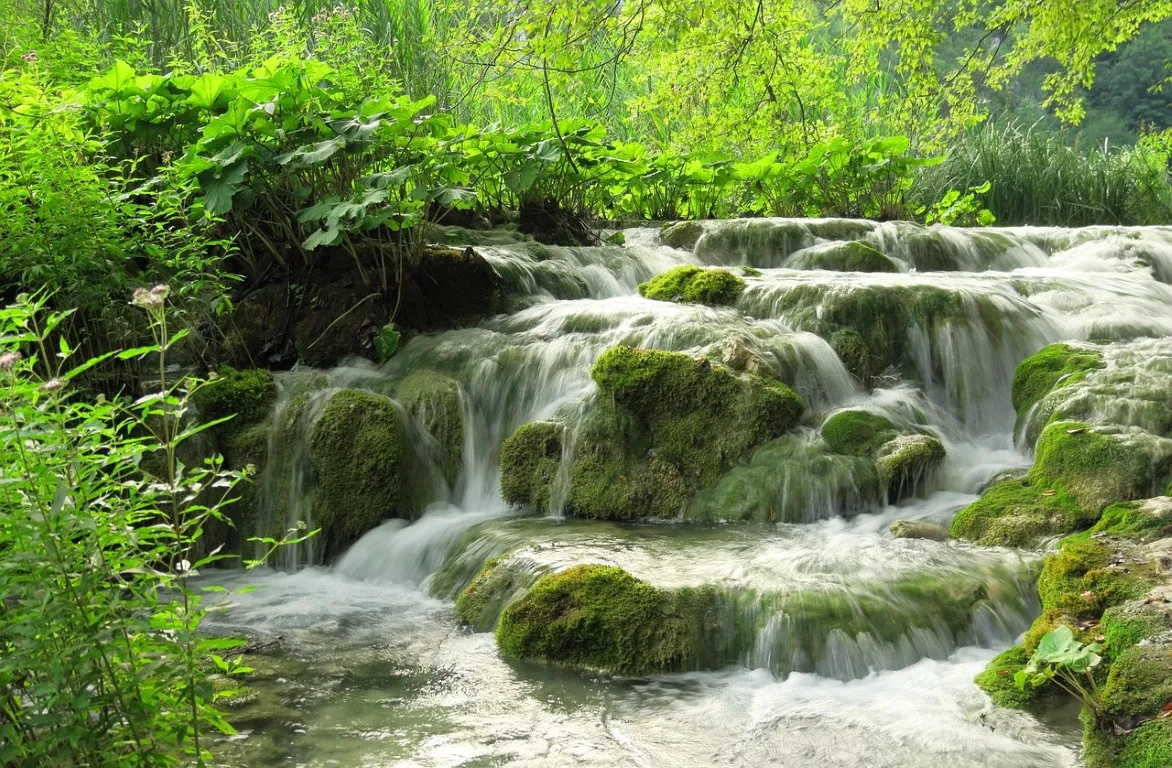
Plitvice Lakes and Krka National Park in Croatia offer distinct experiences for visitors choosing between the two. Plitvice is larger and wilder, featuring sixteen interconnected lakes, boardwalk trails of 6 to 8 kilometers, and a four to six hour visit, but does not permit swimming. Krka is more compact, located near the Dalmatian coast, and allows swimming near its tufa waterfalls, requiring only three to four hours.
Practical considerations include ticket booking, seasonal crowds, and travel distance, since the two parks are roughly 2.5 to 3 hours apart by car. Plitvice suits hikers and nature enthusiasts seeking a full-day inland excursion, while Krka better serves families and swimmers wanting a shorter visit from Šibenik, Trogir, or Split. Visiting both requires at least two full days with a car.
If you have time for only one of Croatia’s famous waterfall parks, pick Plitvice Lakes if you want dramatic, forest-lined lakes and long hikes, or Krka if you want easy swimming, relaxed walks and a shorter visit from the Dalmatian coast. Both are excellent. They just deliver very different days out.
Quick Answer: Which One Fits You Best?
Plitvice is the bigger, wilder experience. Krka is the easier, more compact one. Your choice depends on how much walking you want, whether you plan to swim, and where you are based.
- Choose Plitvice if you want cascading lakes, beech and fir forest, a full-day itinerary and a trip inland from the coast.
- Choose Krka if you want swimming at the base of waterfalls, a half-day visit and an easy trip from Šibenik, Trogir or Split.
- Do both only if you have at least two full days and a car. They are far apart, roughly 2.5 to 3 hours of driving between them.
Plitvice Lakes National Park: The Big, Wild One
Plitvice is Croatia’s oldest and largest national park, and it is a UNESCO World Heritage Site. Its sixteen interconnected lakes are formed by travertine barriers that grow slowly over time, and the water shifts colour from turquoise to emerald depending on light and season.
The main route is a boardwalk loop, and most visitors take the lower and upper lakes paths. Expect to walk 6 to 8 kilometres if you explore properly, with some steep sections and many stairs. Good shoes matter more here than anywhere else.
Practical Details for Plitvice
Entry tickets are timed and priced by season, and summer tickets sell out early in the day for peak hours. Buy online in advance if you are visiting between June and September. Parking is at the Entrance 1 area near Jezera, and the park runs its own electric shuttle boats across Kozjak Lake, which is part of the ticket experience.
Plan for at least four to six hours. Early morning is quieter, and autumn and spring offer fewer crowds and softer light.
Krka National Park: The Easy, Swimmable One
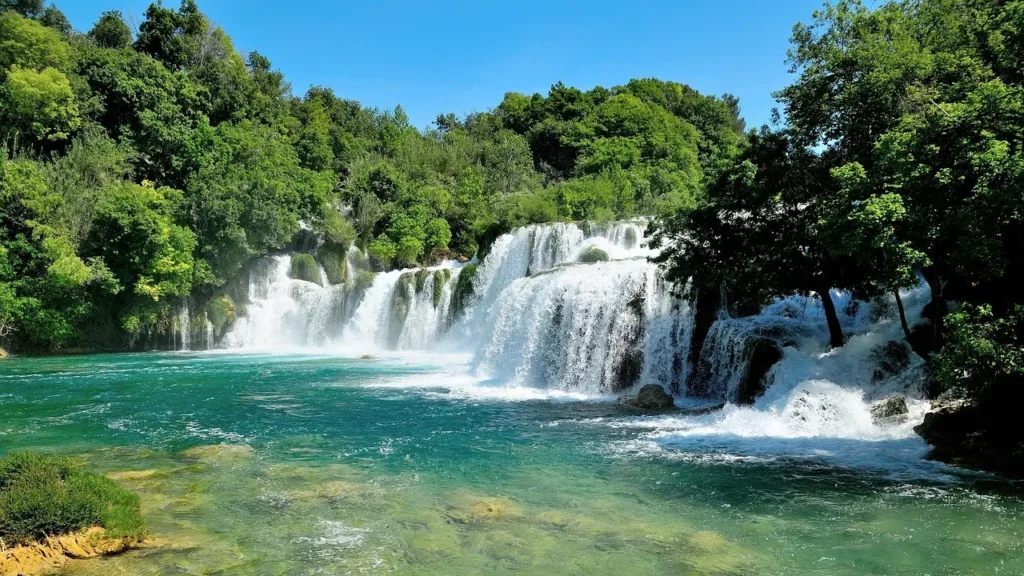
Krka is closer to the Adriatic and much more compact. Its main attraction is a series of tufa waterfalls, the most famous being Skradinski buk, where you can actually walk along wooden paths close to the water and, in designated areas, swim.
The park is laid out along the Krka River, and you can reach the main sights by foot in a few hours. The boat connection from Skradin to Skradinski buk, and onward to the Visovac monastery on an island in the lake, makes a very pleasant half-day.
Practical Details for Krka
Most visitors arrive from Šibenik or Skradin, roughly 15 to 20 minutes away by car, or by organised tour from Split and Trogir. The Skradin entrance is the most common starting point, and boats run regularly during the season. Swimming is permitted in certain zones, so check the park guidance before you go and bring a towel and water shoes.
Krka works well in a half day. If you arrive by mid-morning in summer, you will still find space at the waterfall viewpoints.
Plitvice vs Krka at a Glance
| Feature | Plitvice | Krka |
| Main attraction | Multi-level lakes and waterfalls | Tufa waterfalls and river |
| Swimming | Not permitted | Permitted in designated areas |
| Typical visit length | 4 to 6 hours | 3 to 4 hours |
| Walking effort | High, with stairs | Moderate |
| Access from coast | About 2 to 3 hours by car | About 20 minutes from Šibenik |
| Best for | Nature lovers and hikers | Families, swimmers and short stays |
When to Visit Each Park
Both parks are busiest from late June to August. Plitvice has the more dramatic off-season appeal, since the lakes look spectacular in autumn colours and in winter when some areas are quieter. Krka is lovely in late spring and early autumn, when the water is still refreshing but the crowds thin.
Booking tips: buy tickets online for both parks during high season, arrive early, and avoid midday tour bus peaks if you can.
Planning a visit to Croatia’s national parks? Plitvice Lakes and Krka both use seasonal entrance fees, with the highest prices generally applying during the busiest summer months. The comparison below summarizes indicative adult, one-day ticket prices in euros. Rates can change, so check each park’s official ticket information before travelling.
Peak season: June to September
Plitvice Lakes National Park: approximately €40 per adult. Krka National Park: approximately €40 per adult. Summer brings longer opening hours and popular waterfalls, but also the largest crowds. Buying tickets ahead may be advisable, particularly for Plitvice, where visitor numbers can be managed by timed entry.
Shoulder season: spring and October
Plitvice Lakes: approximately €23 per adult in April, May and October. Krka: approximately €20 per adult in April, May and October. These months can offer a useful balance of milder weather, reduced prices and fewer visitors than midsummer. Conditions and available facilities may vary, especially early in spring or late in autumn.
Off-season: November to March
Plitvice Lakes: approximately €10 per adult. Krka: approximately €7 per adult. Winter is typically the least expensive period, though some routes, boat services or park facilities may operate on reduced schedules or close because of weather. Check access details before setting out.
Which park offers better value?
A car gives you the most flexibility, especially for Plitvice. Krka can also be reached by bus or organised tour from Šibenik and Split.
At the indicative rates above, Krka is slightly less expensive in the shoulder and off-seasons, while peak-season adult entry is similar at both parks. The total cost may also depend on the ticket type, age of visitors, transport within the park and any additional activities. Children and students may qualify for reduced prices, subject to the parks’ current rules.
These figures are a guide rather than guaranteed 2026 prices. Confirm the date-specific fee, ticket conditions and opening information directly with Plitvice Lakes or Krka before your visit.
Frequently Asked Questions
Can I visit Plitvice and Krka in one day?
Technically yes, but it is exhausting and the drive is long. Choose one unless you are happy with a very full day.
Can you swim in Plitvice Lakes?
No, swimming is not permitted in Plitvice. Krka is the better choice if swimming is important to you.
Which park is better for families with children?
Krka is usually easier for families, thanks to shorter walks, boat rides and swimming options. Plitvice can work well for older children who enjoy hiking.
Do I need a car to visit these parks?
How much time should I allow for each park?
Plan four to six hours for Plitvice and three to four hours for Krka, excluding travel time from your base on the coast.
📅 Last updated: