
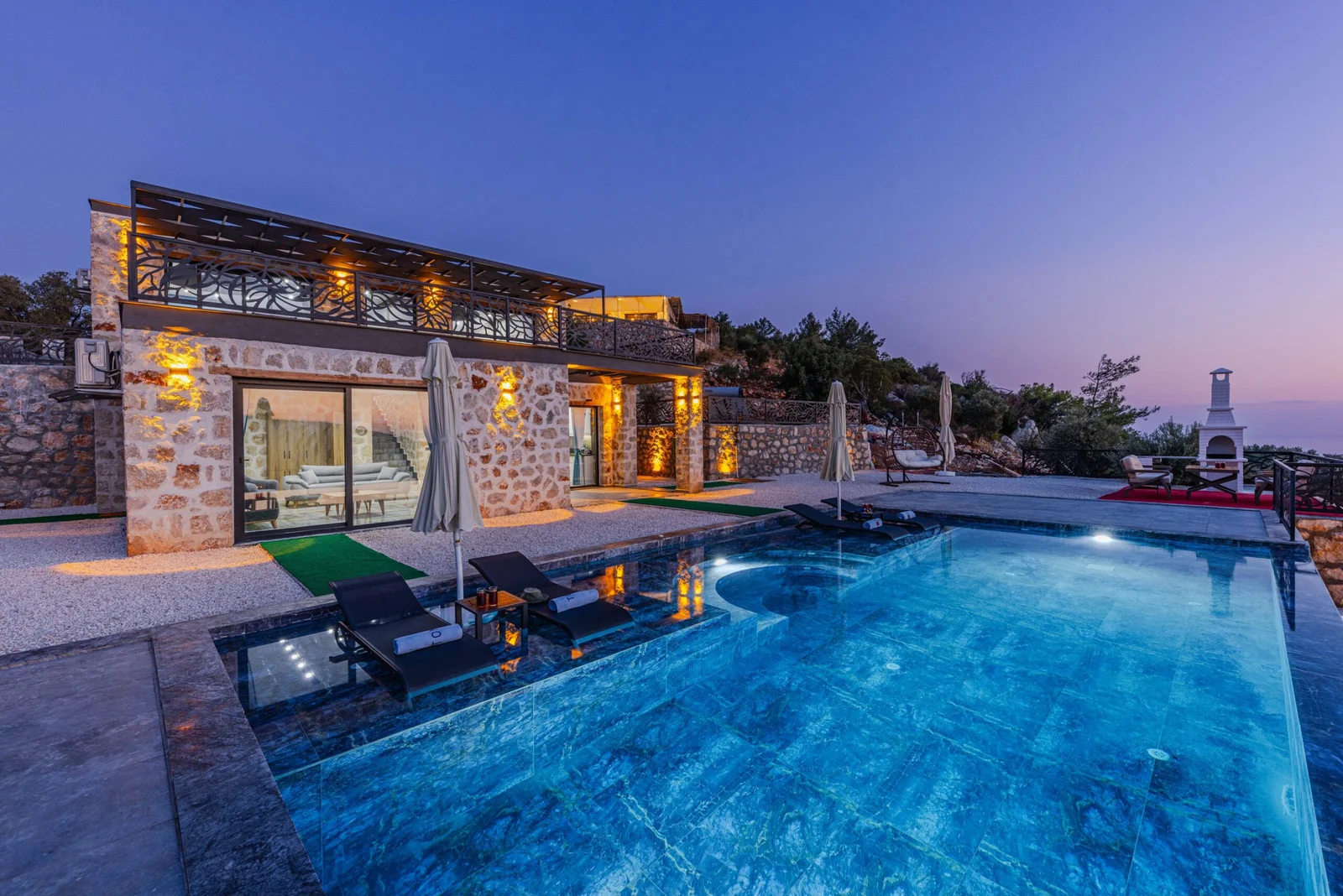
Istria and Dalmatia represent two distinct options for buying property on Croatia’s Adriatic coast. Istria offers stable year-round rental demand driven by Italian and Slovenian buyers, predictable resale value, and proximity to Italy and Slovenia, making it suitable for income-focused investors. Dalmatia, stretching from Zadar to Dubrovnik, offers greater price variation, island lifestyle appeal, and lower entry costs in select locations, but requires careful attention to seasonal income fluctuations and building permits.
The content also outlines Croatia’s legal purchasing framework, including requirements for an OIB identification number, land registry verification, building and occupancy permits, and reciprocity approval for non-EU buyers. It covers additional considerations such as transfer taxes (5-6% total), tourist tax registration for short-term rentals, and restrictions on agricultural land purchases, concluding that buyer priorities—income stability versus lifestyle and character—should guide the regional choice.
Short answer: Istria is the better choice if you want a stable rental market, strong Italian and Slovenian buyer demand, and a more predictable resale value. Dalmatia suits buyers who prioritize sea views, island lifestyle, and lower entry prices in certain micro-locations, but it demands more careful due diligence on building permits and seasonal income.
Both regions sit on the Adriatic, both attract foreign buyers, and both are governed by the same national rules. The differences lie in the local market, the type of property available, and how the property performs after purchase.
How the Two Markets Differ
Istria, the peninsula in the northwest, has spent decades building a reputation as the “Tuscany of Croatia.” Its towns, such as Rovinj, Poreč, Pula, and Opatija, attract steady visitors year-round, and its proximity to Italy and Slovenia keeps demand high.
Dalmatia stretches down the coast from Zadar to Dubrovnik, covering hundreds of islands. Prices vary dramatically between a quiet village on Pag and a central apartment in Split. The region rewards buyers who know exactly which micro-location they want.
| Factor | Istria | Dalmatia |
| Typical entry price (per m²) | Higher on the coast, moderate inland | Wide range, often lower outside Split |
| Buyer base | Italian, Slovenian, German, Austrian | German, British, Czech, domestic |
| Season length | Long, with strong shoulder months | Concentrated in summer, sharp off-season drop |
| Rental predictability | High | Variable, depends on location |
| Best for | Stable income, resale, family use | Lifestyle, island living, lower entry on select sites |
Istria: Stability and Proximity
The peninsula benefits from its position. Driving from Trieste or Venice takes hours rather than a flight and a transfer. That short distance keeps the region busy in the spring and autumn, which is where many owners make their margins.
Inland Istria offers older stone houses, often called kuća or kamena kuća, at prices well below the coast. Many of these need renovation and a building permit, so budget for paperwork as well as construction.
Dalmatia: Range and Opportunity
Split and Zadar have strong year-round rental demand, particularly for apartments close to the old town. Further south, Dubrovnik is among the most expensive cities in the country, while towns such as Makarska or Trogir offer a more balanced mix.
Islands like Brač, Hvar, and Korčula attract buyers seeking a more exclusive setting, but access by ferry can limit the rental season and increase logistics costs.
The Legal Checklist Before You Buy
Whichever region you choose, the process follows the same national framework. Foreign nationals from EU member states can buy property in Croatia without restriction. Buyers from outside the EU need reciprocity confirmation from the Ministry of Justice, and this can add weeks to the timeline, so start early.
- OIB: Obtain your personal identification number (osobni identifikacijski broj) before signing anything. You cannot complete the purchase without it.
- Land registry check: Verify ownership and encumbrances at the local land registry (zemljišnoknjižni odjel) of the municipal court.
- Uknjižba: The registration of ownership in the land registry is the final legal step. Do not treat payment as completion until the entry is made.
- Building permit and use permit: Check whether the property has a valid building permit and an occupancy permit (uporabna dozvola). Unpermitted extensions are common in older coastal homes and can block sale or insurance claims.
- Coastal concession: Properties close to the sea may be subject to maritime domain rules. Confirm whether any jetty, boathouse, or beach access is under concession rather than full ownership.
- Notary and fees: Transfer tax is typically around 3 percent of the purchase price, and notary and registration costs add to that. Budget roughly 5 to 6 percent in total.
Tourist Tax and Rental Registration
If you plan to rent short-term, you must register the property as a tourist accommodation with the local tourist board and pay the local tourist tax. Rules differ between municipalities, and some coastal towns have tightened controls on apartments in historic centers. Confirm zoning before you commit to a rental-based investment.
Agricultural Land and OPG Status
If your purchase includes agricultural land, non-residents may face restrictions. Owning a family farm (OPG) requires specific registration, and the land may need to be used for agriculture. Check the land category in the cadastre before assuming you can build.
Choosing Based on Your Goal
If your priority is income and resale, Istria offers a more reliable path. The steady flow of Italian and Slovenian visitors and the year-round demand in towns like Rovinj and Poreč make it easier to forecast returns.
If your priority is a holiday home with strong character and a wide choice of price points, Dalmatia gives you more to work with. Just accept that the off-season is quiet, and that island logistics add cost.
Many experienced buyers split the difference. They buy a practical apartment on the Istrian coast for rental and keep a stone house on a Dalmatian island for personal use. This spreads both risk and lifestyle benefit.
Frequently Asked Questions
Can foreigners buy property in both Istria and Dalmatia?
Yes. EU citizens can buy without restriction in either region. Non-EU buyers need reciprocity approval from the Ministry of Justice before completing the purchase.
Which region has higher rental returns?
Returns depend on the specific property. Istria generally offers more stable year-round occupancy, while top Dalmatian locations like Dubrovnik or central Split can deliver higher peak-season rates.
How much does buying property in Croatia cost beyond the price?
Plan for roughly 5 to 6 percent of the purchase price in transfer tax, notary, and registration fees. Add renovation and permit costs if the property needs work.
Is an old stone house a good investment?
It can be, particularly inland in Istria or Dalmatia, but only if the building permit situation is clear and the renovation budget is realistic. Get a structural survey before buying.
Do I need a Croatian bank account to buy property?
You will need a local bank account for payments and for paying ongoing costs such as utilities and municipal fees. Many buyers open one before completing the purchase to simplify the process.